

4 Minutes
Remember when folding a smartphone felt like a small miracle? For several years, the tech press could barely stop talking about flexible screens: prototypes turned into polished products, and manufacturers raced to show off the most elegant hinge or the thinnest crease. Then 2025 arrived and the momentum slowed. Fast.
Data from industry trackers points to a softening that caught more than a few analysts off guard. Counterpoint Research reported an expected drop of roughly 4% in foldable display panel shipments for 2025, following an already muted year in 2024. Numbers like that don’t come from thin air. They reflect fewer models released, quieter marketing calendars and, in some regions, customers who paused before committing.

So what really changed? Part of it is maturity. Early adopters bought in and manufacturers learned how to build reliable folds. Another part is the market deciding value: for many buyers a traditional slab still delivers everything they need at a lower price and with fewer unknowns. The result is foldables sitting comfortably as a niche that punches above its weight in headlines, but not yet in global sales charts.
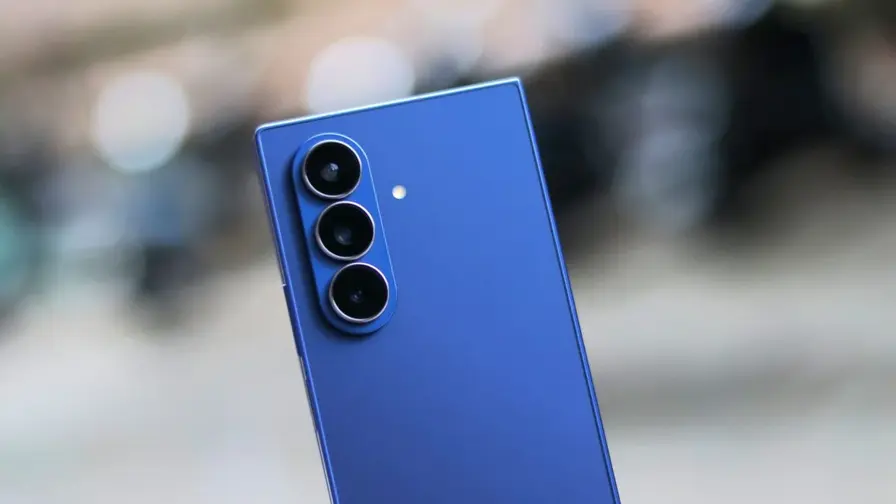
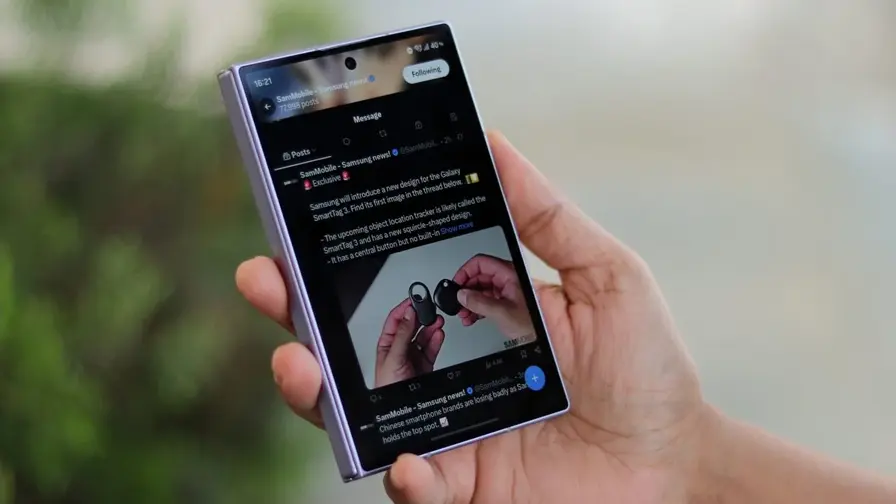
Even within that niche there are clear fault lines. Samsung, long the flagship name in foldables, saw a slump in sales despite launching the Galaxy Z Fold 7 and Z Flip 7. Foldables still represent only a sliver of worldwide smartphone transactions — roughly 1.5% by some estimates — which means over 98% of phones sold remain classic, flat designs. Attention-grabbing as the devices are, they haven’t moved the needle on mass-market share yet.
It wasn’t a uniform decline everywhere. China told a different story: foldable shipments expanded significantly there in 2025, with growth north of 30% driven by local brands including Huawei. Regional pockets of demand like this show the category isn’t dead — far from it — but they also underline that momentum can be very localized. A strong year in China won’t necessarily translate into the same result in Europe or North America.

There’s also a stubborn consumer checklist that hasn’t been fully checked: price, durability and a clear, repeatable advantage over a conventional phone. Repairs still worry buyers. Premium pricing keeps many customers at the sidelines. And for everyday use, foldables still need to demonstrate consistent, everyday wins for multitasking, media or productivity that a normal phone can’t easily match.

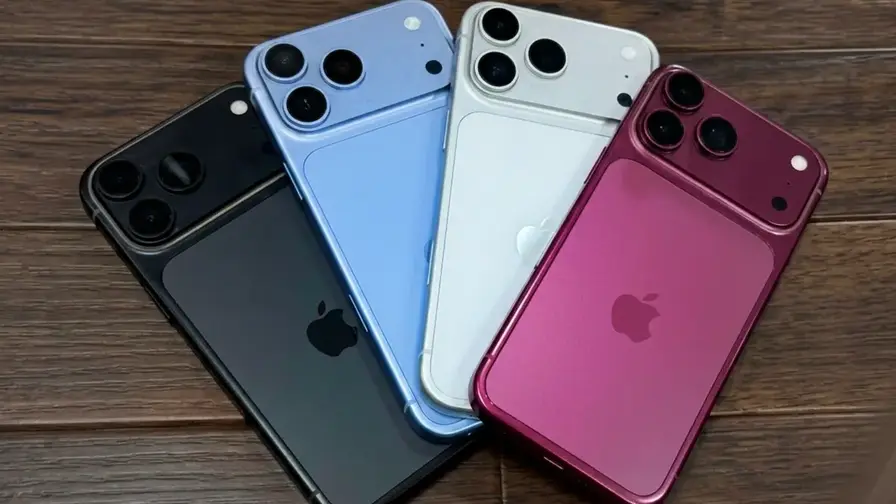
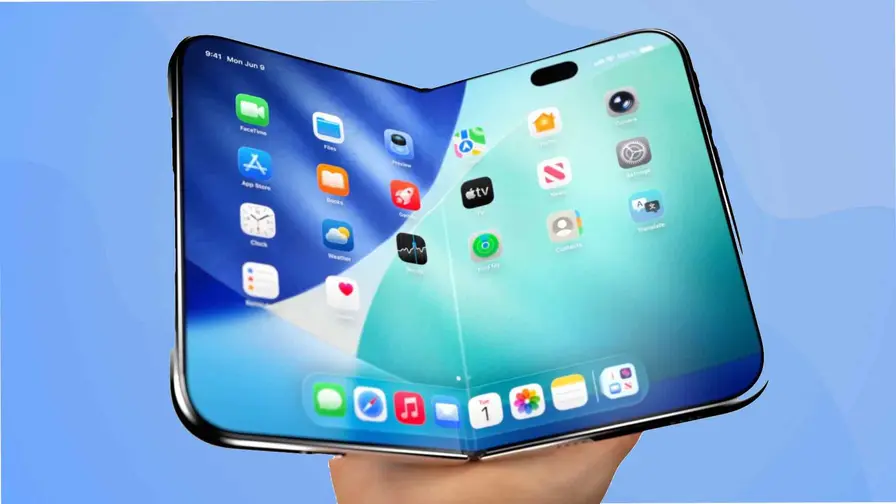
Apple’s rumored foldable iPhone in the back half of 2026 is the wildcard here. If true, Apple entering the ring would do more than add another model. It could validate the form factor for mainstream buyers who wait for Apple to set the standard. Apple’s product ecosystem has a history of turning niche hardware into widely accepted categories — and that potential alone could lift display shipments and renewed marketing interest across the supply chain.
Does that mean 2026 will be the year foldables go mainstream? Not automatically. To make the leap the category needs a few practical shifts. Prices have to get closer to high-end flat phones. Longevity must improve until foldable repairs feel routine and affordable. Developers and manufacturers must identify everyday workflows where unfolding or multitasking is tangibly better, not just novel. If those boxes are ticked, the market could move from curiosity to consistency.
Expect a bumpy ride. Even with Apple’s possible arrival, adoption will be uneven by region and by use case. Some buyers will be swayed by status and novelty. Others will wait for aggressive price cuts or carrier incentives. And brands that flooded the market early may continue consolidating their efforts around fewer, stronger models.
So, did foldables fail? Not quite. They stalled, recalibrated and now await a fresh catalyst. Whether that catalyst comes from a Cupertino reveal, cheaper components, or a hit use-case that suddenly makes folding indispensable, 2026 looks set to be the year we finally find out.







Leave a Comment
Comments (2)
Nice tech but pricey and fragile. I still want one tho, for multitasking, but repairs scare me. if Apple ships a clean fold, maybe
Foldables grew fast, then stalled? hmm. China boom vs global slump, why so fragmented, and will Apple really flip the script? feels iffy