
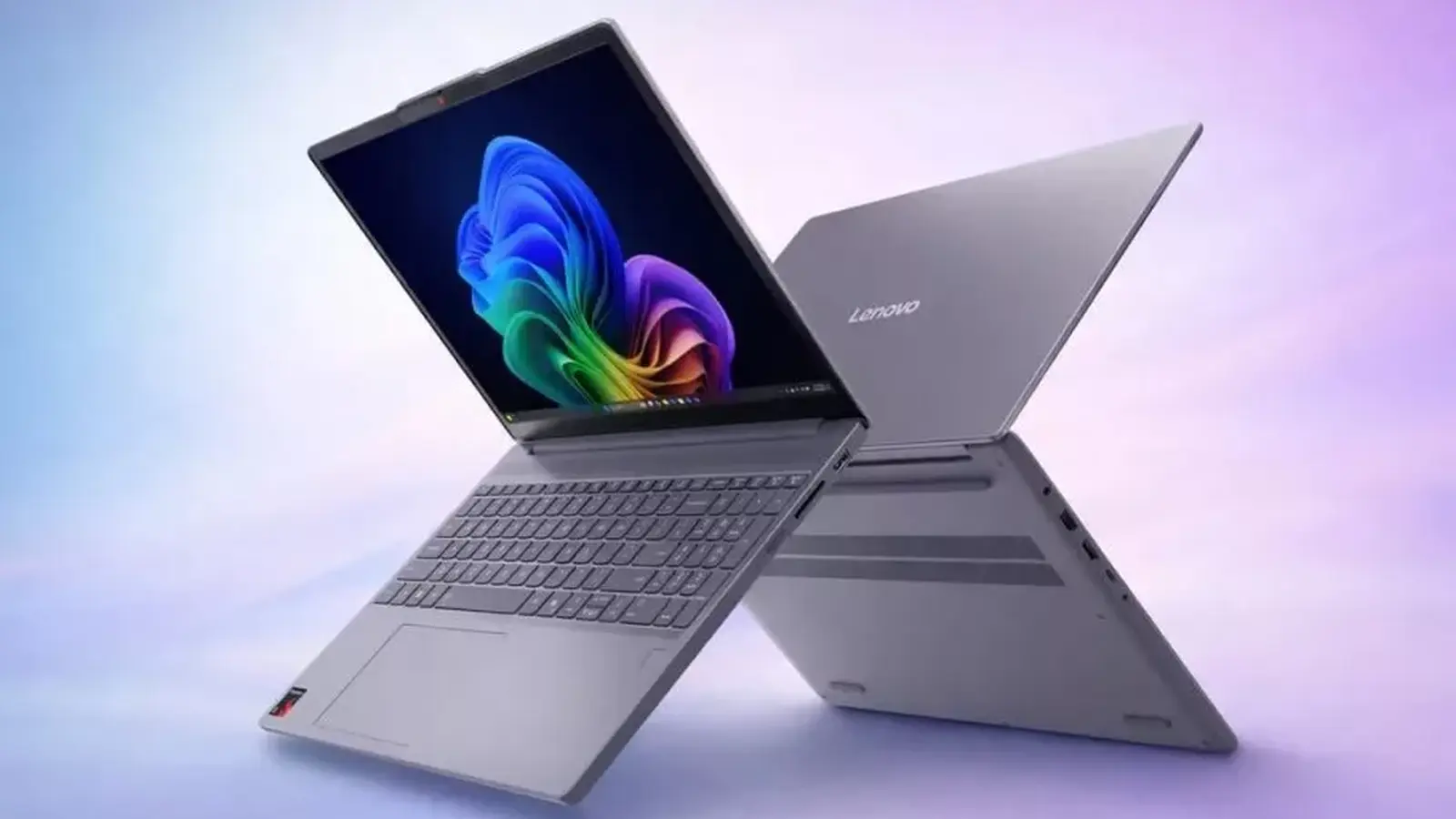
Lenovo has quietly bumped up prices in several markets and issued a stark warning: the squeeze on memory chips isn't easing anytime soon. The company, a titan of personal computing, says higher component costs are putting sustained pressure on PC margins.
Manufacturers of DRAM and NAND flash have shifted supply toward high-margin customers — think AI servers and hyperscale data centers — leaving laptop and desktop makers scrambling for the leftovers. The result is a thinner pool of standard memory modules and SSDs for consumer devices, and steeper prices where inventory exists.
Surprising sales numbers have masked the underlying fragility. Bloomberg reported that recent demand at Lenovo outpaced forecasts, but executives argue this spike is more panic buying than a market recovery. Consumers are rushing to buy now, fearing even higher costs next quarter. Temporary. Frantic. Not exactly market health.
Intel's CEO has echoed the sentiment: this memory shortage is likely to linger. That adds another layer of uncertainty for PC makers who must balance production continuity with ballooning part costs. So what do companies do when the parts they need become scarce?

Lenovo's answer has been pragmatic. The company is hoarding inventory — buying and storing extra memory and SSDs to keep assembly lines running. It’s a belt-and-suspenders move that protects shipments in the near term, but it also feeds the market tightness by locking up supplies.
Analysts expect these constraints to persist into 2026. If that forecast holds, seasonal discounts and routine promotions on laptops could dwindle as brands face less room to cut prices. Consumers should brace for elevated SSD and RAM prices and for fewer bargain windows than in past years.
For shoppers, the landscape is simple: if an upgrade is urgent, now may be the moment to act. For businesses, the calculus is more complex — secure supply, or risk production delays. Either way, memory bottlenecks have reintroduced scarcity into a market that had grown used to abundance.
Keep an eye on inventory signals and vendor notices; they’ll tell you more about where this story goes than any short-term sales spike.


Leave a Comment
Comments
No comments yet. Be the first.