
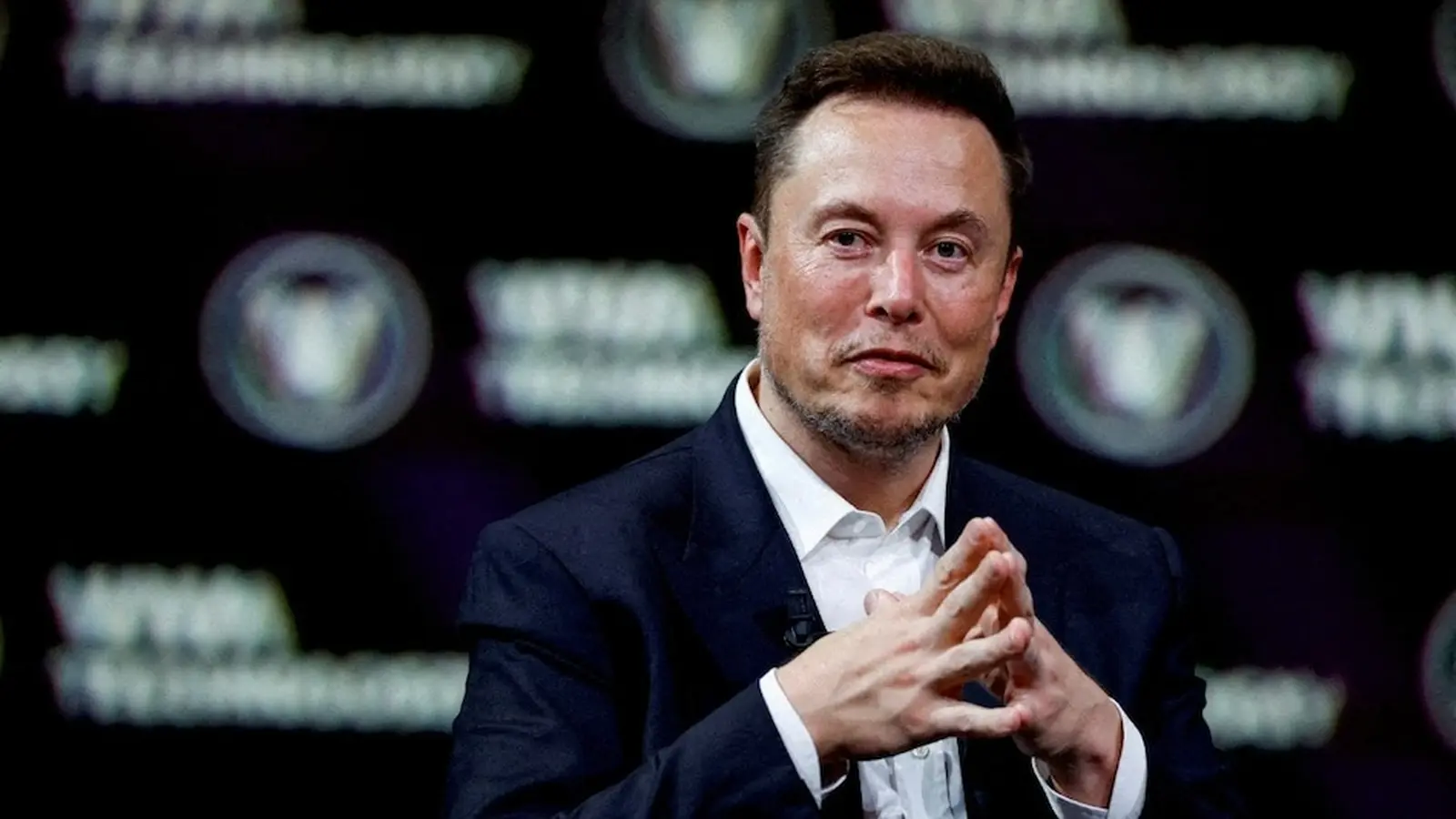
Elon Musk at the summit. It reads like a headline, and for Forbes’ new list of 250 American innovators, that is exactly where he landed.
Elon Musk tops Forbes' 250 Greatest American Innovators list.
To mark the United States’ 250th anniversary, Forbes assembled a roster of people whose ideas didn’t just stay on napkins or in lab notebooks; they became products, services and entire industries. This list isn’t a hall of lone inventors. It’s a cross-section of founders, executives, creative leaders and cultural figures whose work shifted how we live, spend and think.
The process began the old-fashioned way: editors asked reporters across the magazine to nominate names. Nearly a thousand recommendations followed. Then a panel of investors, innovation specialists and journalists weighed in, scoring candidates against human-centered criteria — originality, scope of impact, how radically they transformed their domain and measurable economic effect.
AI tools joined the conversation. ChatGPT and Gemini were used as research aides — not as judges — helping the panel probe context, timelines and ripple effects. Think of them as high-speed research assistants that highlighted patterns the human reviewers wanted to investigate more deeply. The final call remained human. Machines provided evidence; people made the judgement.
What stands out beyond the familiar roster of tech titans is the list’s demographic shift. More than one-third of those named are women or people of color, a marked change from earlier rankings. And many of the most influential figures were born outside the U.S., underscoring that American innovation has long been a global collaboration.
Names on the list read like a who’s who of recent modern history: Jeff Bezos, Bill Gates, Jensen Huang, Sam Altman, Larry Page, Steven Spielberg, Mark Zuckerberg and Jack Dorsey. Some are celebrated for launching transformative platforms. Others for steering massive cultural or industrial pivots. In every case the pattern is the same: an idea landed, and then it scaled.
Why does that scaling matter? Because originality without reach is noise. Forbes aimed to honor people whose inventions or leadership created new business models, new markets or clear economic consequences — the kind of outcomes that reverberate across sectors and often reshape public expectations.
There’s also a narrative lesson here about innovation itself. It’s messy. It’s collaborative. It borrows from research labs, venture capital, entertainment and government policy. Being called an innovator today often means being fluent in more than one ecosystem: product design, storytelling, distribution and capital formation.
One practical takeaway is about measurement. The judges relied on both qualitative judgement and quantifiable indicators — market size affected, revenue created, user adoption, and cultural footprint. That hybrid approach is telling. It suggests the future of ranking influence will blend data and discernment rather than rely on either alone.
Lists like this provoke predictable debates. Who got left out? Which breakthroughs matter most? Those are fair questions. But the larger point is harder to argue with: innovation rarely exists in isolation. It needs systems that amplify it — investors willing to bet, teams willing to execute, regulators willing to adapt, and audiences willing to switch behaviors.
For readers watching technology and culture collide, the Forbes list is a useful snapshot. It shows where influence is concentrated today and hints at the fault lines where tomorrow’s leaders will emerge. Who will claim the next chapter? That’s the story still being written.
.avif "Husqvarna 2026 Enduro Lineup: Suspension Upgrades and Refreshed Design for TE and FE Models")

Leave a Comment
Comments
No comments yet. Be the first.