
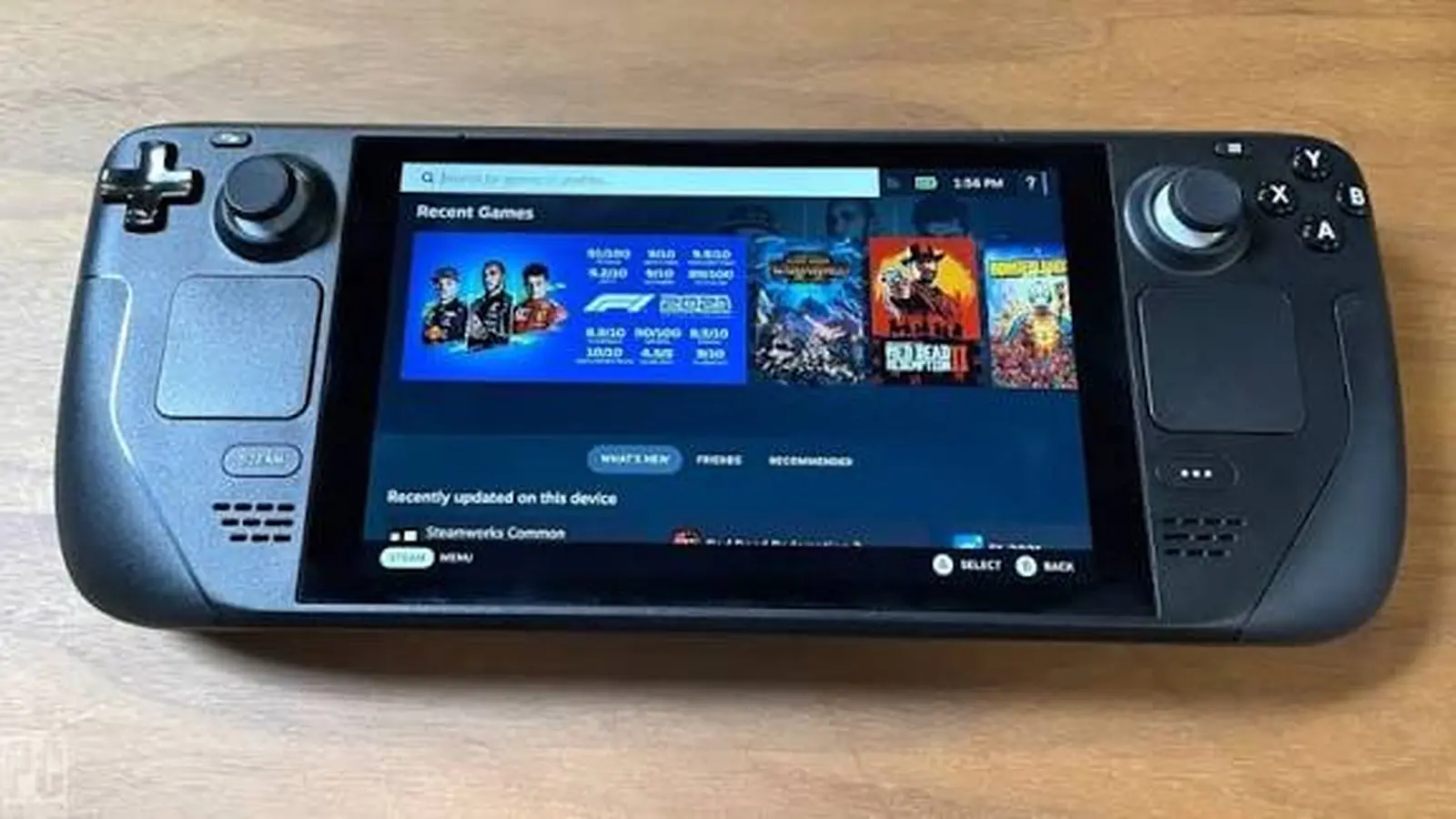
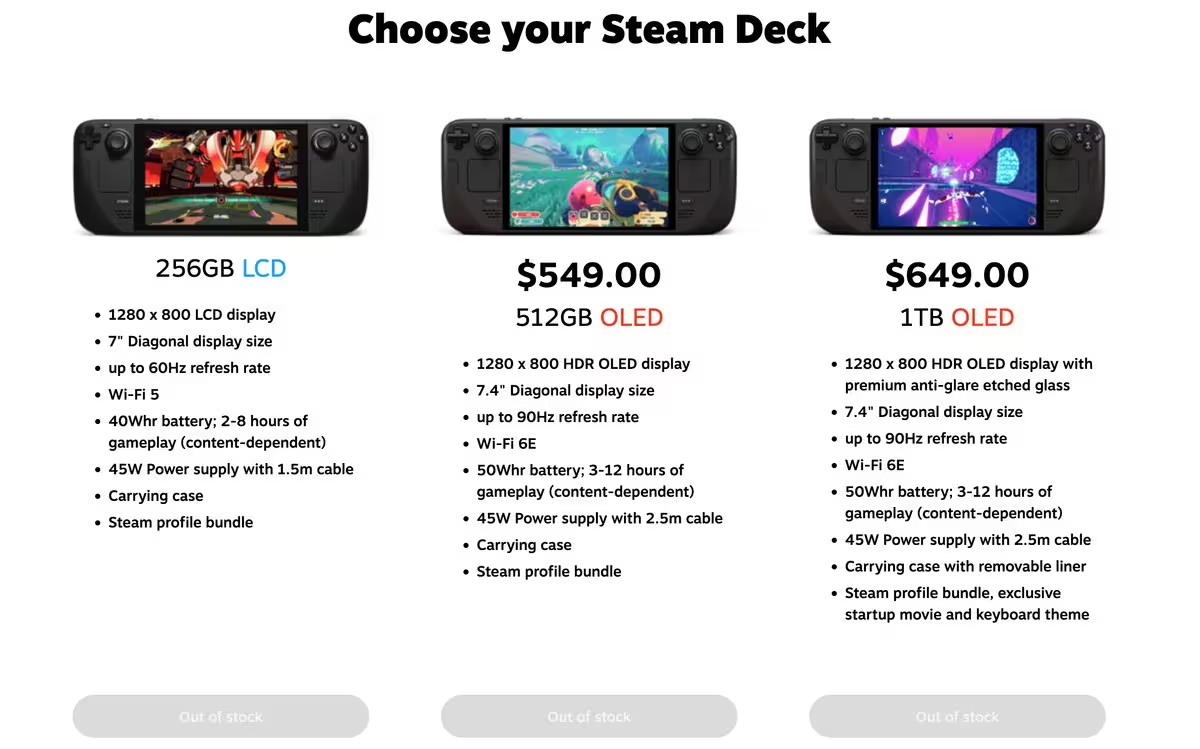
Suddenly, finding a Steam Deck feels like hunting for concert tickets. In the last week Valve's storefronts in the US and Canada began showing all three Deck SKUs as out of stock. That includes the two OLED models that remain the company's flagship handhelds.
Asia felt the pinch too: Japan, South Korea, Hong Kong and Taiwan are reporting shortages. Europe, for now, still has some inventory left. Inventory ebb and flow. But this particular swell has a clear undertow.
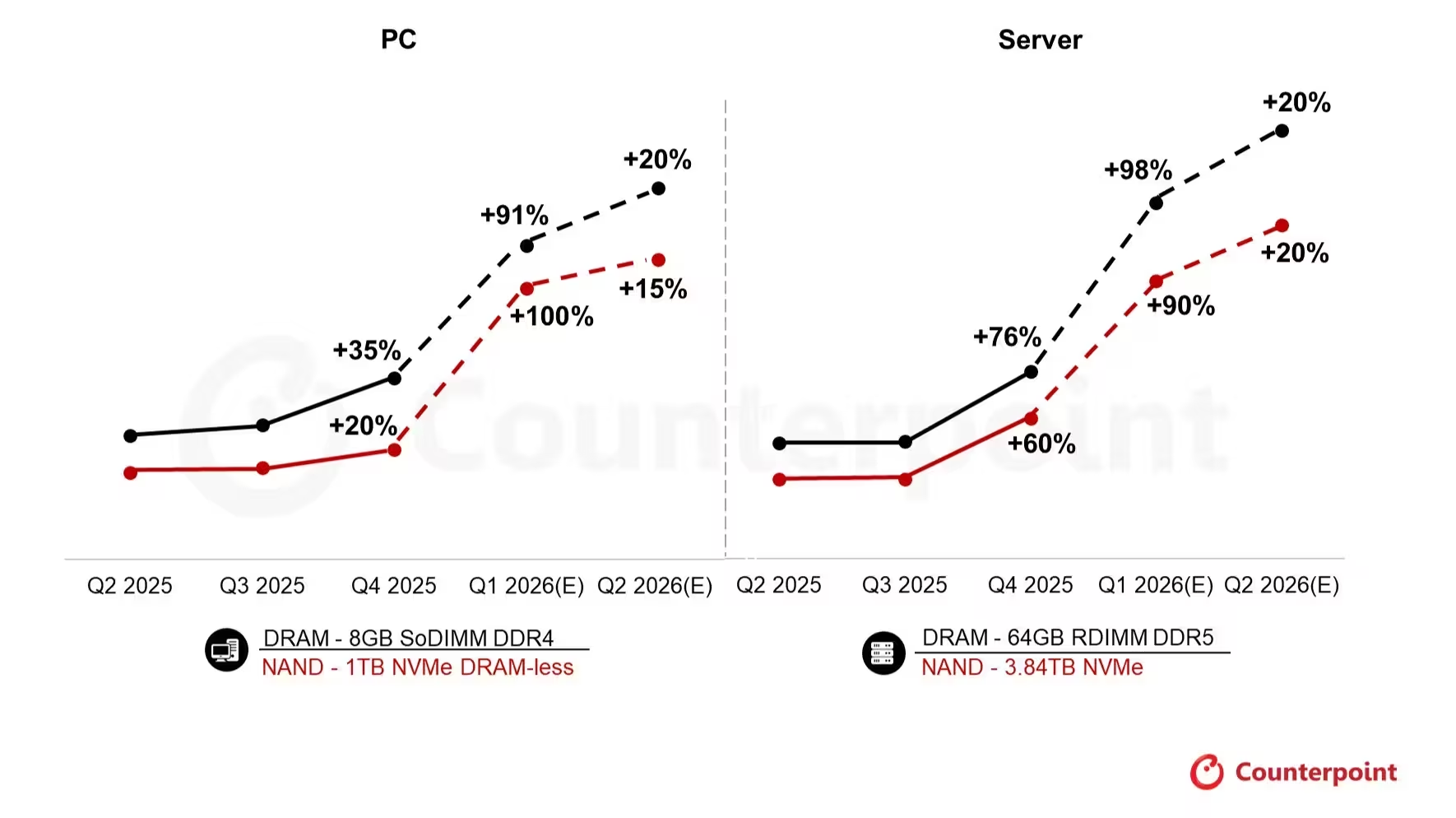
Have memory costs climbed that dramatically? Yes. Industry trackers point to steep jumps in DRAM, NAND and HBM pricing — analysts saying DRAM and NAND moved up roughly 80–90% in Q1 2026 versus the prior quarter. When core components spike like that, smaller-volume makers get squeezed first. Valve doesn't buy memory at the scale of major console or phone manufacturers, so margins and delivery timelines become fragile.
Valve hasn't issued a public explanation. No press release. No announcement. Yet anecdotal threads on Reddit show a mixed picture: a handful of recent successful US orders, but many shoppers seeing empty carts. That tells me supply is patchy rather than perfectly halted. One warehouse ships. Another runs dry.
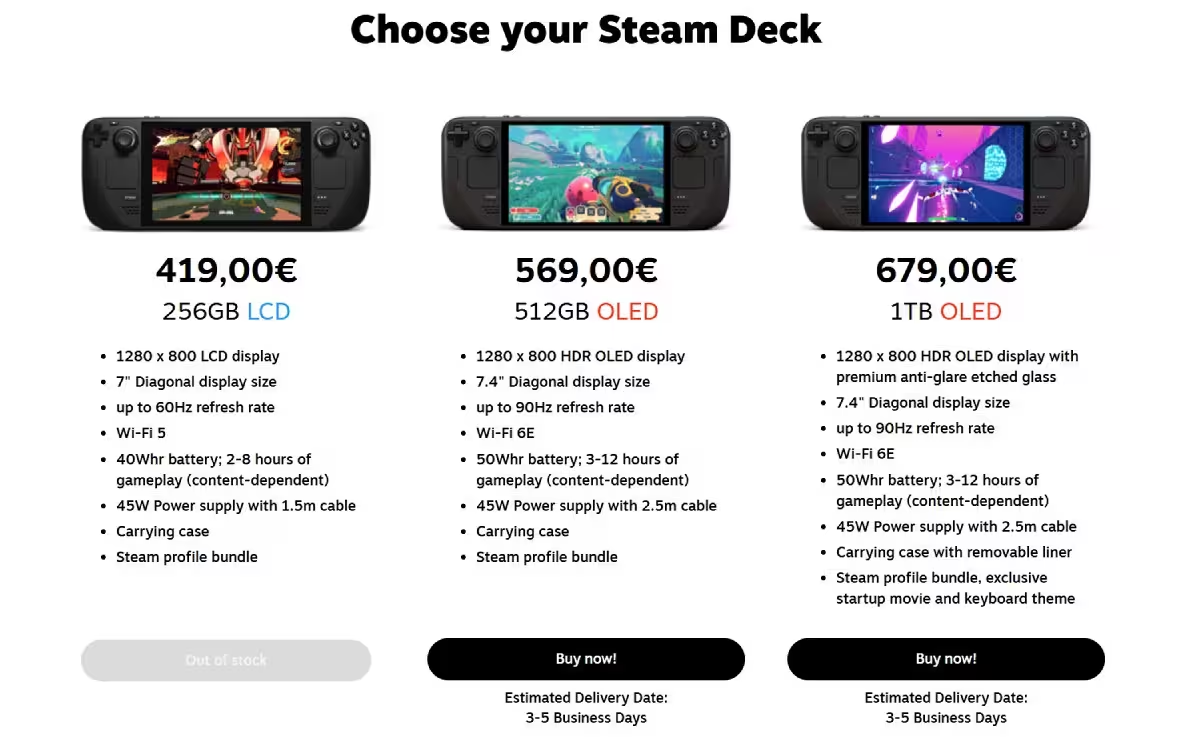
There's also context beyond the Deck. Valve quietly retired the LCD Deck model in December, making OLED the only current option. And the company recently delayed launches for the Steam Machine and Steam Frame VR, devices revealed last November without price tags. Pushing those launches back without commitments suggests Valve is waiting for component stability before putting dates and numbers on the table.
So what's the takeaway for buyers? If you're eyeing a Deck, check regional stores often and follow those community megathreads. Patience could pay off—or not. Component markets move fast, and availability can flip overnight. For Valve, the dilemma is plain: hold back shipments to avoid price surprises, or ship now and risk absorbing volatile memory costs.
Either way, this is a reminder that hardware availability is no longer just about factories and logistics; it's about raw materials and market leverage—things that matter far more when a single component can reshape a product’s fate.

Leave a Comment
Comments
No comments yet. Be the first.