
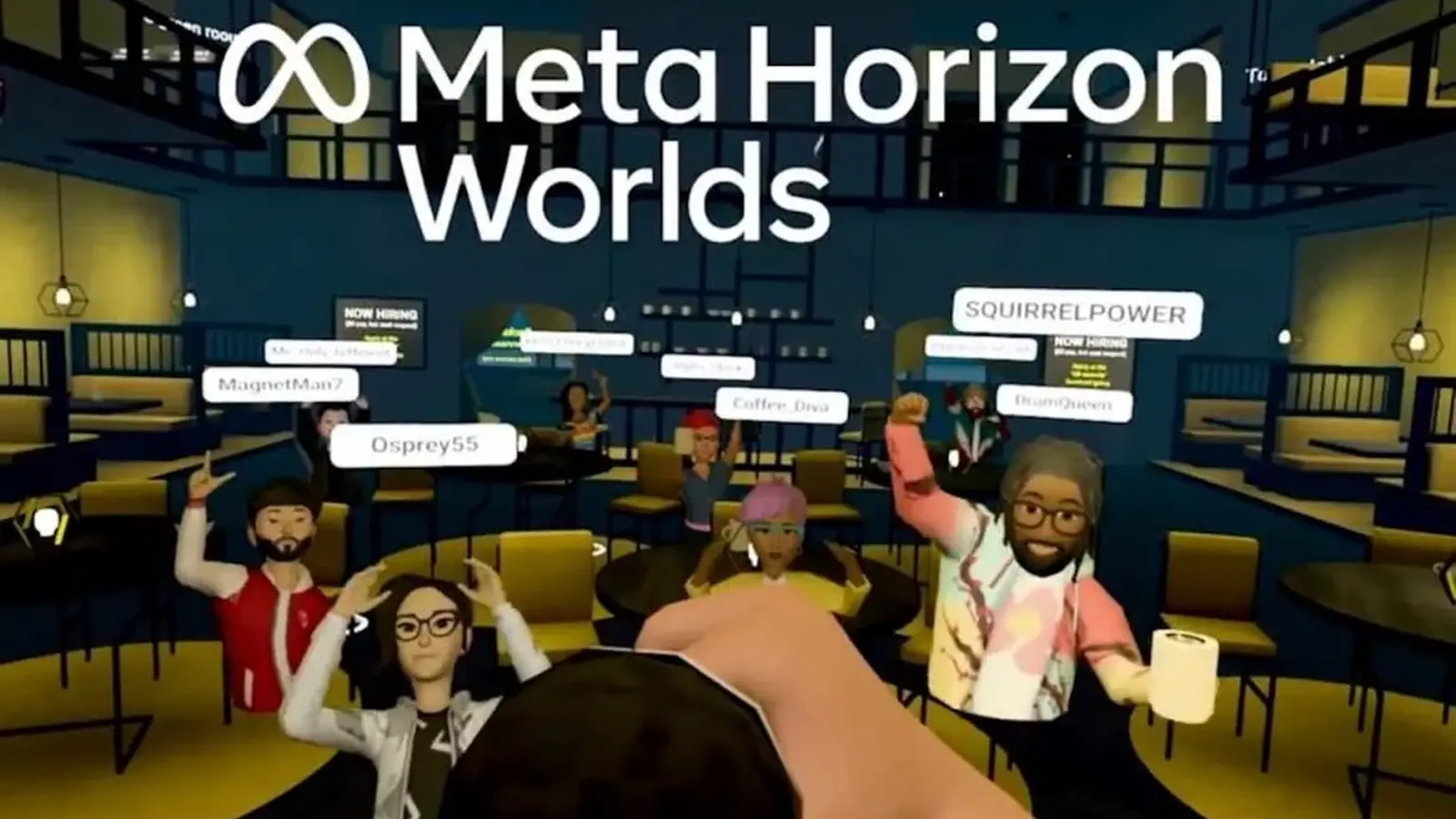
What happens when a company built on social networks decides the future isn't a headset strapped to your face but the phone in your pocket? Meta just answered that question—and it quietly redraws the map for the metaverse.
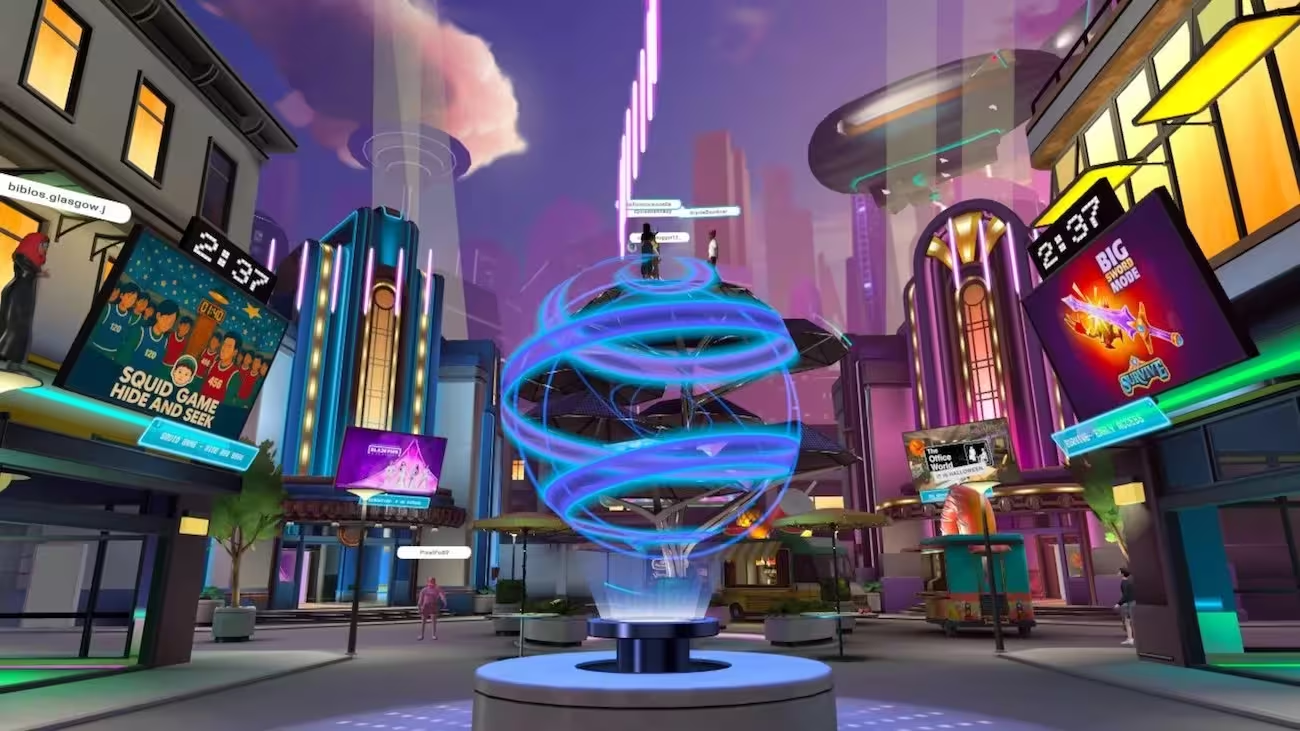
Horizon Worlds, once presented as a flagship virtual-reality universe tied to Quest headsets, is being recast as a mobile-first platform. The change isn't a collapse; it's a strategic reorientation. Meta told partners that Quest and Worlds will now operate as distinct platforms, with Worlds shifting its center of gravity toward smartphones.
The reasoning is simple. VR, for all its spectacle, remains limited by hardware adoption. Phones are everywhere. Meta plans to lean on that ubiquity—and on Facebook, Instagram, and WhatsApp—to seed Horizon with an audience far larger than the handful of headset buyers could deliver.
There are numbers behind the pivot. Mobile monthly active users of Horizon reportedly surged more than fourfold in 2025 after Meta opened the platform to phones. At the same time, Meta is pushing harder on tools: the Meta Horizon Engine is being offered to creators so immersive worlds can be built faster and with richer mechanics. The payoff is tangible—last year, four creators on the platform crossed the million-dollar mark in earnings.
Does this mean Meta is abandoning VR? Not at all. Think of it like pruning a tree to let healthier branches flourish. Reality Labs will continue to back Quest, but the company admits VR has not scaled as quickly as hoped. Instead of retreating, Meta is refining its bets—doubling down on the software and experiences that show momentum.
Developers are central to the calculus. Internal telemetry shows roughly 86 percent of headset usage time is spent in third-party apps. To keep that engine humming, Meta invested about $150 million in 2025 to support VR developers, expanding monetization tools and improving the Quest app store. The message is clear: make Quest the best place to build immersive games and apps, even as Worlds chases mass adoption on mobile.
Put another way: Meta is splitting roles. Quest becomes the specialist—an optimized stage for deep, hardware-driven VR experiences. Horizon Worlds becomes the generalist—a broad social platform you can enter from a phone. Both aims have merit. Both aim to grow.
Meta’s next chapter looks less like an all-or-nothing bet on headsets and more like a two-pronged approach to reach users where they already spend their time.
Whether this hybrid path will satisfy early VR evangelists and mainstream users at once remains an open question—and one that will shape how we think about virtual worlds in the years ahead.

Leave a Comment
Comments
No comments yet. Be the first.