
3 Minutes
Not every upgrade reads like progress. Sometimes a change feels like a sideways step — and Samsung’s decision to drop a titanium frame on the Galaxy S26 Ultra fits that description for many fans.
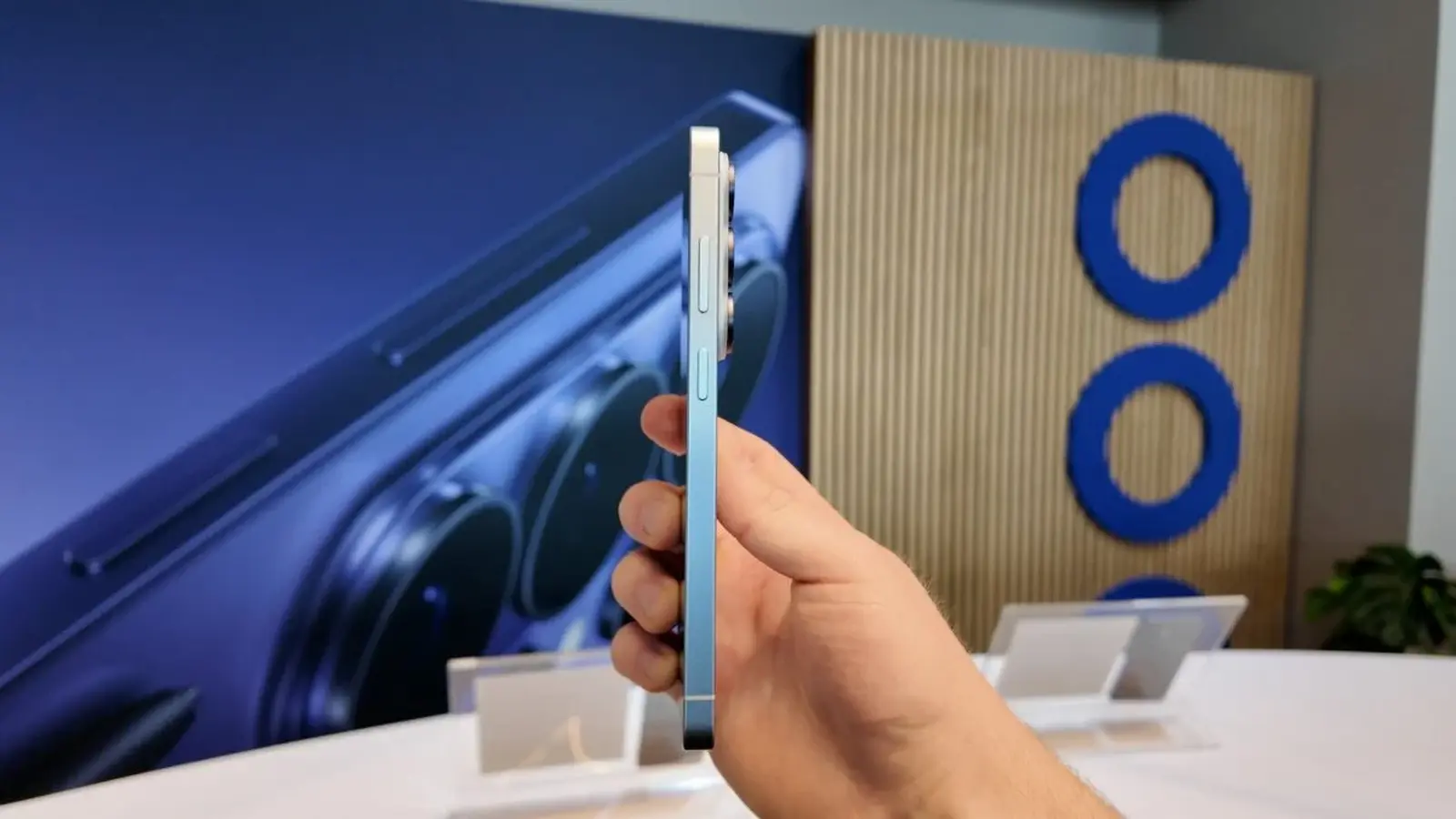
The new S26 Ultra arrives with visible improvements: a refined display that adds Privacy Display tech, a faster chipset, updated rear lenses, and quicker charging. Yet one material choice stands out as a step backwards to some observers — the phone uses Armor Aluminum for its frame instead of the titanium used in the S25 Ultra.
Samsung’s official line leans on balance. “The choice of materials in each Galaxy device reflects Samsung’s effort to balance strength, comfort and design intent,” the company said, adding that Armor Aluminum helped them achieve the slimmest, lightest S series Ultra to date while keeping everyday durability intact. It’s a tidy answer. And also a guarded one.
Why guarded? Because the explanation leaves out a few engineering and business realities that often sway these decisions. Titanium offers a distinct premium feel and high tensile strength, but it’s heavier per volume and more expensive to source and machine. Aluminum, especially the high-grade alloys Samsung markets as Armor Aluminum, dissipates heat better and is easier to form into thin, lightweight chassis. That thermal advantage matters when you’re pushing power-hungry silicon into a smaller footprint.

Cost plays its part too. Titanium isn’t just pricier up front; it complicates manufacturing and can drive up repair costs and margins. Heat, weight, and cost are practical trade-offs that often win over the symbolic cachet of “titanium” on a spec sheet.
Materials in flagship phones are rarely about a single metric — they’re a compromise between thermal management, ergonomics, durability, and price.
There’s also precedent. Apple pulled a similar U-turn, moving from titanium on the iPhone 16 Pro series to aluminum for the iPhone 17 Pro lineup. Whether Samsung took a cue from that move or arrived at the same conclusion independently, the industry appears to be rethinking what counts as “premium” in a design era focused on thinness and thermal performance.
For buyers, the difference will show up in feel and perception as much as in practical use. Titanium scratches and scuffs differently; it can feel more substantial. Aluminum can make a device lighter and cooler under sustained load. Which matters more depends on what you do with your phone and how much you value that premium heft.
Skepticism about Samsung’s public rationale is understandable. The company left out specific engineering trade-offs and cost figures — the exact levers that make this kind of decision. Still, if you prize thinness, cooler surface temperatures under heavy tasks, and a lower price-to-feature ratio, Armor Aluminum may be a sensible choice. If you equate titanium with high-end prestige, the change will likely sting.
Hands-on testing will tell the rest of the story — how the S26 Ultra feels in the hand, how it ages, and whether Armor Aluminum proves itself under weeks of real-world use. Until then, the swap raises a larger question: are phone makers redefining premium to mean performance and thermals over materials and mystique?

Leave a Comment
Comments
No comments yet. Be the first.