

2 Minutes
Apple might finally break one of its longest-standing taboos: a MacBook you can actually touch. A fresh report from Chinese leakster Instant Digital adds fuel to months of whispers, suggesting a touchscreen MacBook is on the way — and that it could be the high-end MacBook Ultra we've been hearing about.
Leaks rarely appear in isolation. This one lines up with earlier claims: Apple is testing touch input on macOS, and the company has already begun sprinkling touch-friendly cues into macOS 27 Golden Gate. Sidecar now accepts touch when an iPad is used as a secondary display, and first-party apps show subtle pull-to-refresh gestures in Safari, Mail and News. Small moves. Big signals.
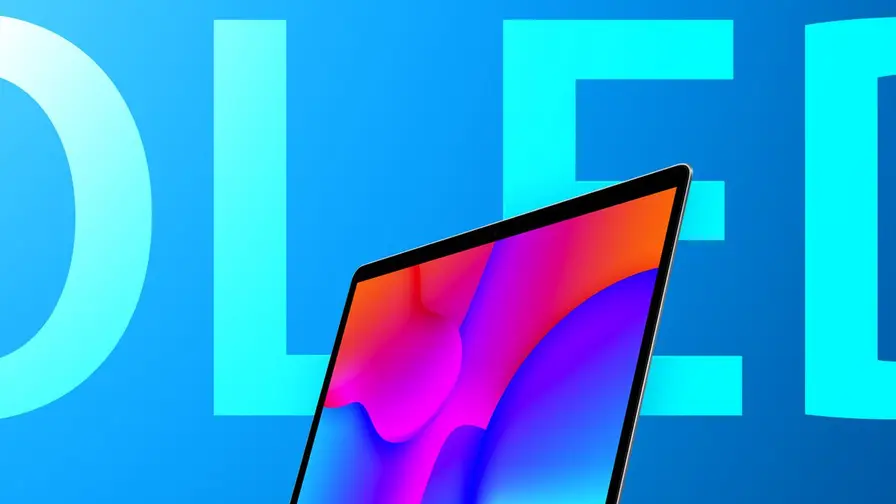
What would a touchscreen MacBook actually look like? Insiders point to an OLED panel with responsive touch layers and contextual menus that appear where you tap — think options that pop up based on the exact pixel you touch, not just a static menu bar. There’s even talk of a Dynamic Island-style cutout making the leap from iPhone to laptop, reimagined for notifications and real-time controls at the top of the screen.

Under the hood, the rumor mill favors Apple’s next-generation M6 silicon in the premium model. Faster performance, better power efficiency, and improved graphics are the usual suspects. But hardware upgrades rarely come for free. Early estimates suggest Apple could raise starting prices by around 20 percent compared with current MacBook Pro levels, which would put this device squarely in the premium, early-adopter tier.
There are practical questions, too. How will macOS handle accidental palm touches? Will developers adopt touch-first interactions for apps built around keyboard and trackpad workflows? And can Apple deliver a glass surface that feels natural to tap while preserving battery life and color fidelity on an OLED panel?
If these reports are accurate, we might be witnessing one of the biggest shifts in Mac design in years. That shift would force software and accessory ecosystems to rethink how people work on a laptop, not just how they consume content.
Apple has not confirmed any of this. But if you’re imagining a MacBook that blends the immediacy of touch with the power of macOS, you’re not alone. Will Apple manage to make touch feel native on a laptop, or will it remain a feature best left to tablets and hybrid devices?

Leave a Comment
Comments
No comments yet. Be the first.