
3 Minutes
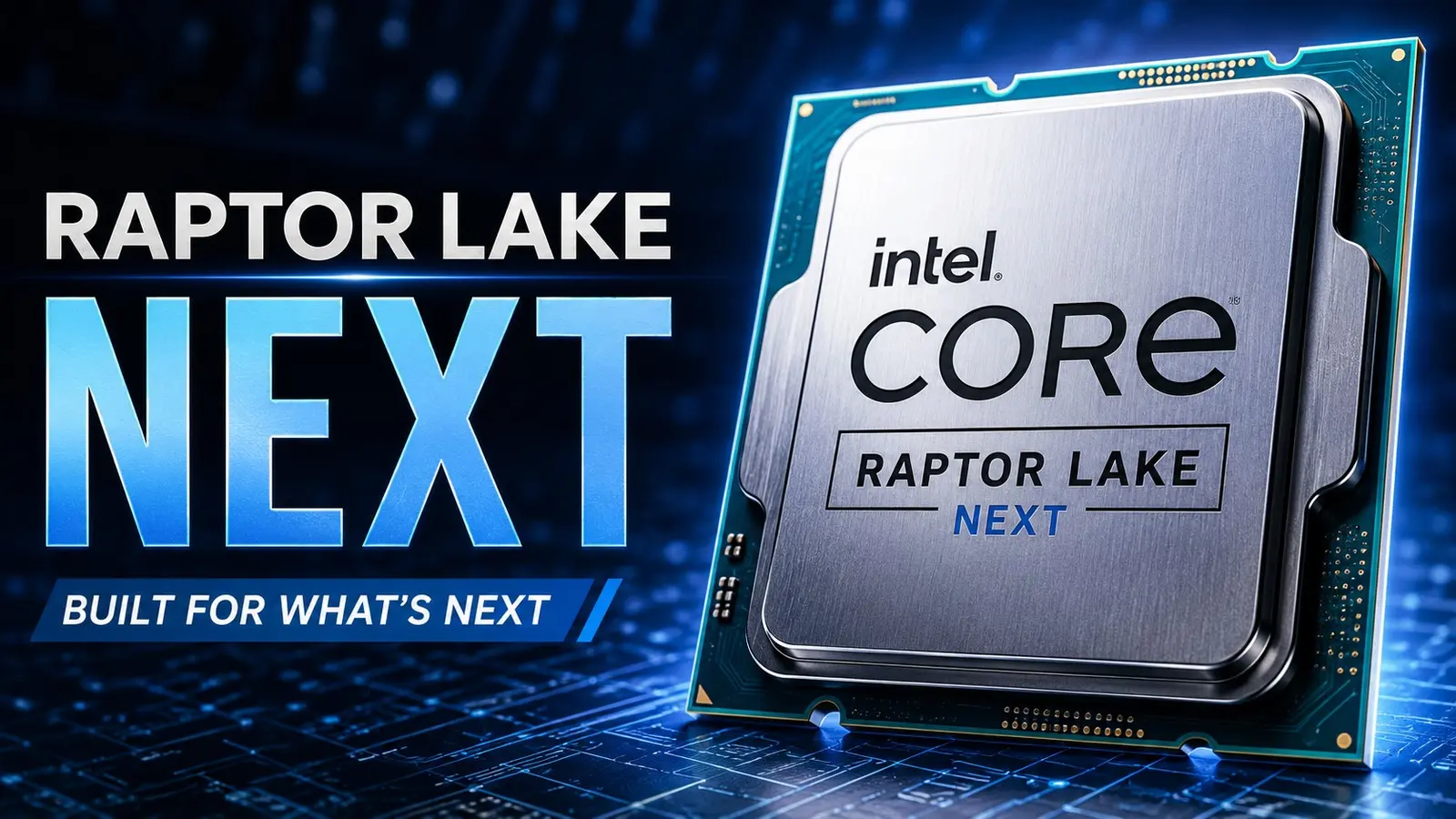
Walk into any enthusiast forum or PC retailer and the conversation has a familiar refrain: DDR4 still wins on price and availability. Intel appears to be listening. According to industry sources cited by Tom's Hardware, the chipmaker is preparing another refresh of its Raptor Lake family — informally dubbed "Raptor Lake Next" — targeting an early 2027 arrival.
The Raptor Lake story has been unusually long-lived. After the breakout success of 13th-gen Raptor Lake, Intel pushed a refresh, then another, and even rebranded parts alongside its Arrow Lake/Core Ultra launches. Those moves weren’t accidental. Raptor Lake silicon continues to sell better than some of Intel’s newest architectures, particularly where buyers won’t bite on DDR5 premium pricing.
So why another refresh? It’s market mechanics more than nostalgia. Motherboard vendors are ramping up DDR4 production. Retail channels are full of DDR4 platforms for LGA 1700 and AM4-style sockets, and demand remains steady where value matters most. If DDR5 memory stays pricey — as AMD and other players have recently suggested it will for some time — then a refreshed DDR4-friendly CPU line makes solid commercial sense.

Reports suggest Intel plans to ship Raptor Lake Next alongside upcoming Nova Lake processors, allowing both DDR4 and DDR5 ecosystems to coexist. Will these be new SKUs optimized for specific price points, or a repackaging of existing dies under a refreshed name? The sources aren’t definitive. What is clear is Intel’s intent to serve two parallel upgrade paths: an affordable DDR4 track and a forward-looking DDR5 track.
There’s precedent. AMD has already dusted off and reworked older silicon — the Ryzen 7 5800X3D anniversary edition being a notable example — to plug gaps left by supply and manufacturing shifts. With DDR5 still carrying a premium and platform costs rising for LGA 1851 and AM5, both major vendors seem pragmatic: protect the affordable upgrade lane while nudging users toward next-gen platforms when the price makes sense.
For consumers, that means more breathing room. If Raptor Lake Next lands as rumored, budget-conscious builders and upgrade shoppers will get refreshed CPU options without the extra expense of DDR5 memory. For board makers and retailers, it’s a chance to keep selling proven DDR4 ecosystems while inventory and pricing normalize for DDR5.
Intel appears poised to keep DDR4 relevant through strategic Raptor Lake refreshes, meeting current demand until DDR5 becomes widely affordable.
Expect details to trickle out as Nova Lake rolls out and partners adjust inventories. And one last question: when platform parity finally arrives, will price alone be enough to tip the market to DDR5?


Leave a Comment
Comments
No comments yet. Be the first.