
3 Minutes
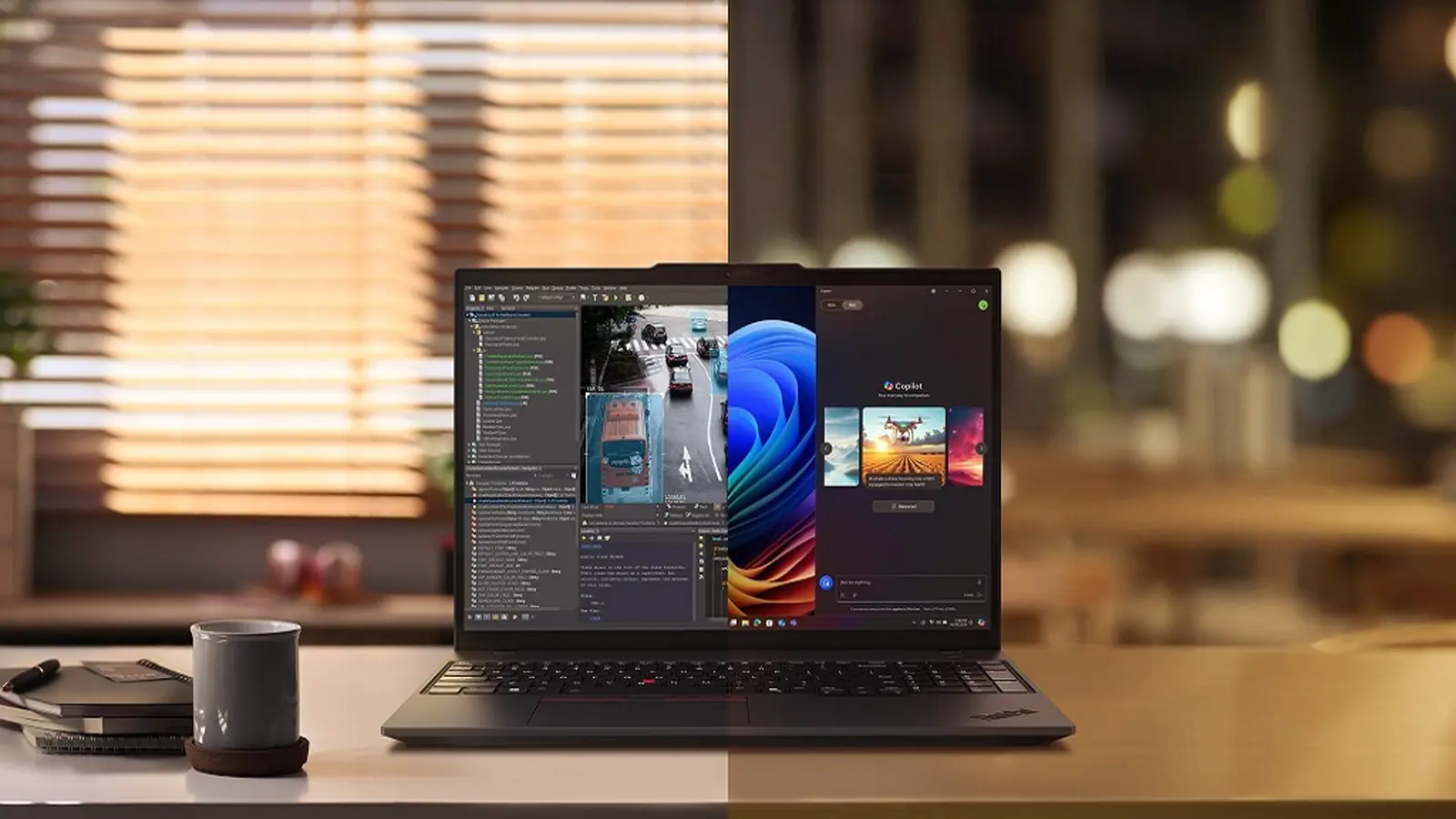
There are laptops that promise the moon and ones that quietly elbow their way into your workflow. The new ThinkPad P16s (2026) lands firmly in the latter camp — a pragmatic, no-flourish workstation for people who actually need to get things done.
Lenovo has quietly put the machine up for pre-order on JD.com in China, and listings show several configurations already ready to ship. The first sales begin tomorrow, with higher-end variants arriving later. If you live by benchmarks and tight deadlines, this is the kind of release worth bookmarking.
Under the lid, the P16s leans on Intel’s latest Core Ultra silicon. Current SKUs ship with the Core Ultra 7 356H, and Lenovo teases a more muscular Core Ultra 9 386H for a forthcoming model. Short story: single-thread snappiness and multithread stamina are both on the menu. For day-to-day engineering or content work, that matters. For real heavy lifting, wait for the Ultra 9 variant.

Display matters. A lot. Lenovo opted for a 16-inch OLED panel at 2880 × 1800 pixels and a buttery 120Hz refresh rate. Colors pop. Motion stays clean. There’s an optional touchscreen if you prefer tapping and pinching rather than keyboard shortcuts. Picture it as a portable studio: accurate, bright, and smooth.
Graphics are modular rather than monolithic. Buyers can choose integrated graphics for efficiency, or step up to NVIDIA’s professional RTX Pro options — currently the RTX Pro 500 and RTX Pro 1000, with a promised RTX Pro 2000 model down the line for those who need larger GPU budgets. In practice, that means the P16s can be a CAD machine one day and a color-grading station the next, depending on configuration.
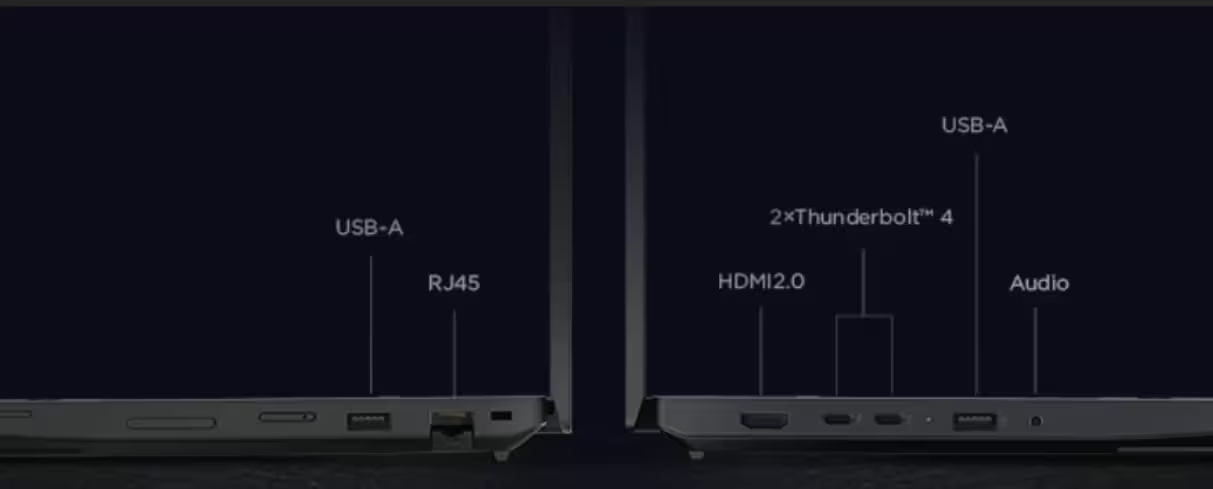
Memory and storage are generous out of the gate: shipped models arrive with 32GB of RAM and a 1TB PCIe Gen 4 SSD. A 90Wh battery gives the machine unusual endurance for a 16-inch workstation. Ports cover modern and legacy workflows — two Thunderbolt 4 connectors, HDMI 2.0, two USB-A ports, a 3.5mm audio jack, and an RJ45 Ethernet socket — so docking and hooking up to older peripherals won’t be a headache.
The P16s mixes mobile performance and workstation-grade GPUs into a package that’s clearly aimed at professionals who travel but refuse to compromise on capability.
Price is where things get pointed. The Core Ultra 7 touchscreen model starts at 15,799 yuan. Step up to RTX Pro 500 and RTX Pro 1000 configurations, and you’re looking at 19,999 yuan and 22,999 yuan, respectively. Lenovo hasn’t published pricing for the Ultra 9 and RTX Pro 2000 variant yet, but expect a premium for that level of performance.
There’s nothing deliberately flashy about the P16s. No exaggerated cooling vents, no RGB, no marketing stunts. It’s a workplace tool dressed in ThinkPad black: utilitarian, reliable, and subtly engineered. That will appeal to engineers, designers, and IT managers who need predictable performance and solid build quality more than headline-grabbing specs.
Whether the P16s replaces a desktop depends on your workload. For many professionals — architects drafting on site, VFX artists needing a mobile render node, analysts running complex models — it’s an option worth considering. For everyone else, it’s a resilient, well-balanced laptop that proves Lenovo still understands the practical side of power.
If you’re shopping for a mobile workstation that doesn’t complicate your life, the P16s deserves a close look when those higher-tier variants finally arrive.











Leave a Comment
Comments
No comments yet. Be the first.