
3 Minutes
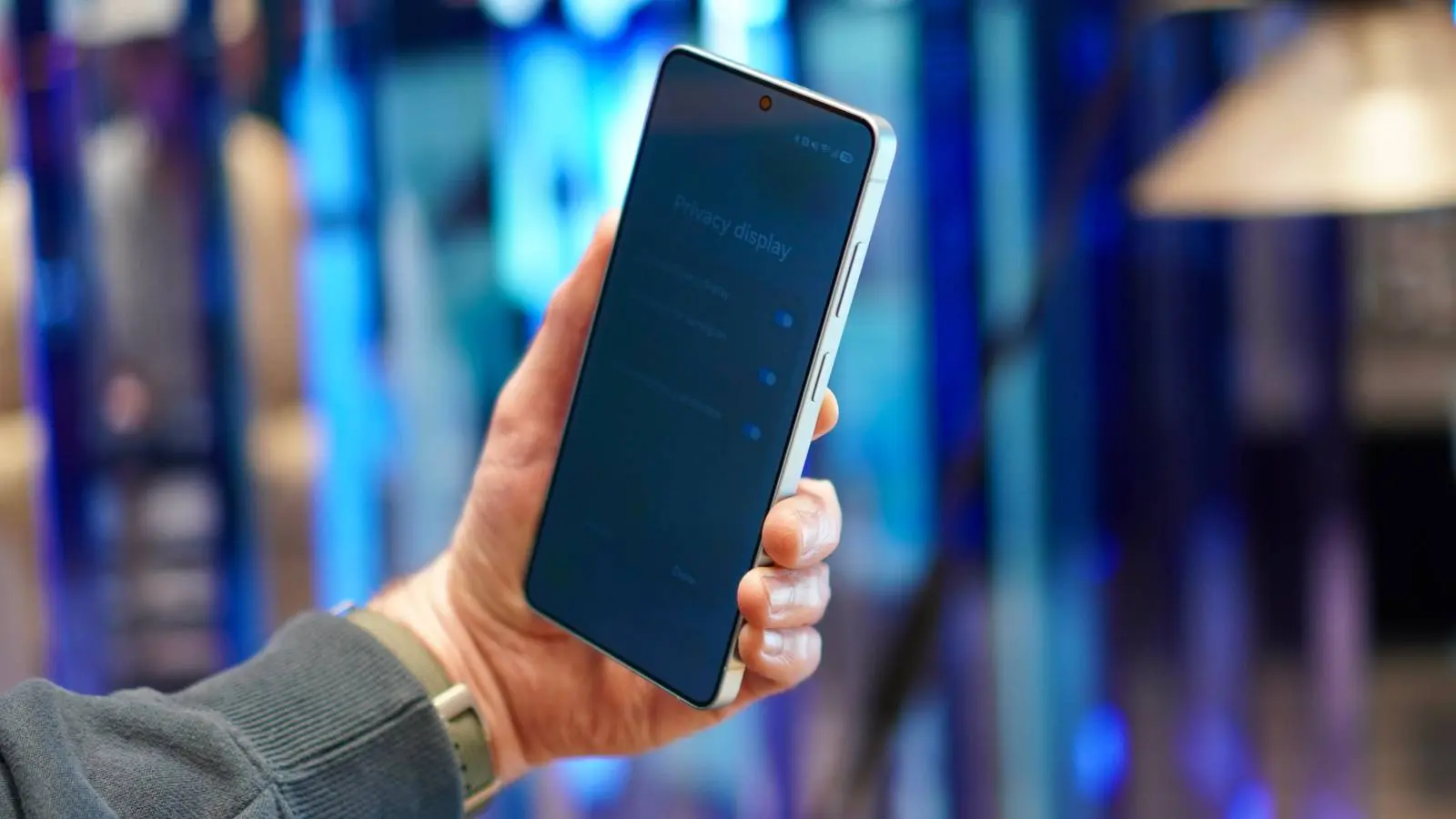
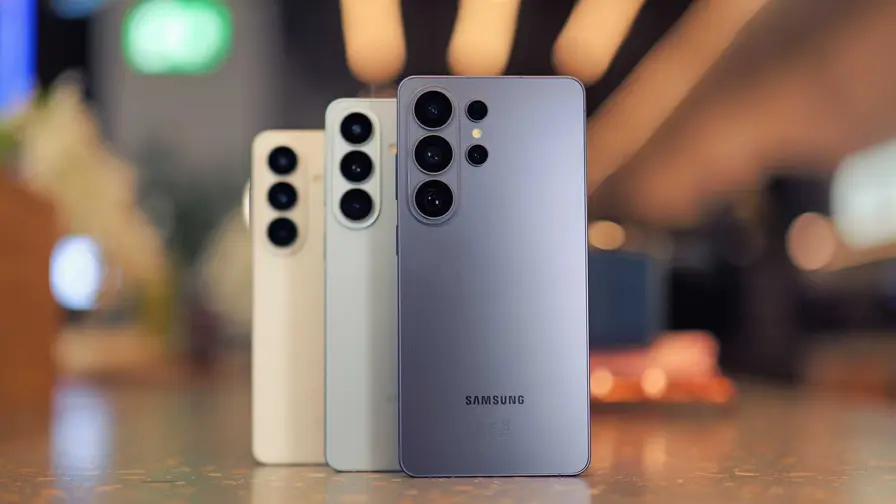
Privacy used to mean a flimsy screen filter and hoping no one glanced over your shoulder. Now it’s a hardware feature baked into flagship phones, and Samsung set the tone this year with the Galaxy S26 Ultra.
Samsung’s S26 Ultra made headlines not just for cameras and chipset, but for a display that narrows off-axis visibility — a built-in way to stop shoulder surfing at a glance. Rumors today say Samsung Display will take that step further: the company plans to offer the same Privacy Display technology to other smartphone makers by the end of 2028.
That move could rewrite the display supply chain and push privacy screens from niche perk to mainstream expectation.
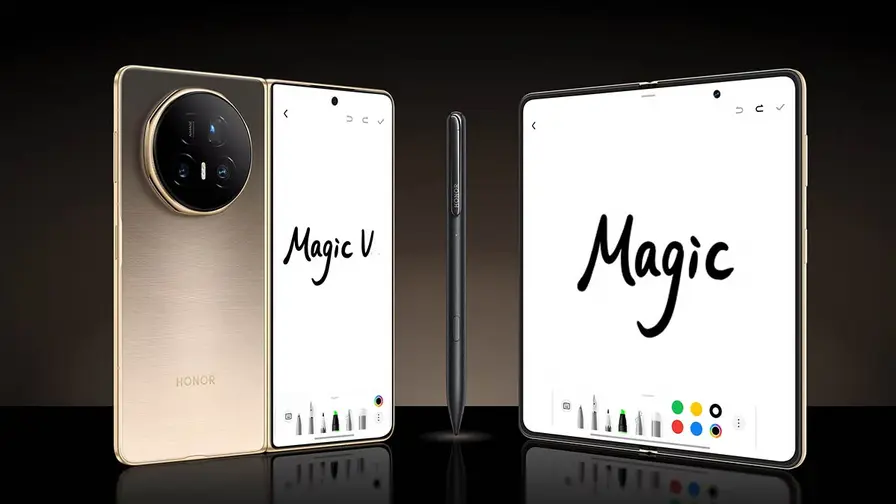
How are other brands reacting? Some are waiting for Samsung’s license; others are trying to beat it to the punch. Xiaomi has been linked to a similar feature for its 18 Pro, and now Honor is reportedly developing its own Privacy Display with a Chinese panel partner. Tipsters claim Honor is testing the tech on two upcoming phones, one around 6.3 inches and the other near 6.8 inches — likely members of the Magic9 family set to appear later this year.

What we’re talking about isn’t software trickery. This is hardware-level privacy: the panel or its backlight is tuned to reduce side-angle visibility so the screen looks washed out or unreadable when viewed from the side. For everyday users, that translates to fewer prying eyes on crowded trains, in cafes, or at meetings. The catch? Narrowing viewing angles can affect peak brightness and color uniformity if not handled carefully, so execution matters more than the idea.
Chinese manufacturers working with local display suppliers may get close fast. But matching Samsung’s balance of brightness, color accuracy, and manufacturability is a tall order. Small optical tolerances and software calibration separate a convincing privacy display from one that dimly compromises the whole viewing experience.
Expect a sprint of experimentation. Some vendors will favor affordability; others will chase the premium finish that made the S26 Ultra stand out. For shoppers, that means choice — and confusion. Which implementation gives you real privacy without killing daylight visibility? That will be the question reviewers and early buyers answer first.
If Samsung’s plan to license the tech holds, then by late 2028 Privacy Display could be a checkbox across the flagship market. Until then, keep an eye on Honor’s Magic9 tests and the chatter around Xiaomi’s 18 Pro — the next few months should make clear which approach wins: licensed polish or fast-follow innovation.



Leave a Comment
Comments
No comments yet. Be the first.