
2 Minutes
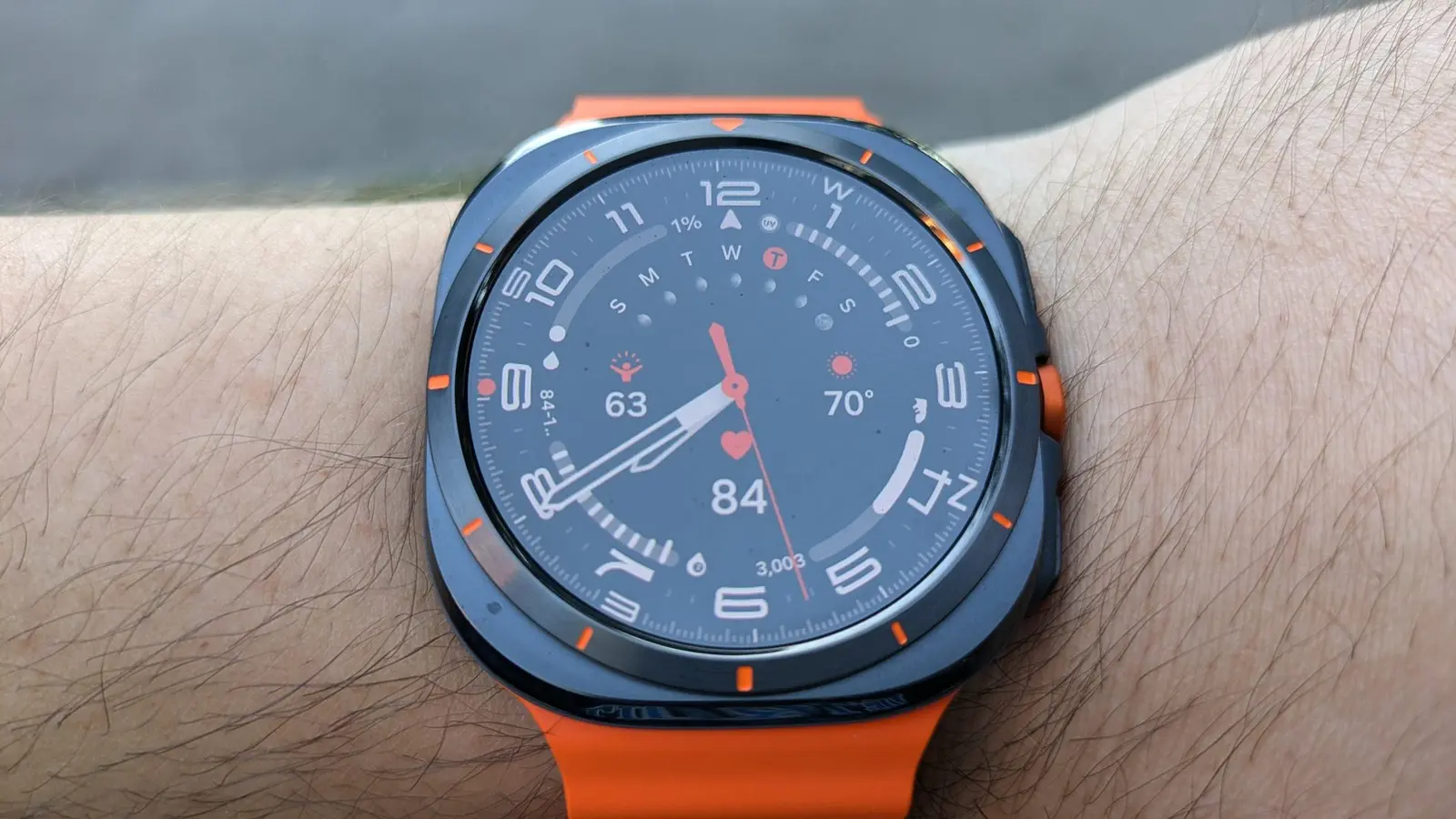
Imagine your smartwatch stepping into a clinical lab. Tiny sensors. Big ambitions. That’s the image Samsung and digital-first clinical research firm Alcedis are selling as they stitch consumer wearables into the fabric of formal medical studies.
Under the agreement, Samsung will supply health data collected from its wearable devices, while Alcedis will take on the heavier lifting: gathering, cleaning, analyzing and translating those biometric streams into evidence that can be used in pharmaceutical trials and other clinical research settings. It’s not just data handoff. It’s an attempt to turn continuous, everyday metrics into something regulators and clinicians can use.
They’re focusing on clinically validated measurements such as bioelectrical impedance analysis (BIA) and electrodermal activity (EDA), alongside capabilities tied to obstructive sleep apnea (OSA) detection and atrial fibrillation (AFib) signals. This partnership could convert everyday wearables into research-grade data streams.
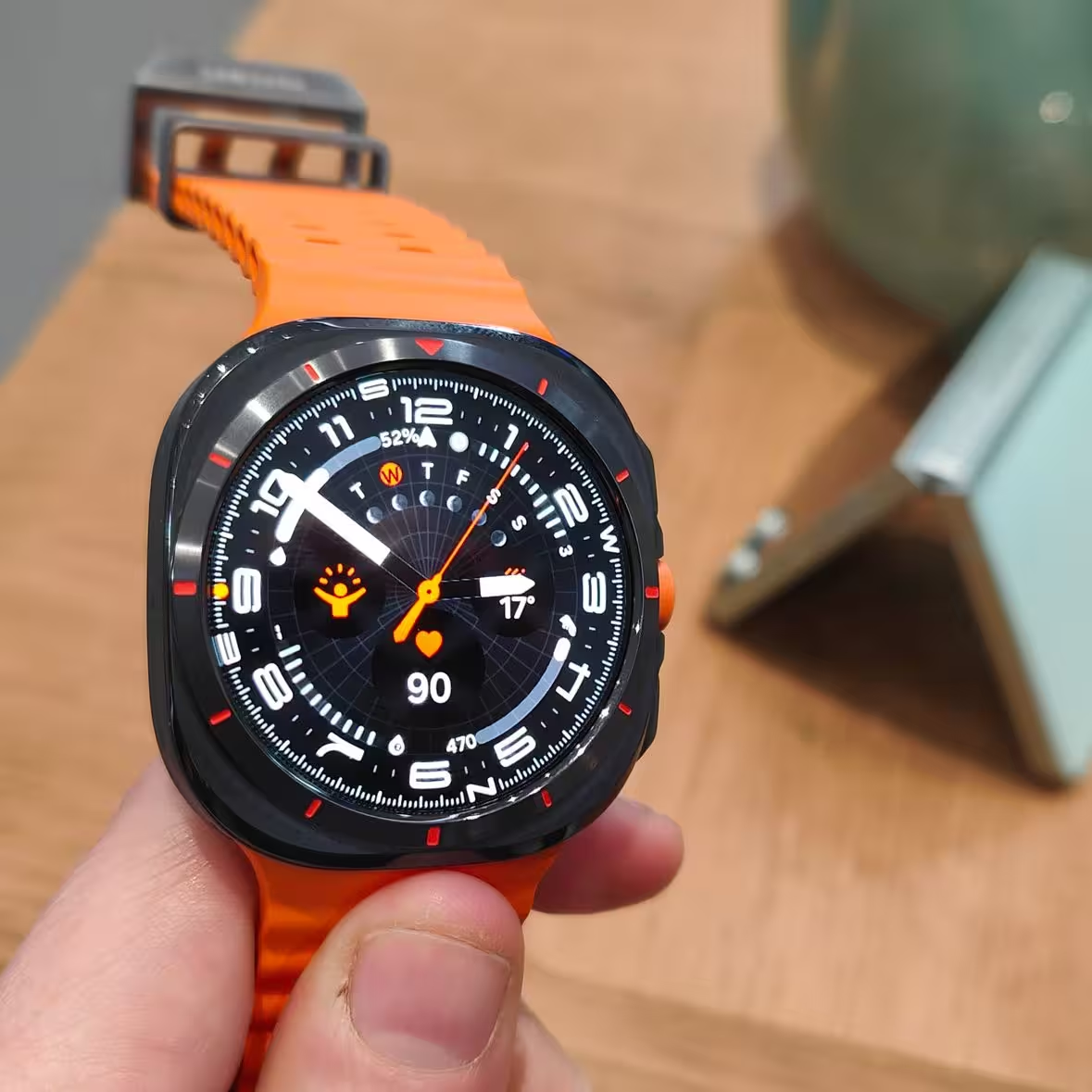
Why does this matter? Because wearables are everywhere and they collect a steady pulse of real-world information at a fraction of traditional trial cost. But there’s a catch: raw wearable data is noisy, inconsistent, and often divorced from clinical context. Few organizations have the systems to validate, interpret and package those signals into evidence that meets scientific and regulatory standards. Alcedis aims to fill that gap.
There are practical hurdles. Sensor calibration, algorithm transparency, endpoints that regulators accept — these aren’t trivial. And then there’s consent, privacy and data governance. Who can see the data? How long is it stored? How is it anonymized? Those operational and ethical questions will shape whether this kind of partnership becomes a model or a one-off experiment.
If the mechanics work, the payoff is obvious: faster decentralized trials, closer remote monitoring and new biomarkers harvested from everyday life. If it fails, it will be a reminder that having lots of data doesn’t automatically mean having clinically useful insight. Either way, expect the next few years to test whether consumer wearables can genuinely graduate from lifestyle gadgets to reliable tools for medical research — and whether patients and regulators will trust them when they do.






Leave a Comment
Comments
No comments yet. Be the first.