
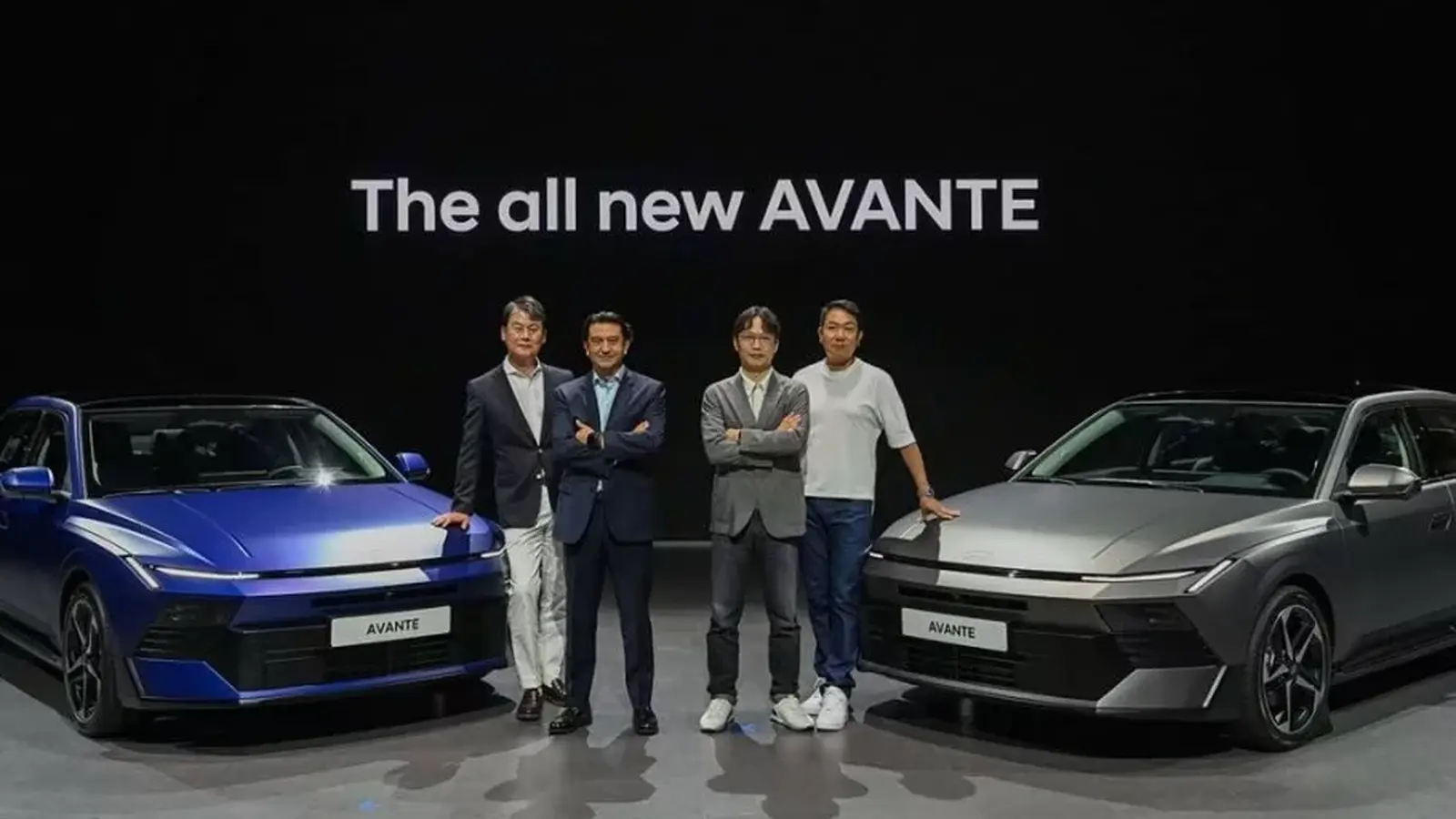
Hyundai unveils the all-new Elantra at Busan 2026
Hyundai has pulled the covers off the eighth-generation Elantra—known in South Korea as the Avante—at the Busan International Motor Show 2026. The new compact sedan arrives with a dramatically revised exterior, a more premium cabin, and upgraded technology that pushes it closer in size and feel to the brand’s larger Sonata.

What’s changed: bigger dimensions, sharper presence
From a distance, the 2027 Elantra announces itself with pronounced fenders, flush door handles, and a distinctive C-pillar treatment featuring a small quarter window. The redesign isn’t just cosmetic: overall length grows to 4,765 mm—around 55 mm longer than the previous generation—while wheelbase expands by 30 mm to 2,750 mm. Width now measures 1,855 mm and height is 1,425 mm. These changes translate into a noticeably roomier interior, especially for rear-seat passengers thanks to a flatter roofline.

Hyundai is positioning the Elantra as a compact sedan with near-midsize proportions. In practical terms, it now shares similar footprint characteristics with the Sonata, helping Hyundai blur the lines between segments and offer more interior space in a traditionally economical model.
Design language: Art of Steel, dialed up
The new Elantra follows an evolved "Art of Steel" design language—characterized by crisp, angular surfaces and bold character lines. Signature H-shaped LED lighting elements grace both the front and rear, while a prominent ducktail spoiler integrates into the trunklid for a muscular rear profile. The car rolls on two-tone, five-spoke 18-inch wheels that echo the vehicle’s sharp exterior geometry.
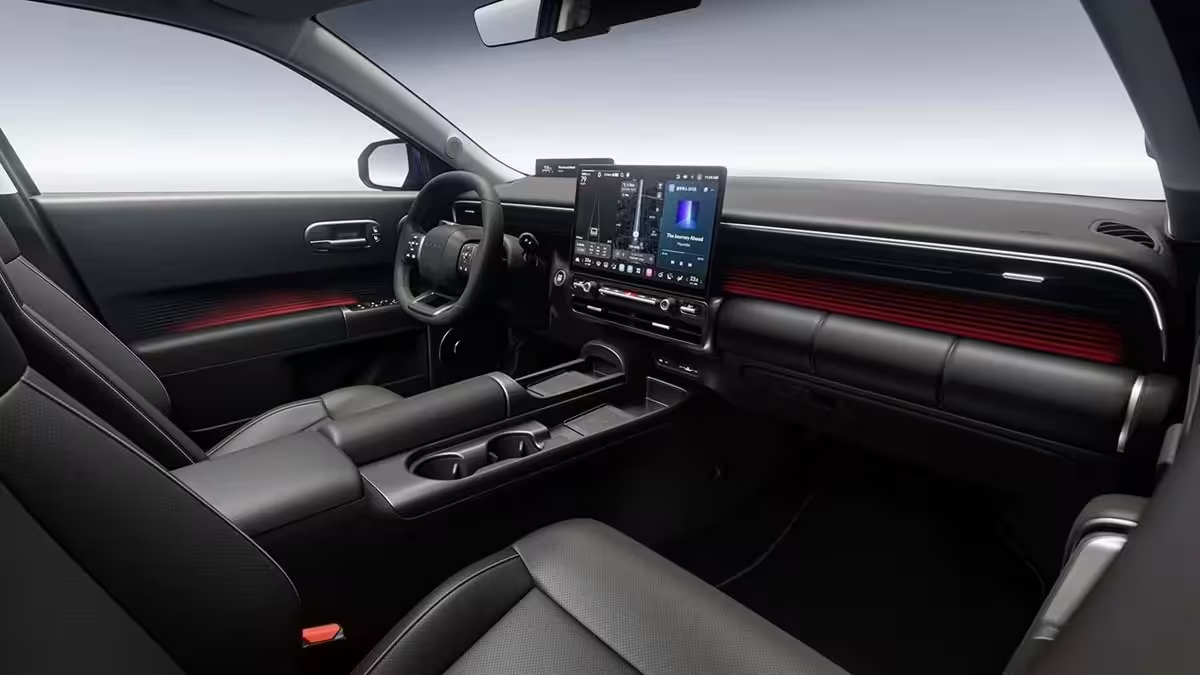
Interior: closer to Sonata-level refinement
Inside, the Elantra takes a clear step up. Hyundai fitted the cabin with soft, cushion-like surfaces on the passenger side, ambient lighting across door panels and dashboard, and physical control buttons where many rivals have gone full touchscreen. Standard infotainment is the new Pleos system, Android-based, with a 12.9-inch touchscreen and an optional 14.6-inch upgrade for buyers who want a more tablet-like interface. Thankfully, Hyundai keeps tactile switches for frequently used functions instead of burying everything inside menus.

A compact horizontal digital instrument cluster sits directly in the driver’s line of sight, and Hyundai has taken a playful approach on the steering wheel by replacing the conventional logo with four dots representing the letter H in Morse code. The shift lever has been relocated behind the steering column, freeing up the lower center console; this space now houses two wireless charging pads and additional storage.
Highlights of the cabin:

- Ambient lighting and premium door-trim materials
- Two large cupholders and retained physical controls
- Optional 14.6-inch infotainment screen (standard 12.9-inch)
- Small horizontal digital cluster and unique steering-wheel motif
Powertrains and new features
For the South Korean market, Hyundai offers the eighth-generation Elantra with a naturally aspirated 2.0-liter engine producing 147 hp—an increase of about 25 hp versus the outgoing base unit. A 1.6-liter hybrid variant pairs a gasoline engine with an electric motor to deliver a combined output around 155 hp.
New to the hybrid is a "Stay Mode" that allows occupants to use battery energy to run the climate control and infotainment systems while the engine is off—handy for tailgating, waiting, or charging stops.
Performance enthusiasts should note that, as with past generations, an N-badged performance variant is expected. Hyundai says the standard lineup will arrive first, with a high-performance N model to follow at a later date.
Market positioning and why it matters
Hyundai’s strategy with the 2027 Elantra is clear: elevate the compact sedan so it competes not only on price and efficiency but also on perceived quality and technological content. By increasing interior space, improving materials, and adding advanced infotainment, Hyundai aims to attract buyers who might otherwise consider larger sedans or premium-badged compact models.

This repositioning reflects broader market trends where mainstream brands add more features and room without dramatically raising price points—keeping high-volume segments attractive even as crossovers dominate sales.
"The new Elantra brings Sonata-like space to the compact class," Hyundai representatives said during the reveal, emphasizing the brand’s push to offer more value in segment stalwarts.
Release schedule and final thoughts
Hyundai plans to launch the Avante in South Korea in the third quarter of 2026, with a wider global rollout following as the 2027 Elantra. Early impressions suggest the car will be a strong contender among compact sedans, appealing to buyers seeking a mix of practicality, modern tech, and bold design.
Key takeaways:
- Larger footprint and improved interior packaging make the Elantra feel more spacious
- Upgraded design and materials push it toward a more premium segment
- Pleos infotainment (Android-based) with up to a 14.6-inch screen, plus physical controls
- 2.0L NA engine (147 hp) and 1.6L hybrid (155 hp) with Stay Mode
- N-performance model expected later
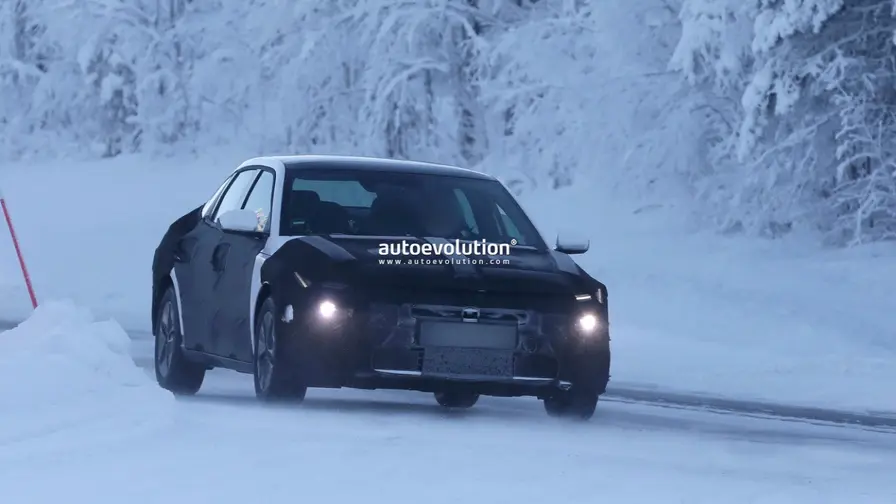
Whether you follow Hyundai for design daring or reliable value, the 2027 Elantra is a noteworthy step: it keeps the compact sedan relevant by adding size, technology, and a stronger visual identity. For buyers and enthusiasts watching the evolution of mainstream cars, this Elantra signals that manufacturers still see opportunity in refining and upgrading mass-market sedans rather than abandoning them entirely for SUVs.

Leave a Comment
Comments (2)
Nice size bump, nicer interior, but is this just an uptrim without soul? N model better bring excitement, otherwise feels safe, kinda bland.
Whoa that C-pillar is wild... Elantra basically got Sonata vibes. If price stays sane and build quality follows, this could be huge. rear legroom sounds legit tho