
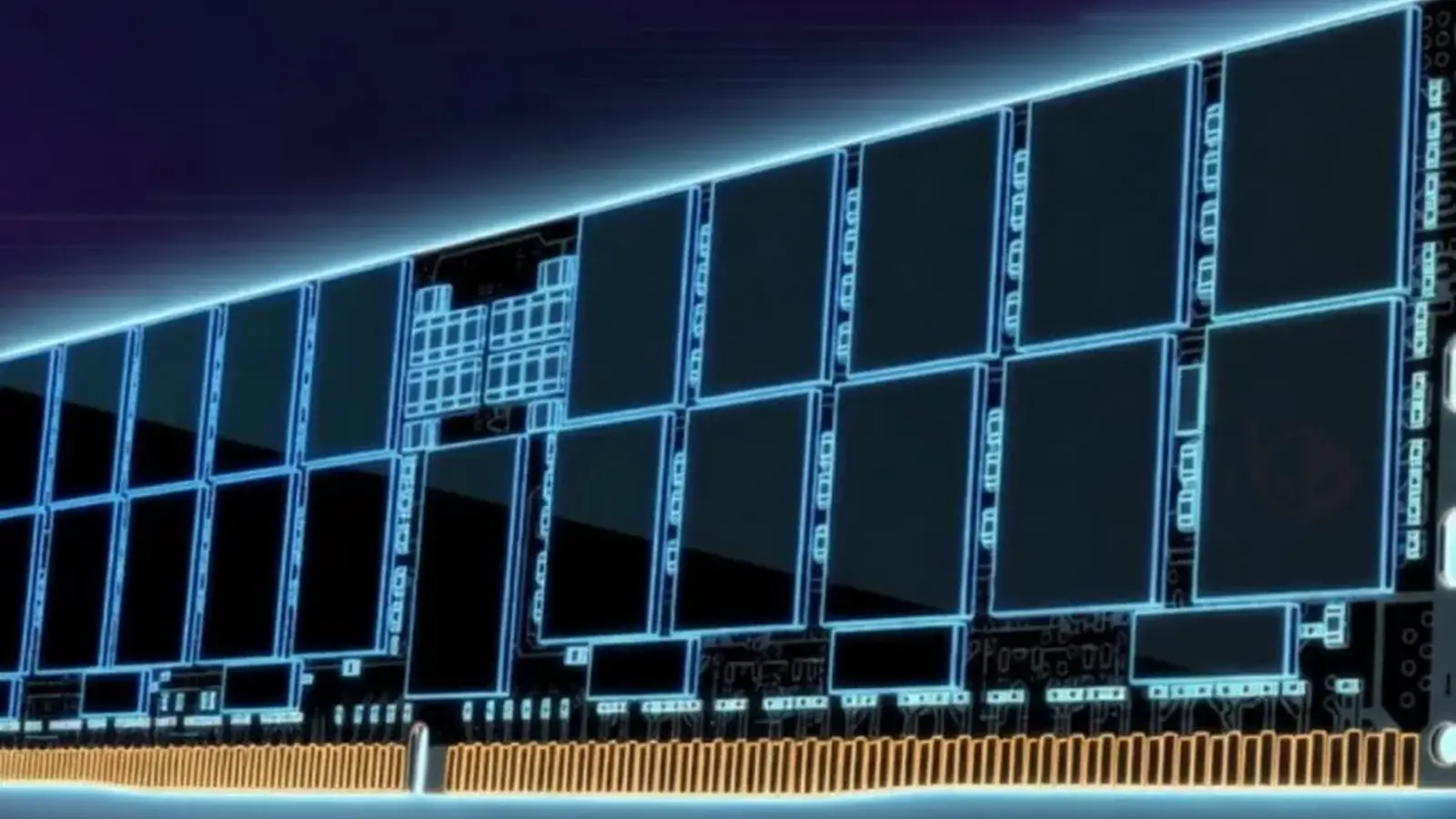
The bill for memory is getting heavier. One quarter you can buy a midrange laptop, the next its RAM alone looks like a luxury upgrade. That’s not fearmongering — it’s the market catching up with a supply squeeze that shows no sign of easing until at least 2028.
Analysts at Jefferies put numbers on the pain: they expect DRAM and NAND prices to jump 40–50% in Q3 2026 compared with the current quarter, then climb another 30–40% in Q4. For all of 2027 the firm projects a year‑over‑year rise in the 40–45% range. Finally, in 2028 the picture might brighten as new capacity brings a 15–20% increase in supply, but that cushion could be eroded by relentless demand from AI and high‑performance computing.
Why is this happening? Supply and commitments. The three big DRAM players — Samsung, SK Hynix and Micron — have signaled no quick fix, and the hoped‑for relief from Chinese manufacturers like CXMT hasn’t materialized as a wholesale price breaker. Meanwhile cloud providers and hyperscalers are locking down capacity with long‑term contracts, effectively reserving half of global output today and perhaps as much as 70% if current trends continue.

Those reservations matter because reserved capacity doesn’t flow into the consumer market. Micron alone has signed 16 strategic agreements to prebook supply for key customers. The result: fewer chips for PCs, laptops, consoles and phones, and higher retail prices across the board.
Reports that Apple is exploring Chinese memory suppliers underscore the scramble to secure parts. But Chinese DRAM and NAND makers are not yet undercutting global rivals; they sell at roughly comparable prices and primarily serve domestic demand. The prospect of China reshaping global inventories hinges on the speed of its factory buildouts — a multiyear endeavor that will likely only bear international fruit by 2028 when CXMT and YMTC scale up their next phases.
Put simply: the market will stay tight through the end of 2026 and into 2027. Contract prepayments and cloud‑scale demand have soaked up much of the available capacity, while building new fabs takes time and capital. If fresh lines add 15–20% more supply in 2028, prices could cool, but whether that relief offsets booming AI workloads is an open question.
For consumers and OEMs the near term means higher component bills and tougher product planning. For investors and industry watchers, the real story is how supply strategy, geopolitical shifts and the voracious appetite of AI compute will redraw the memory landscape as we head toward 2028.

Leave a Comment
Comments
No comments yet. Be the first.