
5 Minutes
Ferrari’s electric Luce sells through initial allocation in China
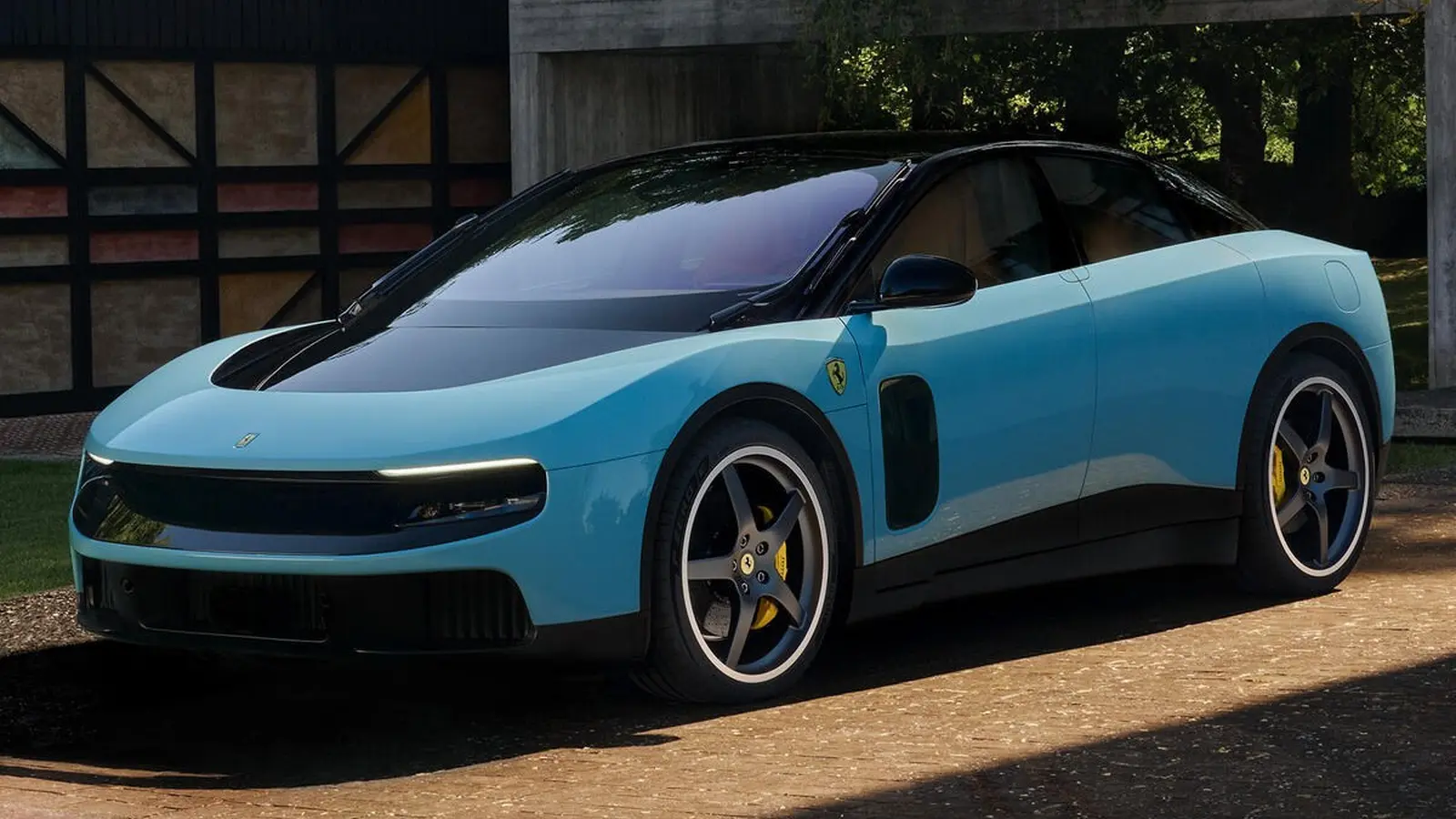
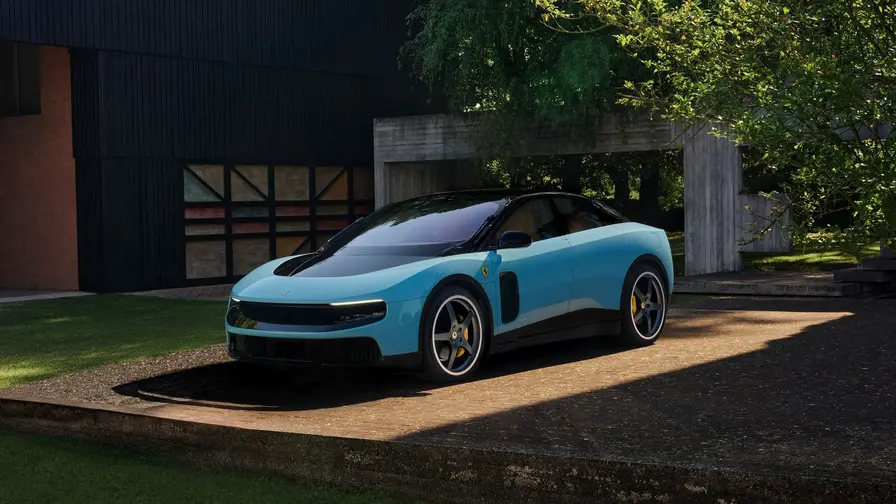
Ferrari’s first fully electric model, the Luce, has proven that controversy online doesn’t always translate to commercial failure. Despite heated debate over its design after the global reveal, the Italian marque’s four-door battery-powered sedan saw its initial Chinese allocation snapped up almost immediately. The move underlines how brand cachet, exclusivity and cultural nuance can trump internet criticism in the world’s largest auto market.

Sales snapshot and market rollout
Launched in China with a listed retail price of RMB 3,988,000 (about $586,600), the Luce reportedly sold out of an initial 88-unit allotment within hours, according to regional auto outlets. Beijing Business Today later noted that at least one Beijing dealer was still accepting orders ahead of official showroom launch events scheduled for July 3–5, 2026. That momentum suggests Ferrari has found a receptive audience in China for a premium electric Ferrari, even as Western commentary remains mixed.
Price strategy: more cultural signal than simple math
One surprisingly deliberate element of Ferrari’s China approach is pricing. The Luce’s Chinese sticker is roughly 7% lower than its listed European price of $644,000 — a move that may have less to do with currency or tariffs and more with local marketing strategy. The chosen number, 3,988,000, resonates strongly with Chinese buyers through homophonic numerology: 3 (shēng) evokes life and growth, 9 (jiǔ) suggests longevity, and double 8s (88) symbolize prosperity and double-happiness. Put together, 3-9-8-8 reads as a poetic wish for enduring fortune, a message that clearly appeals to luxury buyers who treat cars as status symbols.
- Allocation: 88 units (symbolically significant)
- Price in China: RMB 3,988,000 (~$586,600)
- Europe listed price: ~$644,000
This culturally informed pricing strategy helped reposition a headline-grabbing price into an emblem of prestige, converting sticker shock into desirability for an elite segment that places value on symbolism as much as specifications.
Design controversy and corporate fallout
The Luce’s global debut in Rome stirred corporate turbulence. The four-door sedan—styled by former Apple designer Jony Ive—diverged from Ferrari’s traditional low-slung, aggressive silhouette. Some critics called the shape too practical and understated for a brand synonymous with racetrack form and dramatic, performance-first aesthetics. The backlash contributed to a one-day stock drop of more than six percent.
That episode coincided with internal changes: long-time chief marketing officer Enrico Galliera was replaced by Massimiliano Di Silvestre, formerly of BMW’s Italian division. Before stepping down, Galliera publicly denied financial media claims that dealerships were pressuring customers to buy the Luce to retain their place on waiting lists for limited-edition hypercars. Ferrari maintained that the Luce was aimed at expanding the brand’s buyer base rather than being a bait-and-switch for collectors.

Not a supercar — a grand tourer for a different buyer
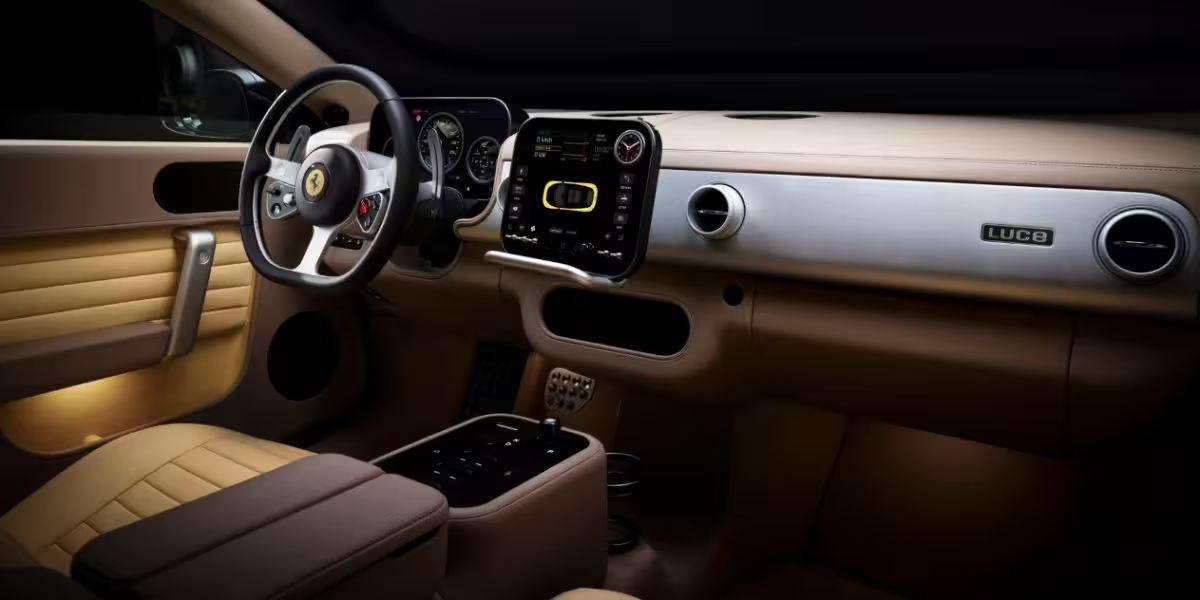
Crucially, Ferrari didn’t intend the Luce to be a conventional supercar. It’s a practical five-seater grand tourer—a category unusual for Ferrari outside the Purosangue SUV—designed to offer everyday usability alongside the prestige of the prancing horse. That repositioning has confused some purists but clearly found favor among buyers seeking a luxurious, comfortable electric sedan with a storied badge.
Where the Luce stands against Chinese EV rivals
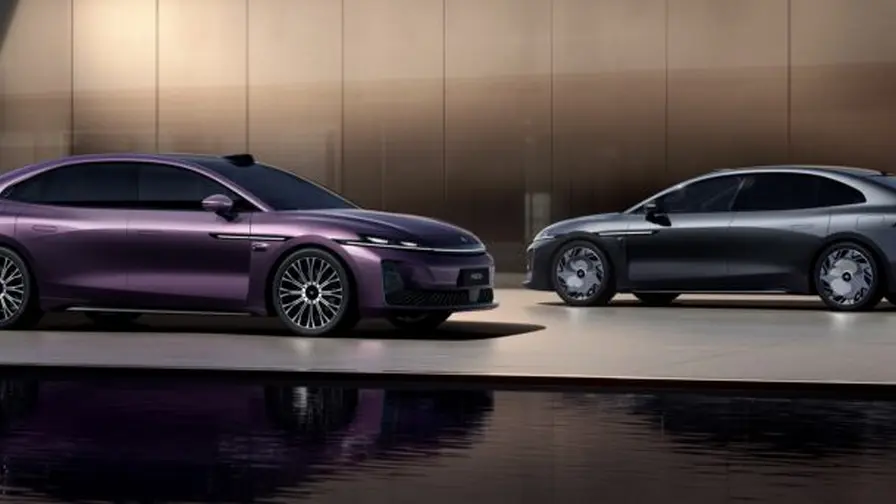
From a purely technical perspective, domestic Chinese rivals offer intense competition. Local manufacturers have rapidly advanced EV technology, often delivering impressive performance and value at lower prices.
- BYD’s Yangwang U9: Positioned as an electric supercar, it costs roughly half the Luce’s price while promising faster charging, quicker 0–62 mph acceleration and over 200 more horsepower in some trims.
- GAC’s Hyptec SSR: Starts at RMB 1,286,000 ($189,200). A top-spec SSR claims 0–62 mph in around 1.9 seconds, making three SSRs theoretically affordable for the cost of one Luce.
Yet industry observers note that buyers who choose imported, ultra-luxury models are often not simply comparing raw specs or price-per-horsepower. For China’s wealthiest customers, an imported Ferrari remains a strong status signal — “4 million RMB on wheels,” as some local media put it — instantly identifying the owner as part of the country’s top one percent.
Perceived value vs. technical value
Even as domestic engineering leaps forward, legacy European badges carry an emotional resonance for certain buyers. Performance benchmarks and charging times matter, but so do exclusivity, craftsmanship, and the social signal transmitted by an imported marque. For many ultra-wealthy customers, those attributes outperform the pure engineering merits of local rivals.
What the Luce’s success reveals about China’s luxury EV market
The Luce’s quick uptake offers several broader takeaways for manufacturers and market watchers:
- Electric powertrains are broadly accepted among luxury buyers in China as the direction of modern motoring.
- Brand pedigree and crafted exclusivity still command premium valuations despite capable local alternatives.
- Cultural fluency — from numerology to tailored allocations — can materially influence demand for high-ticket items.
In short, the Luce demonstrates that the transition to electric propulsion does not erase the value of heritage brands. Instead, it shifts the battleground: design and technology remain important, but marketing choices and cultural alignment can determine whether a luxury EV becomes a desirable status purchase or an online punchline.
Final note
Ferrari’s Luce is a case study in modern premium automotive strategy: an electric vehicle that stirred design controversy in the West yet sold out its symbolic Chinese allocation thanks to well-placed pricing, brand cachet and an understanding of local luxury signals. Whether the Luce will reshape Ferrari’s long-term identity or simply open a new niche for affluent electric buyers remains to be seen, but for now Beijing’s elite have voted with their wallets.
"The Luce shows that in luxury markets, cultural nuance and exclusivity often matter as much as the engineering under the skin," said a market analyst familiar with China’s high-end automotive buyers.

Leave a Comment
Comments (2)
Is this even true? 88 cars, lucky numbers, PR spin maybe. Or actual demand? curious who buys an EV Ferrari for status not speed
Okay wow, Ferrari makes a 4-door EV and it sells out? wild. Symbolic pricing, celeb cachet and exclusivity beat specs apparently. If that's real...