
2 Minutes
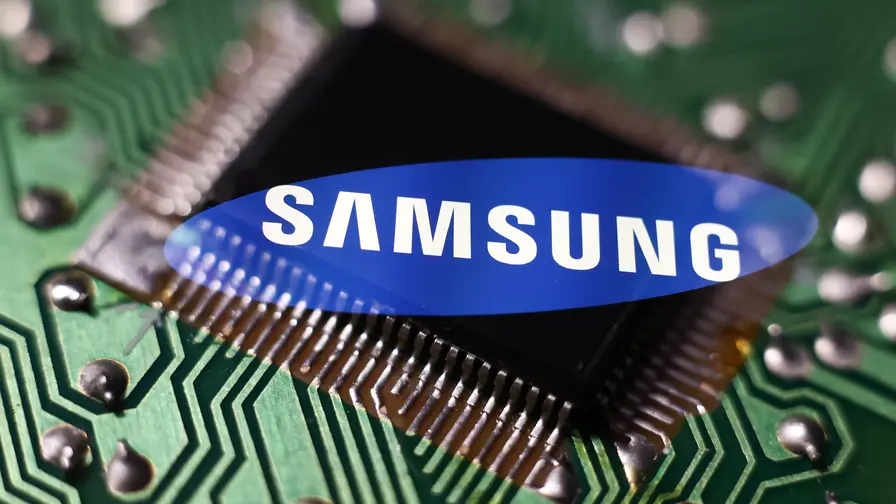
Think of it as Samsung placing a very large bet on Korea’s industrial future. The company announced roughly KRW 140 trillion, about $90 billion, destined for the Chungcheong region — money earmarked for OLED development, high-bandwidth memory, next-generation batteries and sophisticated semiconductor packaging substrates.
The investment is spread across Samsung Display, Samsung Electronics, Samsung Electro-Mechanics and Samsung SDI. Together, the plan is expected to catalyze the creation of roughly 250,000 jobs, a figure that reads more like an industrial pivot than a hiring spree.
Samsung Display will scale up its Asan campus to expand OLED output for an unusually broad roster of devices: cars, humanoid robots, laptops, monitors, smart glasses, phones, watches and XR headsets. The idea is clear — make premium panels not just for phones, but for the whole hardware ecosystem that will drive the next decade.
Samsung Electronics is building a next-generation HBM production hub with five new manufacturing lines across Chungcheong and Onyang. HBM demand surged with the AI wave, and capacity remains the choke point. More lines means more chips that can feed large language models and datacenter accelerators — and billions in potential revenue if yield and timing line up.
In Sejong, Samsung Electro-Mechanics will beef up production of advanced packaging substrates for AI servers, while investing in R&D and regional talent. Packaging has quietly become a competitive frontline in the chip race; stacking and interconnect technologies now matter as much as raw transistor density.
Samsung SDI will expand its Motherline facility in Cheonan to accelerate standardization and commercialization of next-gen battery technologies. Better batteries power everything from electric vehicles to wearable devices, and scaling Motherline is Samsung’s attempt to keep supply and innovation close to home.
This concentrated push could reshape supply chains, strengthen domestic high-tech ecosystems and lock in a new chapter of Korean industrial leadership. The question now is how quickly global demand, skilled labor and component suppliers can align with Samsung’s timetable — and whether competitors will respond in kind.








Leave a Comment
Comments
No comments yet. Be the first.