

2 Minutes
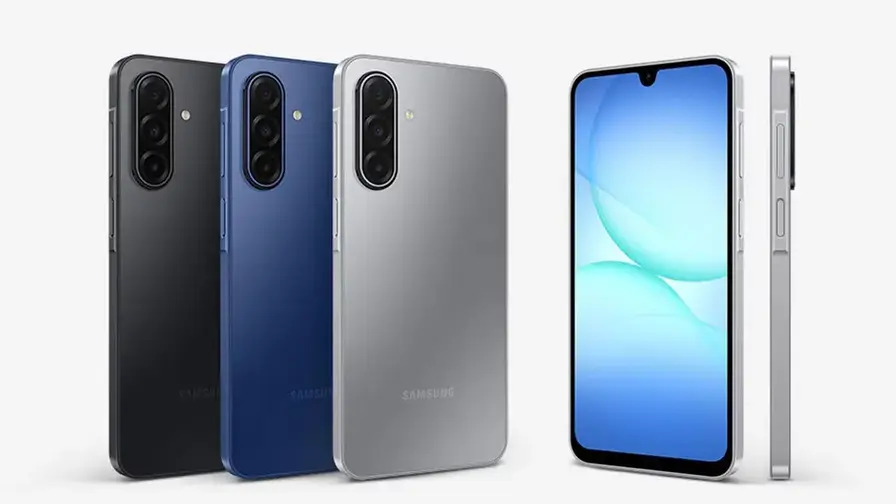
Think of the Galaxy A18 as Samsung adjusting its playbook rather than rewriting it. Rumors now point to a practical change under the hood: the 5G A18 will ditch Samsung's Exynos in favor of a Qualcomm Snapdragon, while the 4G variant keeps a MediaTek chip—following the path set by the A16 4G and A17 4G.
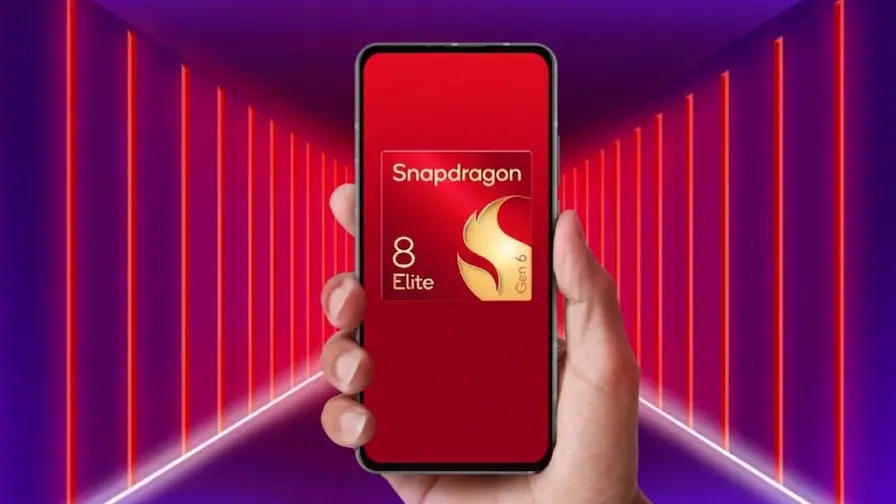
Samsung appears to be swapping its own Exynos silicon for Qualcomm's Snapdragon in the A18 5G. That decision seems driven less by a dramatic leap in speed and more by tighter cost control. Still, Qualcomm’s modem tech and power efficiency have a reputation that matters in everyday use—better connectivity and smoother battery behavior often translate to a noticeably improved user experience even if raw CPU benchmarks tell a modest story.
Production cues are already leaking out. The A18 4G (model SM-A185F) is reportedly slated for mass production as soon as August 2026, starting at roughly 100,000 units per month before ramping up. The 5G model is expected to follow several months later, which suggests Samsung is staging the rollout to match regional demand and component availability.

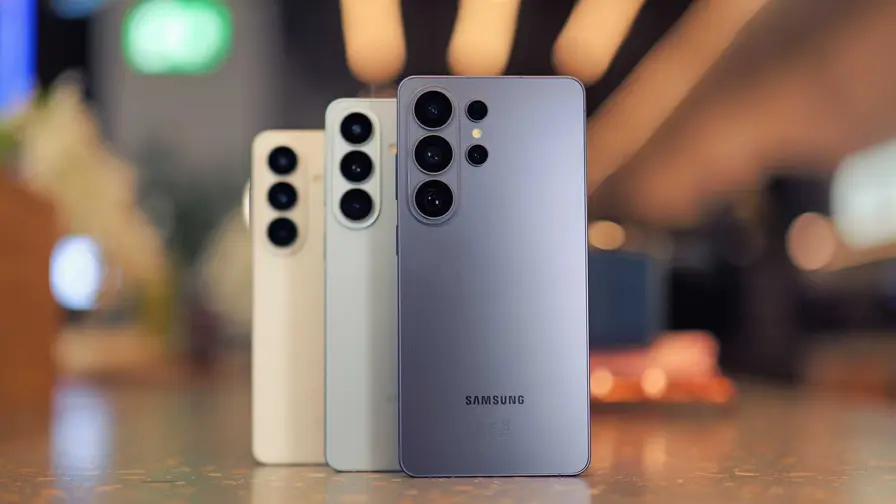
Specs remain unofficial, but the A-series track record gives us a reliable template: think a large 6.7-inch Super AMOLED, a 90Hz refresh rate, a 50MP main camera, and a 5,000mAh battery with 25W charging. An IP54 rating and Samsung’s generous software promise—often up to six years of OS and security updates—are likely to remain key selling points for buyers who want longevity without a flagship price.
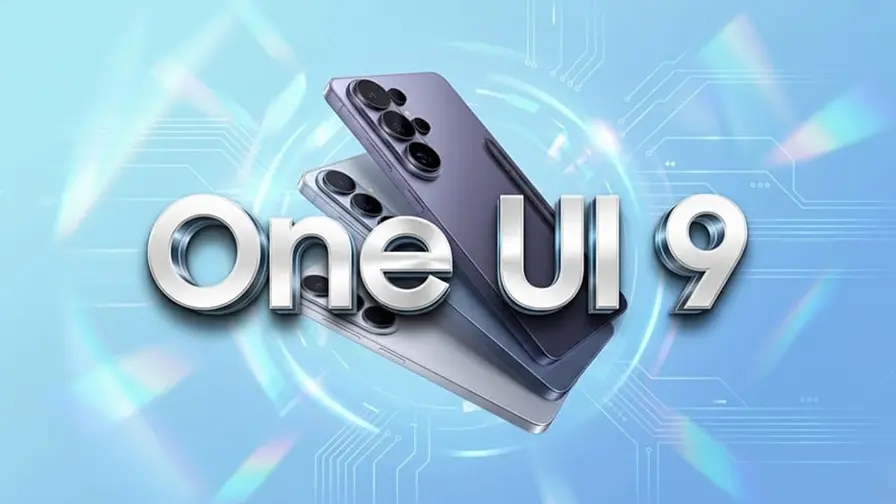
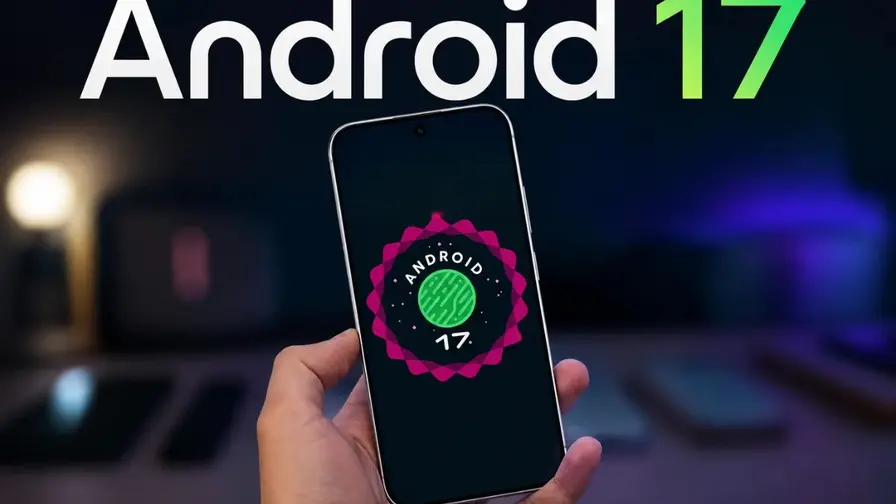
Firmware work for the A18 4G is already underway, with signs the phone could ship on Android 17 with One UI 9. That pairing would bring fresher AI features and interface tweaks out of the box, rather than as later upgrades. A sleeker exterior and small design refinements have been whispered about too, but we'll need official images to separate rumor from reality.
Why this matters beyond specs: the midrange market has become brutally competitive, especially with Chinese brands offering aggressive hardware-for-price ratios. Samsung’s approach here feels deliberately pragmatic—use proven MediaTek silicon where 5G isn't the focus, and lean on Qualcomm where 5G credibility and modem efficiency count.
Expect more clarity on the exact Snapdragon and MediaTek models, display technology, camera sensors, and regional pricing as we approach launch. For now, the A18 looks like another calculated move by Samsung: incremental, sensible, and aimed at keeping the A-series familiar yet more efficient.




Leave a Comment
Comments
No comments yet. Be the first.