
4 Minutes
Huawei didn’t bring fireworks to Malaysia — it brought incremental polish. Small but sensible changes across audio and tablet lines might not turn heads, but they quietly solve everyday annoyances.
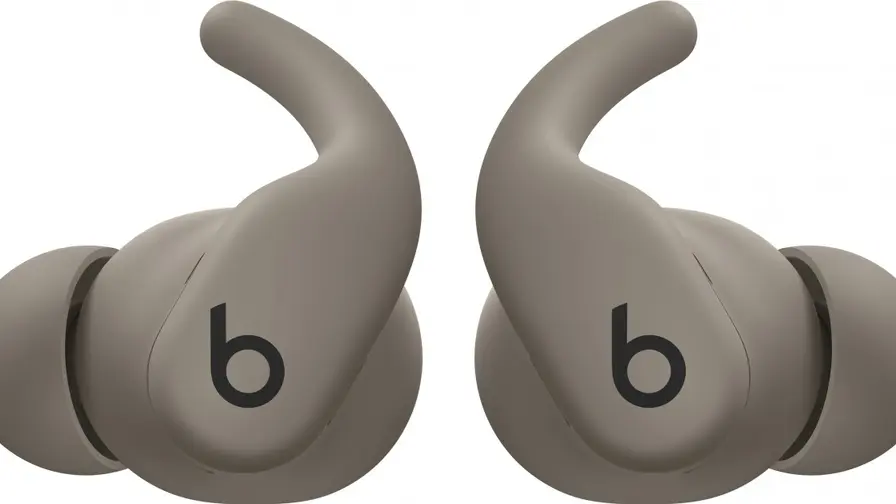
Take the FreeClip 2 S Signature Edition. On paper these are familiar: open-fit buds with dual-diaphragm drivers, three mics devoted to noise cancellation, and roughly nine hours of playback on a single charge. With the charging case, you’re looking at about 38 hours of listening. Nothing revolutionary. Yet the listening experience feels smarter now.

That extra intelligence comes from an updated Adaptive Volume algorithm running on Huawei’s third-generation audio chip, which carries a dedicated NPU for on-device AI. In practice the buds shift volume and vocal presence in real time as the ambient sound changes — very handy for open-fit designs that don’t seal the ear canal. The idea is simple: you shouldn’t have to fumble for the volume rocker when a noisy street or a sudden hush arrives.

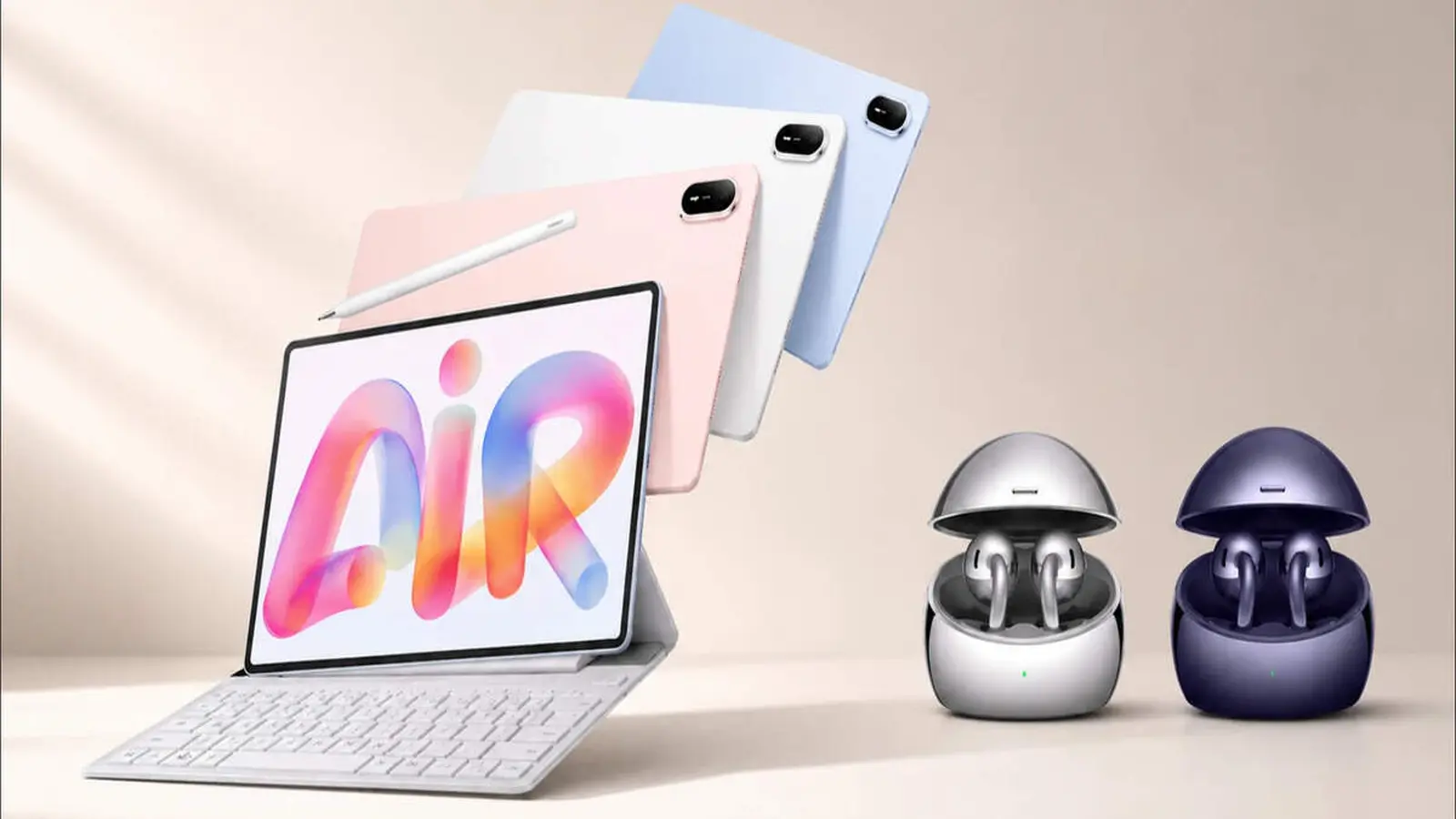
Huawei has also refreshed the aesthetics. The FreeClip 2 S arrives in Deepsea Blue and Space Silver and gains optional clip-on accessories from French jewelry house Les Néréides. Those decorative clips transform the earbuds into a fashion statement and the charging case has been slightly upsized to house them comfortably. For buyers who like a bit of flair, that partnership will be the headline feature.

Pricing is modestly promotional: an introductory price of £169 runs from July 14 to August 17, after which the earbuds revert to £199. There’s also a limited-edition bundle for £199 that includes a pair of Les Néréides clip-ons, which explains why Huawei leaned into accessory compatibility as a selling point.

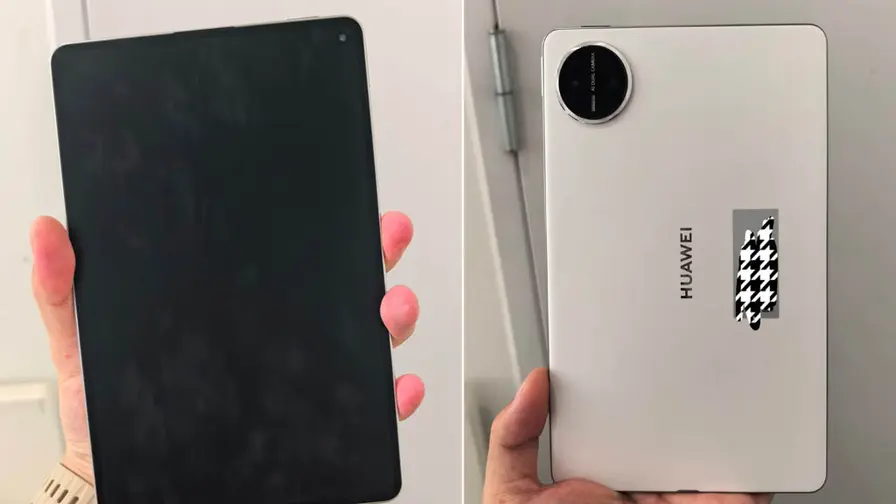
The MatePad Air (2026) takes a similar tack: not a reinvention but a meaningful refinement. The standout change is the screen. For the first time the Air model borrows the PaperMatte OLED finish from the MatePad Pro family. The 12-inch display keeps its 2800 x 1840 resolution and a 144Hz refresh rate, but the matte coating shifts the tablet’s personality toward reading and stylus work, cutting glare and lending a paper-like texture that creatives and heavy readers will welcome.
The MatePad Air’s new PaperMatte OLED is the clearest upgrade: it turns a productivity slate into a more comfortable canvas for long sessions.
Huawei still offers a standard OLED option for buyers who want a lower price point. Internally, the device runs on the Kirin T93C chipset and retains a 10,100 mAh battery with 66W fast charging. Those are steady specs that keep the Air competitive without chasing extreme benchmarks. Huawei also touts “Pro-level AI features” enabled by the chipset — think smart productivity tools and creative assistance rather than headline-grabbing breakthroughs.

Design tweaks are subtle but welcome: thinner bezels, a 5.3mm profile, and fresh colors — Airy Blue, Sakura Pink and White — that aim to broaden appeal. The base 8GB/256GB non-PaperMatte model is priced at €849 and ships with a keyboard. For €50 more you can opt into the PaperMatte edition, which includes either a keyboard or the M-Pencil Pro. If you want extra RAM, the 12GB model with a keyboard jumps to €999.

What these updates say about Huawei’s strategy is obvious: iterate where it matters. The FreeClip 2 S tightens user-facing audio behavior with machine learning at the edge, while the MatePad Air borrows premium display tech to make reading and drawing a quieter pleasure. No category is being upended. Instead, the company is smoothing rough edges — and sometimes that’s the kind of upgrade that gets used every single day.
Whether a modest spec bump and a jewelry collaboration are enough to tip you toward an upgrade depends on how much value you place on ergonomics and daily convenience. If you spend long hours on a tablet or hate reaching for volume, these feel like practical wins.

Leave a Comment
Comments (2)
Nice polishing but feels like an update to justify price. Les Néréides clips are cute, still wish battery life got a real bump, idk
Wow, didnt expect Huawei to be so subtle. Small useful fixes that actually add up. Curious if the adaptive volume eats battery tho, anyone tried?