
3 Minutes
Apple is tinkering where it counts: under the glass. The iPhone 18 Pro and Pro Max, expected at a September reveal, look familiar at first glance but carry a string of hardware changes that nudge the design and performance needle in meaningful ways.
Rumors point to three models: iPhone 18 Pro, iPhone 18 Pro Max and an ambitious foldable called iPhone Ultra. Timing appears to be mid-September. The visual shorthand won’t scream “new” — edges, sizes and silhouettes stay close to last year — yet Apple’s attention is on the parts you don’t notice until they make a difference.
Moving the Face ID emitter under the display paves the way for a smaller Dynamic Island and cleaner front glass. Shorter cutouts. A more seamless screen. That one relocation alone changes the front-end user experience: less intrusion, more usable real estate.
Screen tech gets an efficiency upgrade, too. Both Pro models are said to adopt +LTPO panels that dial down power draw without sacrificing refresh rate. The result is simple: better battery life, especially in day-to-day use when peak performance isn’t required.

On the camera side Apple appears to be widening its creative toolbox. The 48-megapixel main sensor will reportedly gain a variable aperture, giving photographers finer control over exposure and depth of field. In other words: more usable options for low-light shots and portrait work without always leaning on computational fixes.
Under the hood, the A20 Pro chip is the headline. Built on TSMC’s 2nm process, it promises higher energy efficiency and faster throughput. Expect meaningful battery and thermal benefits, not just raw benchmark bragging rights. Paired with that is a proprietary C2 modem designed to extend 5G connectivity to satellite links — a feature aimed at keeping you online when traditional networks fail or aren’t available.
Connectivity doesn’t stop there. A new N2 radio chip is in play to bolster Wi‑Fi 7 and Bluetooth 6 support, bringing lower latency and more reliable local links for accessories and smart-home gear. Small hardware changes compound into a smoother daily experience.
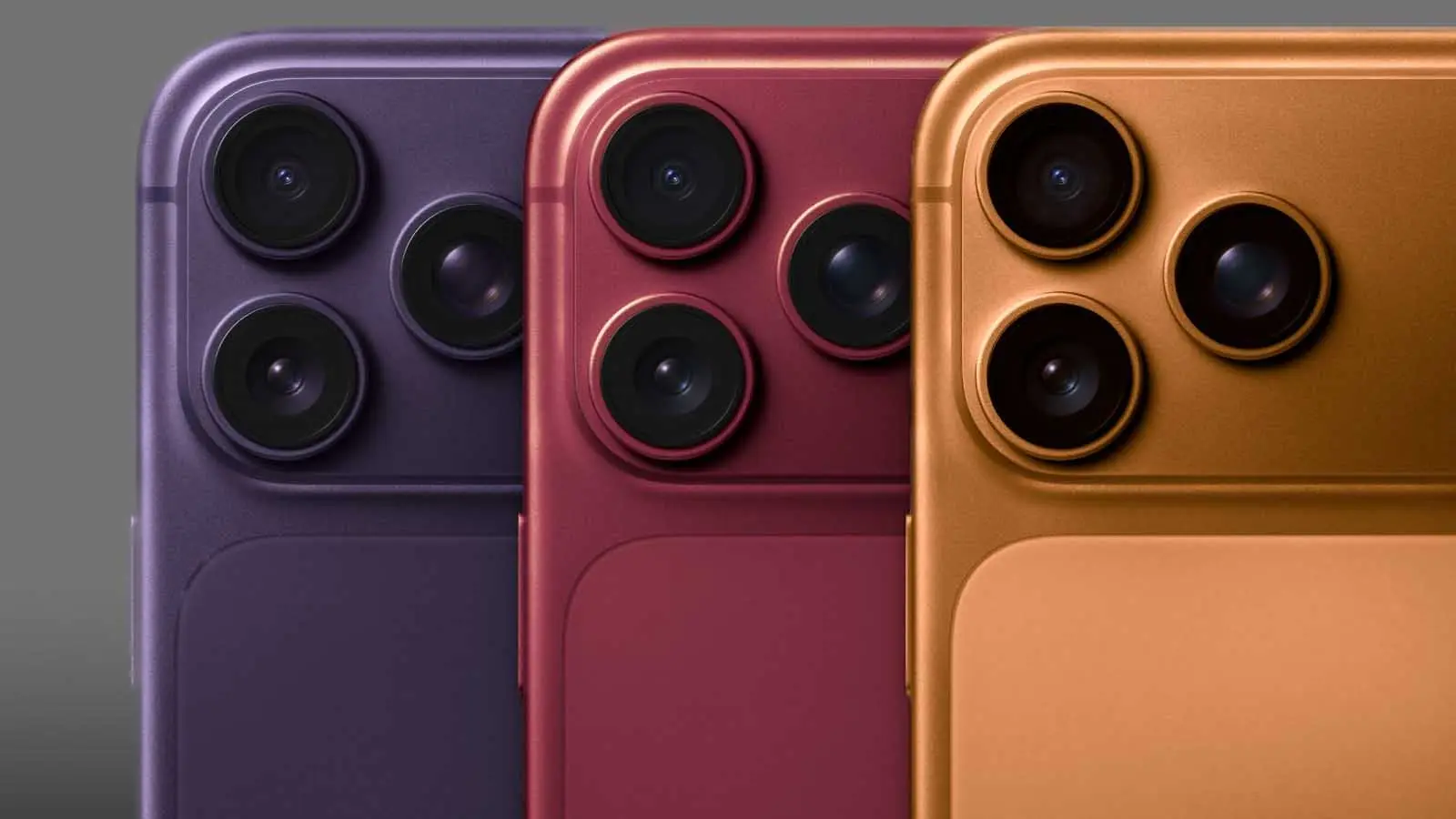
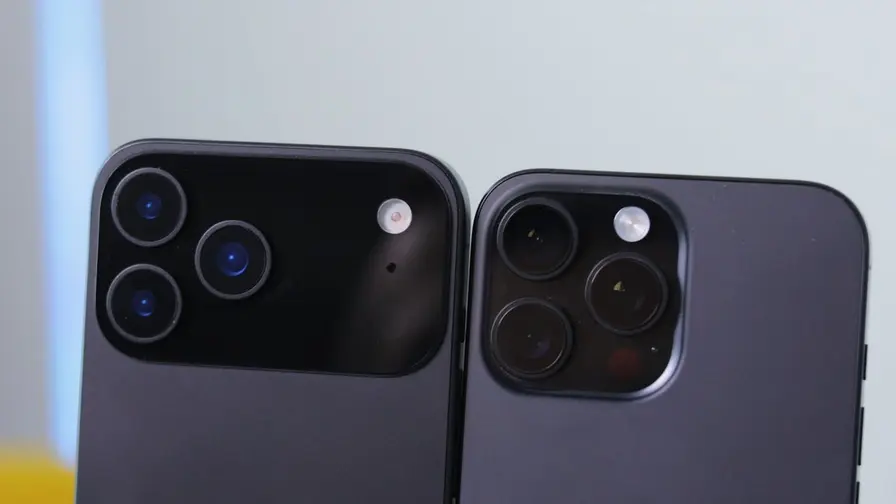
Design tweaks include a Dark Cherry color option and the removal of haptic feedback on the physical camera control, simplifying the tactile interface. Ceramic Shield has been reworked for renewed durability, and the Pro Max model is expected to ship with about 10% larger battery capacity and a slightly thicker chassis to house it. The rear will adopt a more integrated look, moving away from modular camera islands toward a unified back panel.
There’s talk of higher base RAM, which could push the entry price of the Pro model to around $1,399. That’s not a cosmetic change; it’s Apple repositioning hardware around performance expectations and customer workflows.
For quick reference, the key hardware changes that keep coming up are listed below.
- Smaller Dynamic Island (Face ID emitter under display)
- +LTPO displays for improved power efficiency
- 48MP main camera with variable aperture
- A20 Pro chip on TSMC 2nm process
- Proprietary C2 modem
- 5G over satellite connectivity
- N2 communications chip for Wi‑Fi 7 and Bluetooth 6
- New Dark Cherry color option
- Simplified camera control (no haptic feedback)
- Redesigned Ceramic Shield
- Approximately 10% larger battery on Pro Max
- Thicker, more integrated rear body
Will every rumor survive Apple’s engineering gauntlet? Probably not. But taken together these changes suggest a refresh focused less on flashy new forms and more on how the phone behaves: quieter screens, smarter power profiles, deeper connectivity and camera flexibility that feels more analog than purely computational. If Apple nails the implementation, the iPhone 18 Pro generation could be one of those iterative yet consequential years that quietly raise expectations for what a phone should do next.

Leave a Comment
Comments (2)
Okay smaller Dynamic Island and variable aperture? Finally some thoughtful tweaks. If battery and 5G satellite work, I'm in
Under-display Face ID? sounds cool but is it gonna be reliable in real life. 2nm A20 Pro sounds dreamy, but yields and heat, idk