
2 Minutes
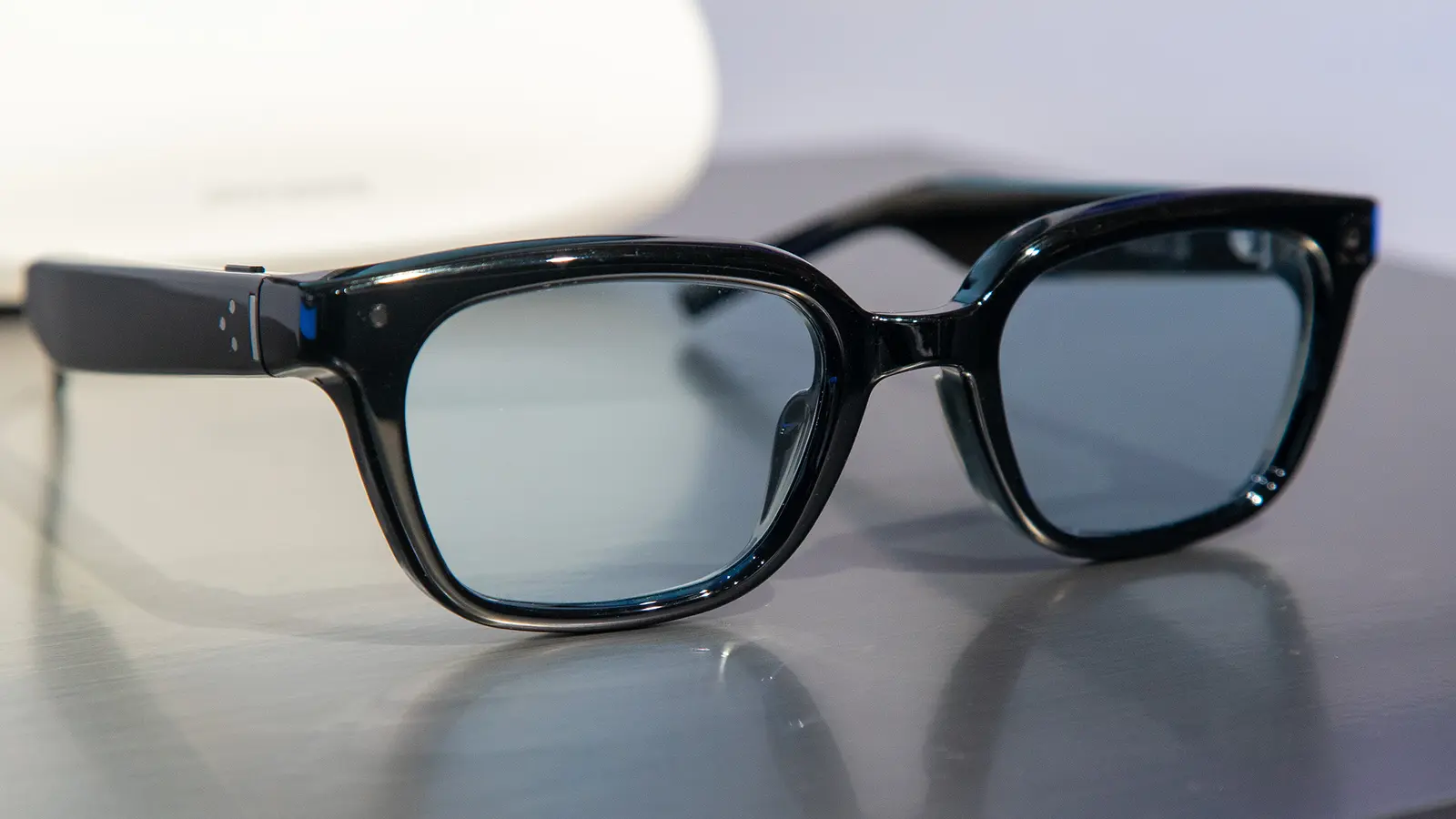
If you’ve ever felt uneasy around someone wearing tech you can’t see into, Samsung just made that anxiety a little harder to hide. At its recent Unpacked event the company unveiled AI-powered smart glasses running Android XR, and buried inside the specs is a small but deliberate privacy feature: a camera LED that turns on whenever the glasses are recording or streaming.
The light kicks on for photos, video capture and even during video calls in apps such as Google Meet. It’s visible both to the person wearing the glasses and to anyone nearby. That visibility is the point. A tiny glow, visible to everyone in the room, signals when the device is actively collecting images or audio via the camera.
Samsung went a step further: if the LED is blocked — say you try to cover it with a sticker — the glasses will detect the obstruction and disable the camera entirely. It’s a blunt, effective safeguard. If you cover the LED, the camera shuts off — no exceptions.

The approach is reminiscent of moves by other wearable makers; Meta deployed a similar failsafe for its own frames. But the headline here isn’t novelty. It’s social friction: will a visible recording indicator actually change behavior in public spaces, or simply make people find more subtle ways to record?
From a product standpoint the decision makes sense. Smart eyewear lives at the crossroads of convenience and privacy risk, and a clear, hardware-based indicator reduces ambiguity. Engineers can tweak software all they want; nothing communicates intent faster than a light that’s plainly on or off.
There are still open questions. Samsung hasn’t announced a ship date, so we don’t know when everyday users will encounter this LED in the wild. Nor is it guaranteed to settle the debate about wearables and consent. But it’s a concrete step toward transparency — and in a market where mistrust can sink a category, transparency matters.
Expect more hands-on reports and tests once these glasses reach reviewers. Until then, that small LED already changes the conversation about what it means to wear a camera on your face.

Leave a Comment
Comments
No comments yet. Be the first.