
If you still think foldables are a boutique curiosity, the latest numbers will change your mind. Omdia's H1 2026 breakdown shows Samsung sitting in second place in the book-style foldable segment with an 18% share, well behind Huawei's dominant 57% stake.
Huawei controls more than half of the book-style foldable market. Honor, Oppo and Vivo trail with 9%, 7% and 6% respectively, while smaller brands make up the remaining 3%. Those figures make one thing clear: this is no longer a two-player skirmish—it’s a market with clear leaders and fast-moving challengers.
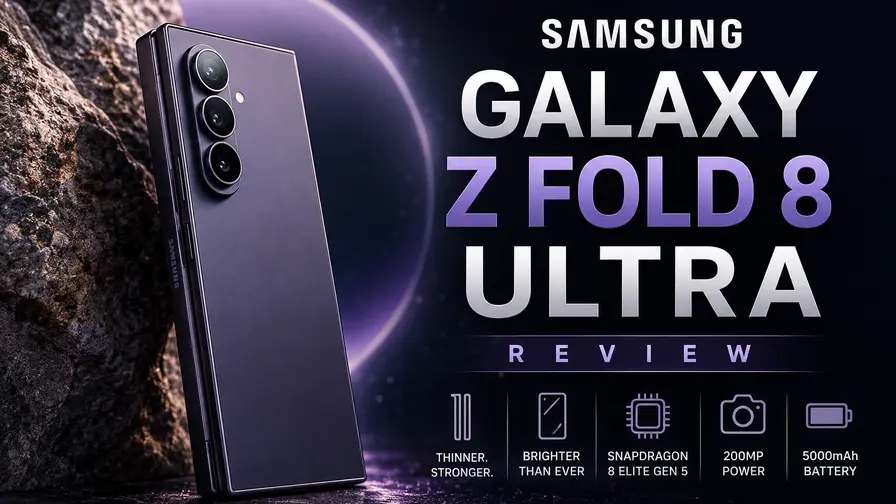
Why the tilt toward book-style devices? Wide-format foldables like Samsung's Galaxy Z Fold 8 offer tablet-sized screens in a pocketable frame. They fit different habits—productivity, multitasking, long-lform reading—and that versatility is translating into sales. Omdia reports book-style models accounted for 69% of total foldable shipments in the first half of 2026, even as flip-style shipments plunged 47% year over year.
Growth projections are bold. Omdia expects annual expansion north of 20% through 2028, forecasting roughly 36 million foldable units by then—about double the shipments seen in 2025. Durability improvements, falling component costs, and broader app ecosystem support are nudging these devices from early-adopter playground to mainstream consideration.

For Samsung, second place is both a win and a warning. The brand remains a global poster child for premium foldables, yet Huawei's commanding lead underlines how regional strength, supply-chain advantages and aggressive product portfolios can reshape leadership quickly. Meanwhile, Honor, Oppo and Vivo are chipping away with lower price points and wide distribution, especially in markets where value matters most.
The flip-style decline also signals a market preference shift. Compact clamshells grabbed headlines, but consumers increasingly favor larger, productivity-oriented screens that replace small tablets. That doesn't kill the clamshell; it simply narrows its role.
The next phase will be telling. Will manufacturing scale and software polish turn foldables into everyday devices, or will price and regional dynamics keep them niche? Watchmakers are placing big bets, and consumers will soon decide which designs deserve a permanent place in their pockets.

Leave a Comment
Comments
No comments yet. Be the first.