
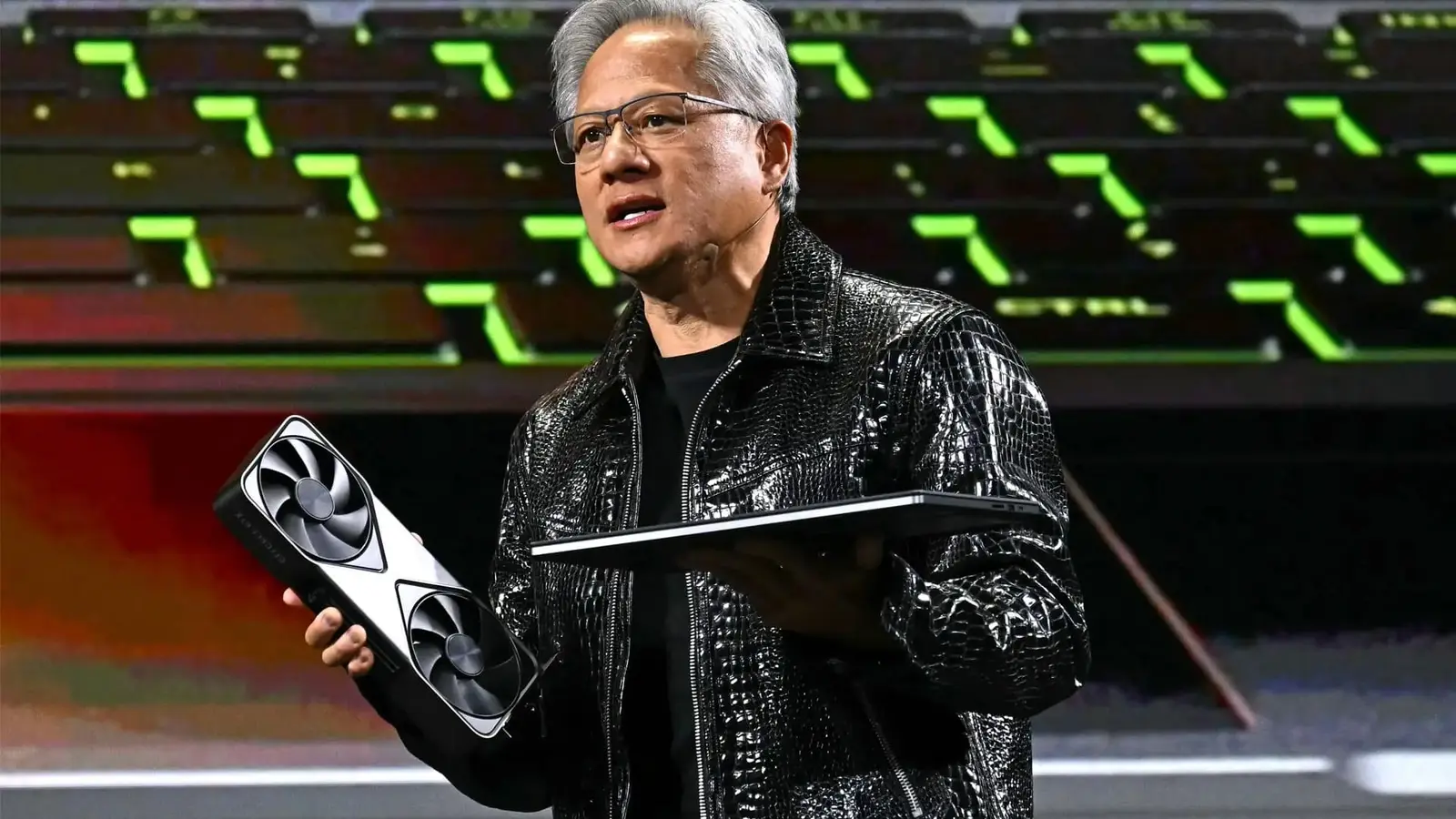
They just sent the notice. Short and stark. NVIDIA told its largest customers that AI‑optimized servers will cost more next year — notably, a jump north of 15 percent for many configurations.
At the heart of the shift is memory. DRAM prices have surged, and when the component that keeps AI accelerators humming gets expensive, the price of the whole machine follows. High-end systems like Vera Rubin and Grace Blackwell are the most exposed; how much your bill rises depends on the GPU generation and the memory layout chosen by the server builder.
OEMs that assemble machines for hyperscalers — the contractors that build racks for Microsoft, Google and Oracle — have already started quietly warning their customers. That whisper network is how price changes travel through the industry: from memory foundries to board makers, then into cloud contracts and procurement spreadsheets.
Think about leverage. A handful of DRAM suppliers — Samsung, SK hynix and Micron — control the flow of memory chips. They ramped up production, but demand from AI fits through a narrow neck. NVIDIA’s accelerators are dependent on DRAM capacity to deliver performance, and when supply is tight, leverage shifts downstream. Who pays? Often, it’s the companies deploying the data centers.

NVIDIA itself sits in an interesting position. It enjoys razor‑thin supply risks for its TSMC‑made dies and boasts gross margins that have hovered around 75 percent. Still, the company recently nudged GPU prices upward as well. Those moves show that even market leaders can’t fully insulate customers when adjacent markets — in this case, memory — spike.
Cloud giants are not idle. Amazon, Microsoft, Google and Meta have poured money into custom silicon projects, aiming to break dependency on third‑party accelerators. Yet building a chip is just one part of the puzzle. For the near term, many of those same companies remain reliant on NVIDIA hardware to ramp AI workloads in production.
Higher hardware costs arrive alongside other hurdles: a constrained labor market for data‑center builds, tighter access to financing for large capital projects, and local permitting or political resistance that slows construction. Add those up and the equation for expanding AI data centers grows more complicated — and more expensive.
Rising DRAM costs have shifted the balance of power—and the bill—to memory manufacturers and customers alike.
NVIDIA’s upcoming quarterly report will be watched closely. Investors and corporate planners want to see whether demand for AI systems still outpaces supply, and whether margins can withstand sustained component inflation. For procurement teams and cloud architects the immediate task is unpleasant but simple: model higher unit costs and decide which projects still pencil out.
Who ultimately absorbs the increase — providers, enterprises, or end customers — will shape how fast large‑scale AI deployments continue. The memory market is proving that hardware bottlenecks are not relics of the past. They are the throttle on tomorrow’s AI ambitions.


Leave a Comment
Comments
No comments yet. Be the first.