

Your next phone might carry a heftier price tag. Small parts, big consequences.
Xiaomi has quietly joined a growing list of smartphone makers that are passing rising component costs on to customers. The company told consumers via its Xiaomi Japan account on X that several phone and tablet models will see price increases, in some cases by as much as 20,000 yen — roughly $130.
Why now? Memory chips are the headline culprit. For months manufacturers absorbed higher bills to keep devices affordable. That buffer has thinned. Xiaomi says sharply higher memory prices and rising production costs have reached a point that the company can no longer swallow the increases without adjusting retail prices.
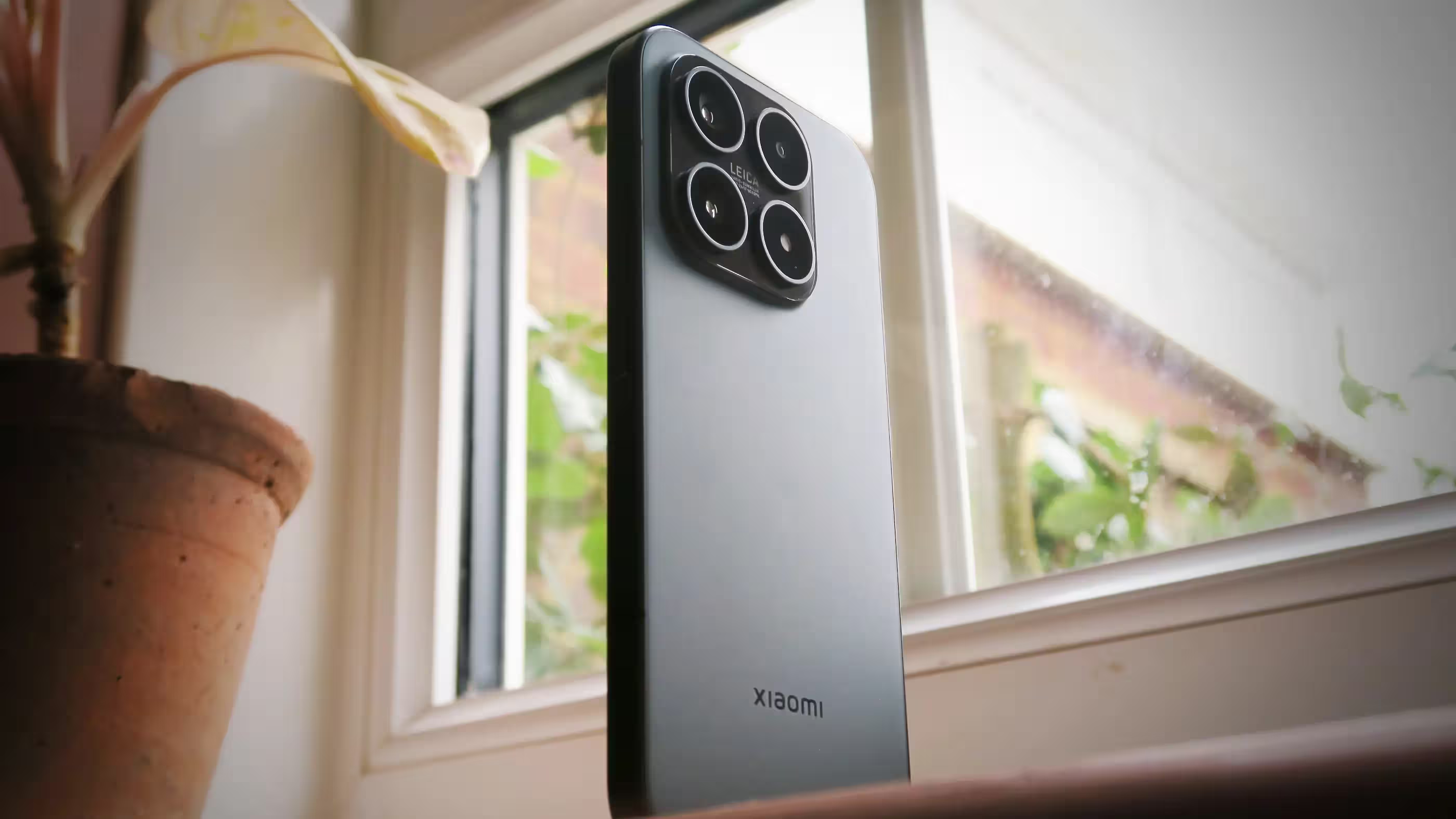
The changes touch multiple models across Xiaomi, Redmi and POCO lines. The Xiaomi 17T Pro with 12GB RAM and 256GB storage moves from 119,800 yen (about $754) to 139,800 yen (about $879). The 12GB/512GB variant climbs from 139,800 yen (about $879) to 159,800 yen (about $1,005). POCO models see comparable hikes: the POCO X8 Pro Max 12GB/256GB jumps from 79,980 yen (around $545) to 99,980 yen (around $681), while the 12GB/512GB version rises from 89,980 yen (about $613) to 109,980 yen (about $749). Several other POCO X8 Pro configurations will also be about 20,000 yen more expensive. Tablets will feel a lighter touch, with adjustments between 2,000 and 10,000 yen (roughly $12–$62).
New price lists will take effect on September 1 for Xiaomi and Redmi models and from September 4 for POCO devices, according to the announcement. Observers expect similar moves in other markets, not just Japan.
This isn’t an isolated decision. The entire Android ecosystem is navigating component inflation. Apple appears to be wrestling with the same pressures; rumors suggest the upcoming iPhone generation could arrive with higher price points. The sector-wide pattern is clear: memory and parts pricing are reshaping product pricing strategies across brands.
There are measurable consequences. Xiaomi’s smartphone business already showed strain in Q2 2026: revenue in the unit fell 7.5% year-on-year and shipments dropped about 26%. Those numbers help explain why the company has reached a tipping point on pricing.
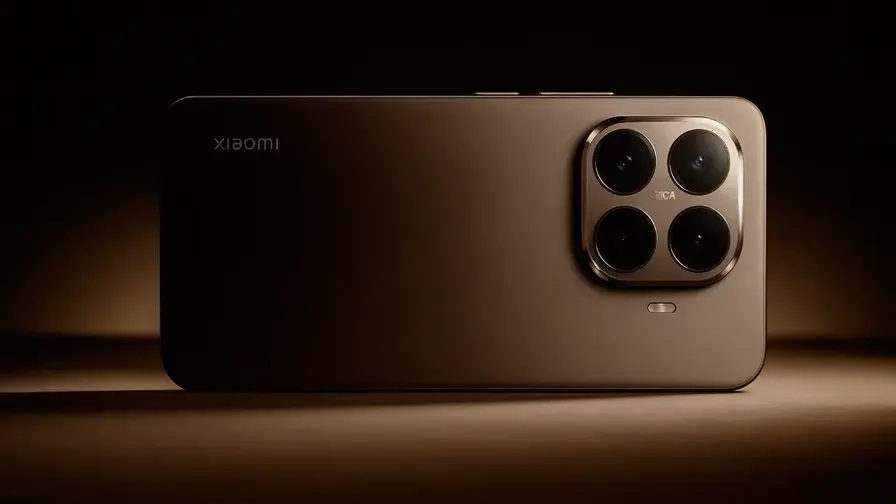
Xiaomi says it will try to limit the impact on its next launch, pledging that a new phone arriving next week will be priced with 'maximum consideration' to make purchase decisions easier for fans.
Expect that device to appear alongside Xiaomi’s IFA plans. But as component markets remain volatile, the industry faces a simple question: how long can brands protect consumers from rising costs before sticker shock becomes the new normal?

Leave a Comment
Comments
No comments yet. Be the first.