
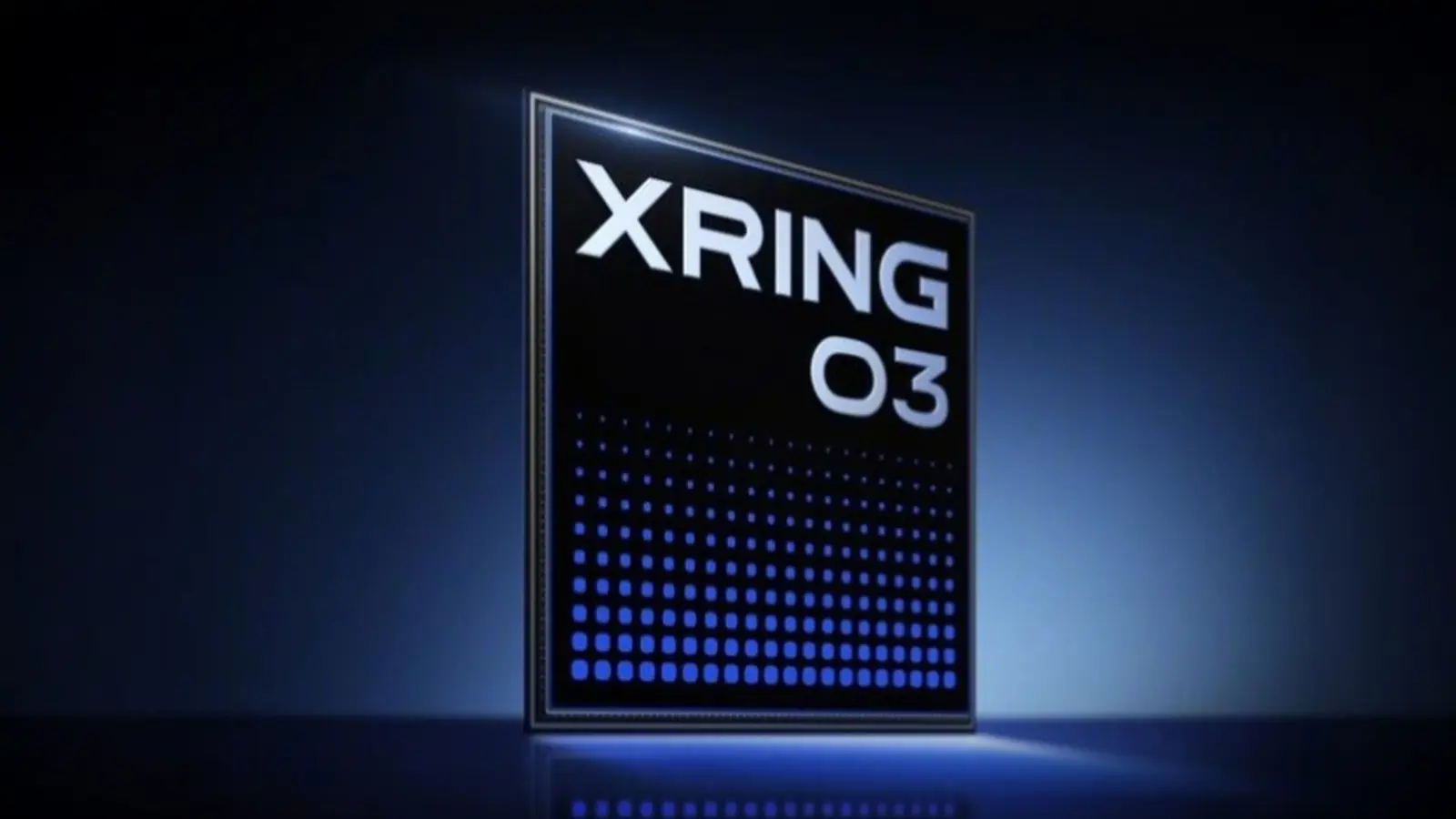
The numbers landed like a challenge: 15,086 on Geekbench’s multi-core. That one figure is already reshuffling expectations for Xiaomi’s second-generation custom silicon.
Unveiled this week, the Xring O3 picks up where the Xring O1 left off but with bolder ambitions. Independent tests from Xiaobai’s Tech Reviews—run on what appears to be a reference platform—put the chip at around 3,854 in Geekbench single-core, putting it shoulder to shoulder with the Snapdragon 8 Elite Gen 5 and Apple’s A19 Pro. That single-core result is roughly a quarter faster than the original Xring O1.

But the headline is the multi-core performance. In those early runs, the Xring O3’s 10-core configuration pushed past 15,000 points, outpacing the highest scores we’ve seen from Snapdragon 8 Elite Gen 5 devices (recent iQOO 15 Ultra test units stayed below the 12,000 mark). Put another way: Xiaomi’s new silicon shows roughly a 55% uplift over its predecessor in parallel workloads, a jump that reads like a leap rather than an incremental step.
Graphics aren’t being left behind. In 3DMark’s Steel Nomad Light test, the O3 posts gains north of 40% compared with current flagships and up to 90% versus the last-gen Xring O1, according to the same tests. What makes those wins noteworthy is the efficiency story: performance rises, but so does performance per watt, a metric manufacturers live and die by when balancing speed against battery life and thermal limits.
How did Xiaomi do it? The O3 is fabricated on TSMC’s N3P node, not the bleeding-edge N2 that rivals are expected to use soon. That choice suggests Xiaomi honed architecture and power delivery rather than relying solely on node advantage. The result is a chip that can compete on raw grunt while keeping an eye on energy use.

Xiaomi has confirmed the Xring O3 will appear in forthcoming hardware such as the Xiaomi 18 Fold and the Pad 9 Pro Max, so these numbers won’t stay theoretical for long. Still, a word of caution: prototype or reference-platform benchmarks can paint an optimistic picture. Real-world performance will hinge on how OEMs tune their thermals, the power limits they accept, and the software stacks they deploy. Can the retail phones sustain those headline scores under marathon loads? That’s the question engineers and reviewers will answer next.
Early results indicate the Xring O3 is a serious contender — fast, efficient, and built to challenge the status quo in mobile silicon.
Whether Xiaomi’s design wins the long game will depend on how those chips behave in customers’ hands. Expect a season of testing, tweaks, and a few surprises.


Leave a Comment
Comments
No comments yet. Be the first.