
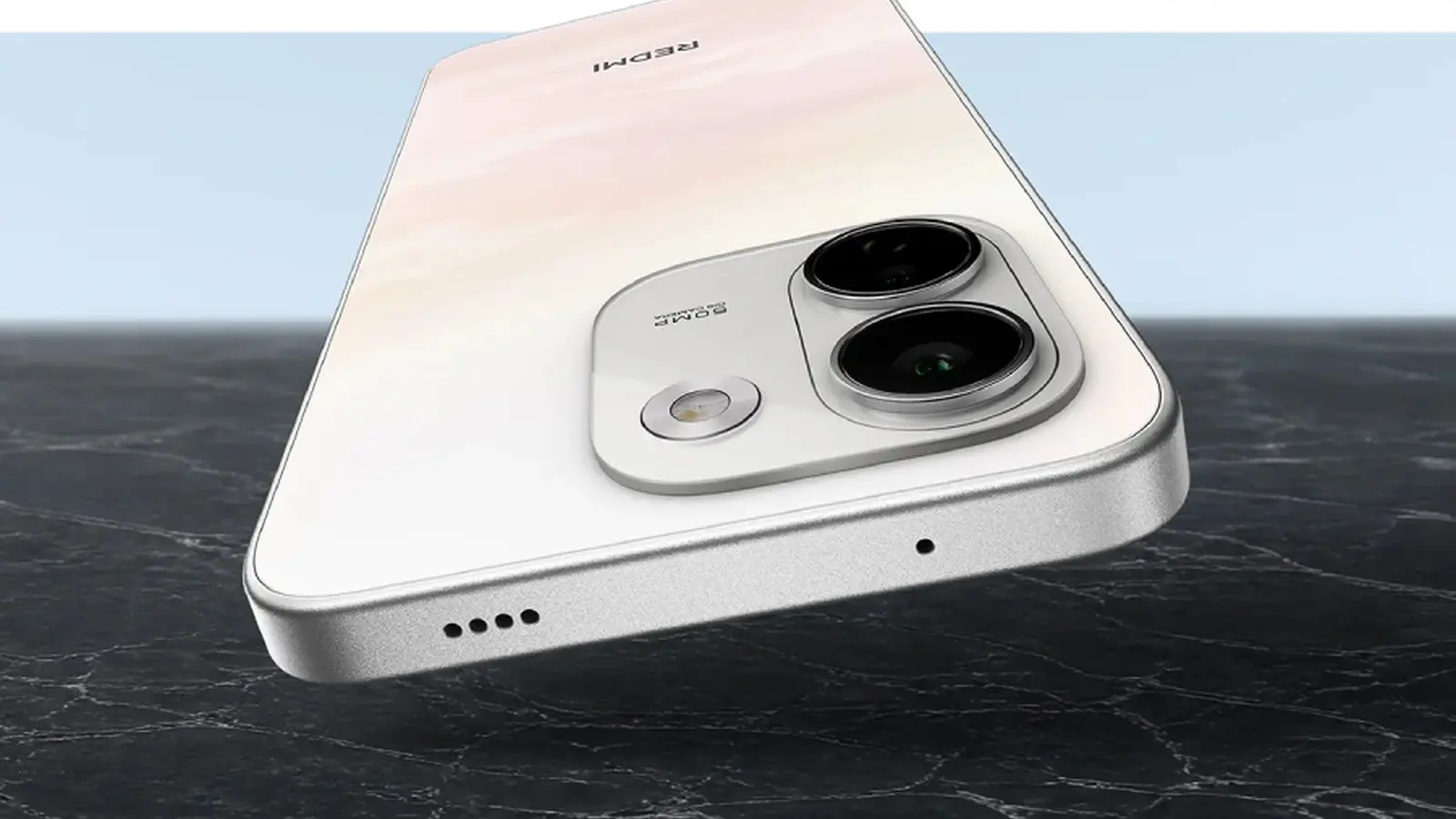
Imagine going more than a day — make that three days — without plugging in. Xiaomi just made that possibility mainstream in Japan with the Redmi Note 17 Pro Max 5G. It’s not a subtle upgrade. This is the first Redmi Note to carry the Pro Max badge and the first Xiaomi phone to ship with a 10,000mAh cell.
Xiaomi's Redmi Note 17 Pro Max marks the company's first phone with a 10,000mAh battery. The cell uses silicon‑carbon chemistry, and Xiaomi says typical use will stretch to roughly three days. When you do need a top‑up, the 100W wired charging can deliver a day’s worth of power in about 20 minutes. If you want to share juice, the handset offers wired reverse charging at up to 27W.

Battery longevity looks promising on paper: Xiaomi claims the pack retains over 80% capacity after 1,600 cycles — a lifespan that translates into roughly six years of use if you charge frequently. That plays into a broader reliability story the company is selling: the phone is built around what Xiaomi calls the "Redmi Titan Structure," and carries both IP66 and IP68 resistance ratings. TÜV SÜD validated a 72‑hour underwater endurance test at 2 meters, and the package includes a dedicated water mode for shooting below the surface.

The display is big and bright — a 6.83‑inch panel at 1.5K resolution capable of hitting 3,500 nits peak brightness. Refresh rate is a lively 120Hz, and touch sampling runs up to 3,200Hz for fast responsiveness. Xiaomi has pursued eye comfort too: TÜV Rheinland certifications for low blue light and flicker‑free operation sit alongside Corning’s Gorilla Glass Victus 2 and an SGS drop rating that claims survivability from falls up to 3 meters.

Under the hood sits Qualcomm’s Snapdragon 6 Gen 5, paired with configurable memory and a software trick: memory expansion that can push RAM equivalent up to 16GB. HyperOS 3 handles the software layer and brings AI features such as offline translation and real‑time speech transcription. On updates, Xiaomi promises six years of security patches and four OS upgrades — a pledge that matches the device’s longevity message.
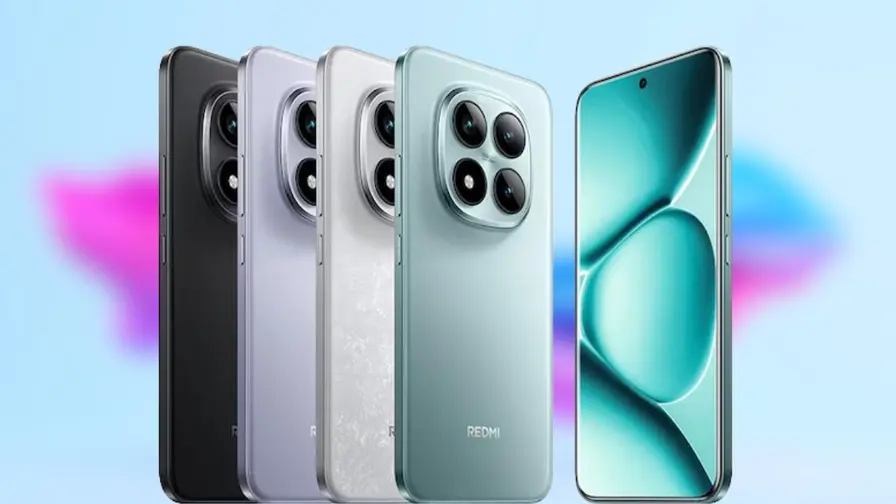
Photography is balanced rather than headline‑grabbing: a 50MP main sensor with optical image stabilization anchors the rear setup, joined by an 8MP ultra‑wide. Selfies get a 32MP front camera. The phone’s physical footprint varies slightly by finish: black and purple variants measure about 78.27 x 163.44 x 8.65 mm, while the photochromic Cloud Blush model — which shifts from white to a warm pinkish‑orange in sunlight — trims down to around 8.57 mm. All versions weigh in at roughly 229.5 g.

Price is competitive for the specs in Japan. The 8GB/256GB model lists at ¥79,980 (about $502), and the 8GB/512GB model at ¥99,980 (about $628). Early buyers can claim a ¥10,000 discount through October 14, dropping those prices nearer to $439 and $565 respectively.
To sweeten the launch in Japan, Xiaomi bundles a handful of extras at retail: some stores include a free USB‑C cable; promotional subscriptions include up to two months of YouTube Premium, three months of Spotify Premium and six months of 200GB Google One storage. There’s also a 24‑month quality guarantee with complimentary screen and back cover replacements and a battery replacement service within 36 months.
It’s a bold gamble: instead of chasing the thinnest case or the most pixels, Xiaomi is prioritizing endurance and resilience. For commuters, travelers, or anyone tired of daily charging rituals, the Redmi Note 17 Pro Max is an intriguing alternative — and it asks a simple question: how long would your day be if your phone never begged for power?

Leave a Comment
Comments
No comments yet. Be the first.