
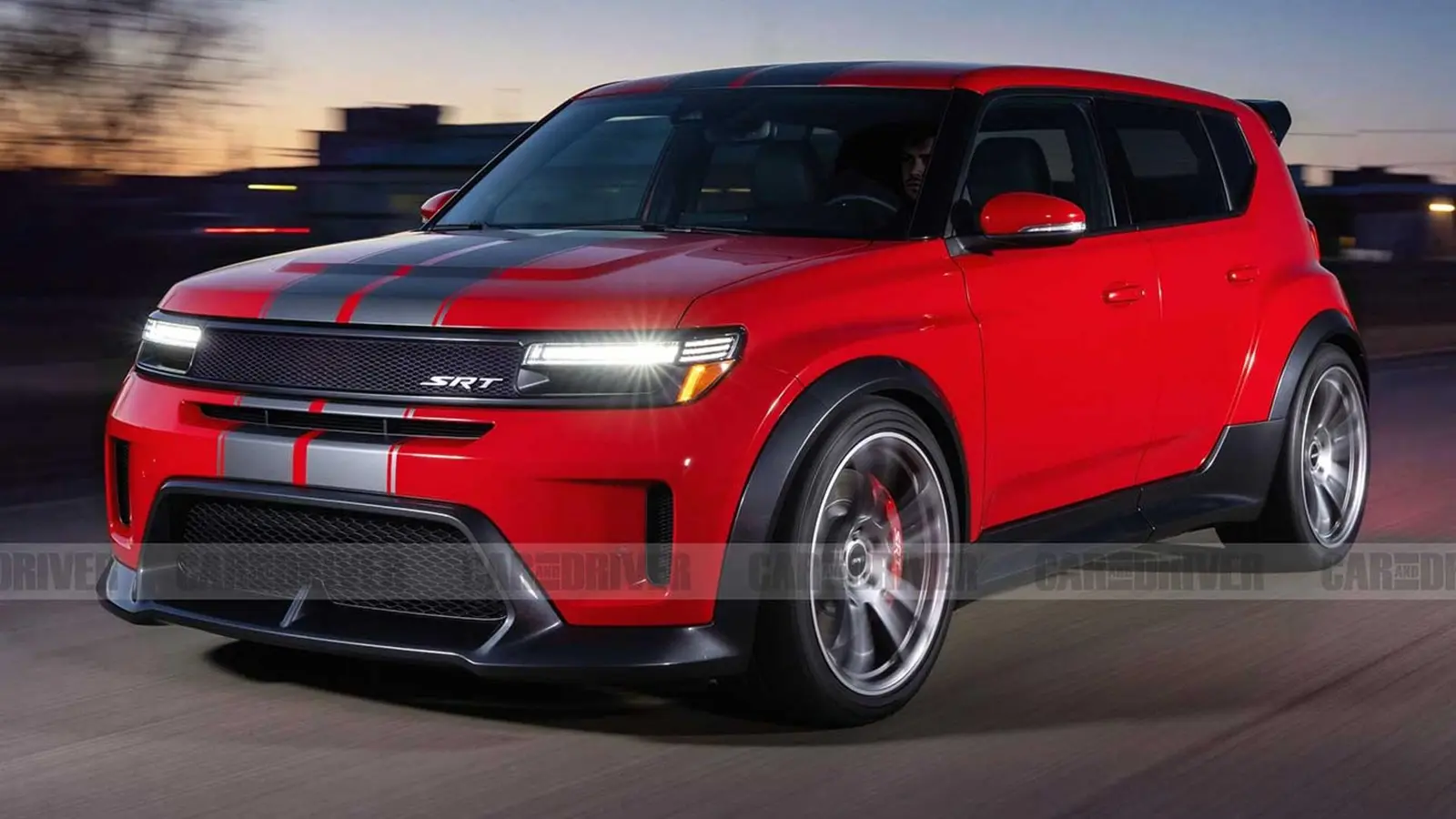
Dodge’s GLH: a compact, aggressive hatchback set to revive the brand
Dodge is preparing to fill a surprising gap in its lineup with the GLH, a compact, muscular hatchback designed to replace the failed Hornet crossover and bring accessible performance back to the marque. Positioned between a tall hatch and a small crossover, the GLH aims to combine everyday practicality with the kind of driving excitement enthusiasts expect from Dodge’s SRT-inspired range.
What GLH stands for — and why it matters
The GLH name carries historical weight for Dodge. Short for "Goes Like Hell," the nickname traces back to the 1980s Shelby-tuned Omni and Charger variants and underlines Dodge’s intent to deliver a hot-hatch experience rather than a soft-roader compromise. Stellantis executives have described the GLH as a "muscular hatchback," and designers are reportedly focused on a bold, aggressive exterior with a low ride height that sets it apart from compact crossovers.
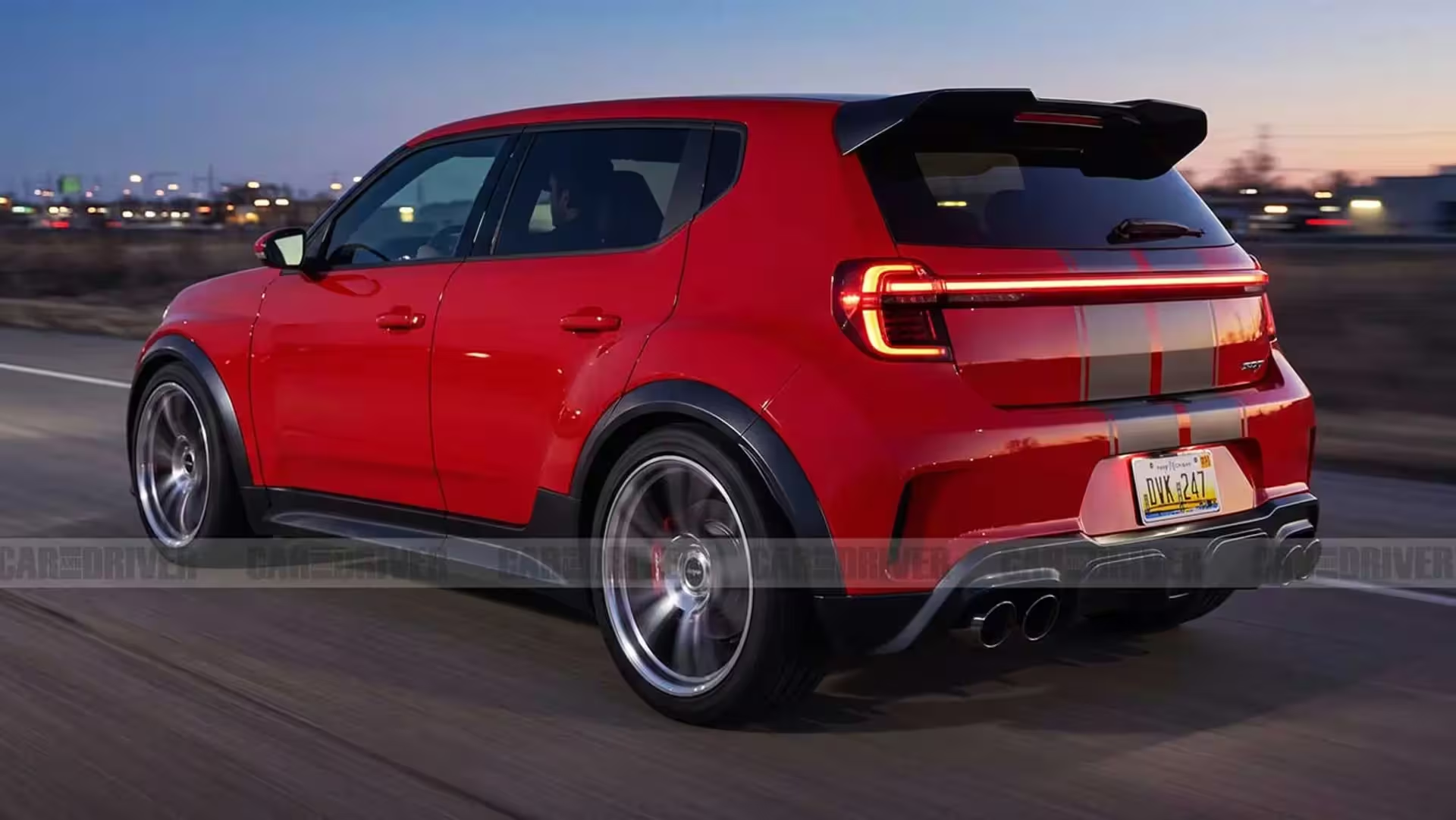
Platform: STLA One and modern packaging
The GLH will ride on Stellantis’ STLA One platform — a scalable, modern architecture that also underpins vehicles such as the Chrysler Airflow. STLA One is designed to accept internal combustion, hybrid, and full-electric powertrains, and in its EV form supports 800‑volt systems, LFP cells, and integrated battery structures. For the GLH, however, Dodge has opted to stick with a gasoline engine for the initial launch, prioritizing driver engagement and a compelling price point.
Design cues and interior space
Expect a boxy, muscular silhouette with a lower roofline than traditional compact crossovers. Dodge aims to offer interior room comparable to compact crossovers while retaining a sportier driving position. That balance — more cabin space than a typical hot hatch but a lower stance than a crossover — is central to the GLH’s market proposition.
Powertrain and performance expectations
Under the hood the GLH is expected to use Stellantis’ new Hurricane 2.0‑liter turbocharged four-cylinder. In Jeep applications that powerplant produces roughly 324 horsepower and about 450 Nm (approximately 332 lb‑ft) of torque, propelling a heavier SUV to 0–60 mph in around 6.3 seconds. With GLH’s lighter curb weight and sharper tuning, real-world acceleration should be noticeably brisker.

Key expected powertrain points:
- Base models likely FWD; higher trims with AWD and automatic transmission
- Engine output in the 300–330 hp range for regular trims
- A dedicated SRT performance variant promised, potentially exceeding 324 hp or using a mild-hybrid assist
- No inline‑six due to packaging constraints; a full EV version appears unlikely for the initial launch

Dodge has signaled the SRT version will be part of the GLH family. That model could push performance, either through higher state-of-tune or electrified boost, while keeping pricing accessible compared with the marque’s high-end muscle cars.
Market positioning: where GLH will compete
The GLH occupies an unusual but potentially lucrative niche. Its cabin volume will feel familiar to compact crossover buyers, but the lower, sportier stance and performance focus put it closer to high-performance hatchbacks. Competitors may include the Toyota RAV4 GR Sport (especially its PHEV versions) and hot hatches like the Honda Civic Type R and Volkswagen Golf R. Still, Dodge is marketing GLH as its own category — a "muscular hatch" that blends rawness and daily usability.
Practical aims are clear: avoid the cramped rear seats and limited cargo trade-offs that plagued the Hornet, while delivering a strong value proposition.
Price and availability
Dodge is targeting an attractive entry price to broaden appeal. Early projections suggest: - Base GLH starting well under $40,000 — possibly near $32,000 - SRT performance trim around the $40,000 mark
Those figures would position GLH as one of the more competitively priced performance hatchbacks on the market, offering Dodge a chance to regain younger buyers and driving enthusiasts who want performance without a six‑figure sticker.
Timing and final thoughts
The GLH is expected as a 2028 model, with sales likely beginning in late 2027. If Dodge can balance dynamics, interior comfort, and sensible pricing, GLH could become a standout in a segment hungry for personality and performance.
Highlights:
- Name rooted in Dodge performance heritage ("Goes Like Hell")
- STLA One platform with gasoline-first approach
- Likely 300+ hp from the 2.0L Hurricane turbo in standard form
- SRT variant planned; AWD and automatic available on higher trims
- Competitive pricing aimed below $40k for mainstream trims
"GLH is designed to give drivers a real performance feel without the premium price," industry insiders say — a simple promise, but one that could revive Dodge’s connection to everyday driving enthusiasts.
Overall, the GLH looks poised to inject fresh energy into Dodge’s compact end of the lineup. By blending a bold, muscular design with proven turbocharged power and accessible pricing, it could become the brand’s ticket back into more mainstream performance territory.

Leave a Comment
Comments
No comments yet. Be the first.