
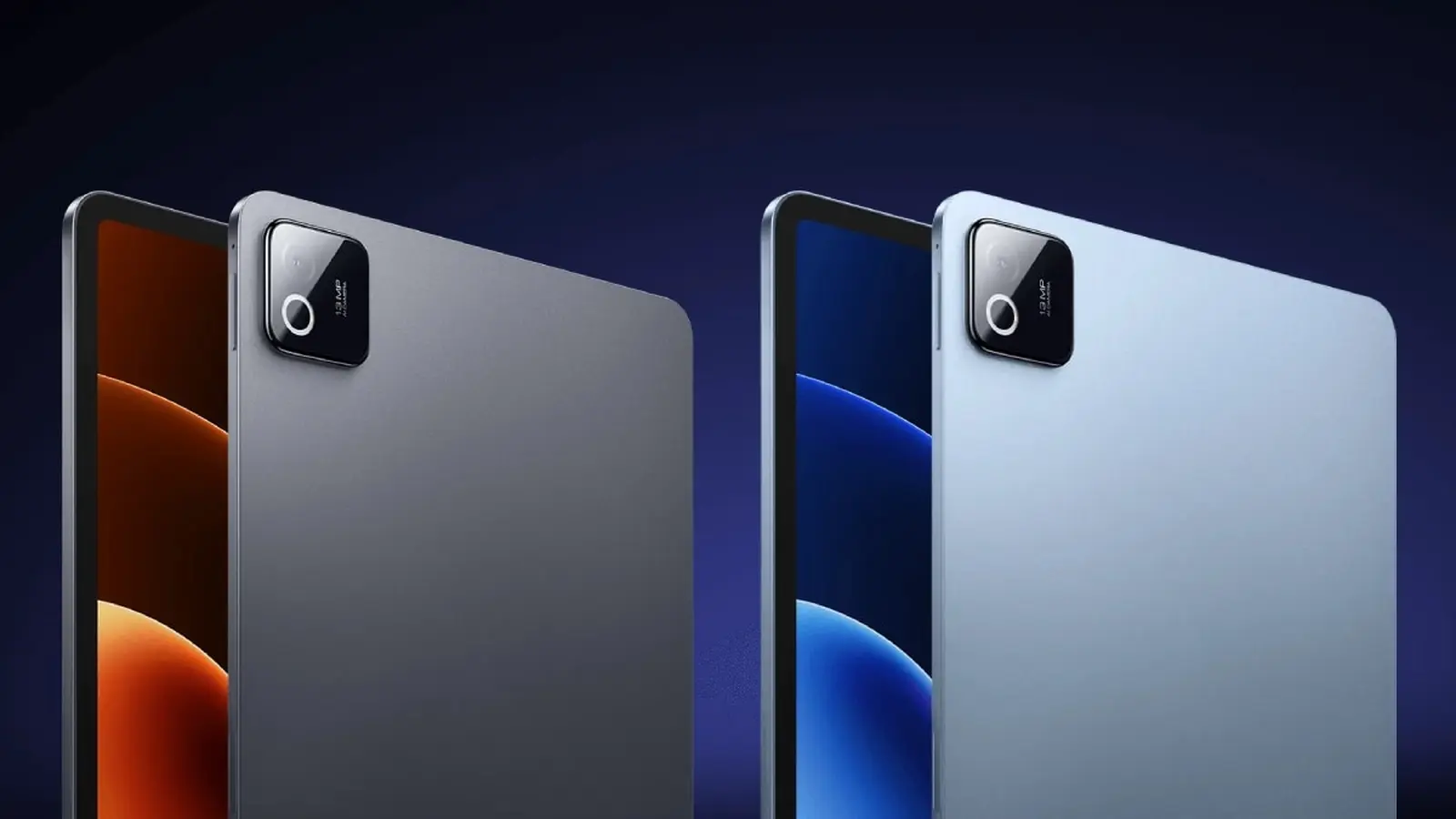
A fresh Geekbench leak just made the upcoming Xiaomi tablet impossible to ignore. The Pad 9 Pro Max, listed under model M367FC, surfaced in Geekbench 6 with attention-grabbing numbers: 3,471 in single-core and 13,229 in multi-core.
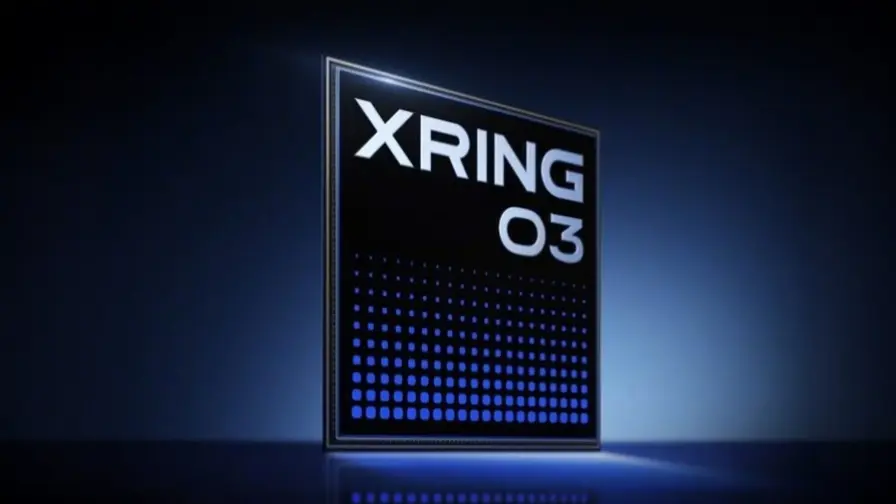
Those figures point to real muscle under the hood. Xiaomi’s homegrown Xring O3 chip powers the device, and the benchmark reveals a 10-core layout: two performance cores at 4.36 GHz, four mid cores at 3.69 GHz and four efficiency cores at 3.15 GHz. The test unit ran 16GB of RAM and Android 17, suggesting Xiaomi is readying a top-tier software and memory package for heavy multitasking and pro workflows.

On multi-core workloads the Xring O3 looks 15–20% faster than a Snapdragon 8 Elite Gen 5 rival, even if its single-core score sits a touch below that chip. That gap tells a story: Xiaomi prioritized sustained throughput and parallel work rather than chasing peak single-thread bragging rights. For creators and power users who juggle tabs, editing apps and cloud tools, that design choice can matter more than a single-thread headline number.
Benchmarks are only one chapter, though. Real-world performance depends on thermals and power management—two areas where tablets can surprise. A high multi-core score is promising for rendering, video exports and complex spreadsheets. But will the Pad 9 Pro Max keep clocks high without overheating or draining the battery in a few hours? That’s the question these numbers can’t fully answer.

Context helps. Xiaomi appears ready to ship a three-device Pad 9 family: an 11.2-inch base Pad 9, a 12.5-inch Pad 9 Pro and the 13.3-inch Pad 9 Pro Max shown in this leak. If the Pro Max combines its Xring O3 muscle with a roomy display and strong battery life, it could reset expectations for flagship Android tablets—especially coming after last year’s Pad 8 Pro, which pushed Xiaomi into premium tablet territory.
For now, the Geekbench snapshot signals intent more than it confirms dominance. Expect deeper tests—battery runtimes, thermal throttling figures and real-world app benchmarks—once review units appear. Will Xiaomi’s in-house silicon change the tablet landscape? The numbers say it just might.

Leave a Comment
Comments
No comments yet. Be the first.