

ETF flows and Fed policy shape Bitcoin’s next phase
Bitcoin’s August rebound has entered a critical phase: analysts say the rally’s durability now depends heavily on continued spot ETF inflows as the risk of a September Federal Reserve rate increase grows. After a rapid run from the mid‑August lows, BTC pulled back from recent highs above $81,000 and was trading around $78,700 at the time of reporting. That pause has refocused attention on whether institutional demand through U.S. spot Bitcoin ETFs, supportive custody flows, and contained derivatives leverage can offset a less friendly macro backdrop.
Spot demand vs. leverage: what’s underpinning the rally
Bitfinex analysts highlighted in a late‑August market note that the latest move higher has been driven more by spot buying and institutional allocations than by a classic leverage‑fuelled blowoff. Open interest in Bitcoin derivatives has risen to about $55.6 billion—roughly 20% above early‑August levels—but the increase has been steady rather than explosive, and basis levels have remained relatively low by historical measures. Those conditions suggest the market is not exhibiting the rapid, frothy leverage buildup that typically precedes violent sell‑offs.
Holding short‑term technical support near $77,100 while spot demand remains intact would, in Bitfinex’s view, keep price action relatively balanced and lower the chance of a disorderly decline. That balance is important because macro catalysts—most notably U.S. interest‑rate policy—are pointing toward a less accommodative environment than bulls had hoped.
ETF inflows: the engine for price stability
U.S. spot Bitcoin ETFs have been a key barometer of institutional appetite. Between Aug. 17 and Aug. 27 these funds recorded roughly $3.04 billion of net inflows across nine consecutive positive sessions, according to market data cited by Bitfinex. That sequence helped lift BTC from under $65,000 in mid‑August to above $80,000, reversing earlier losses and triggering a wave of short covering.
However, the first net outflow in ten sessions came on the Friday following the Jackson Hole speech, when investors redeemed about $201.9 million as Bitcoin fell from the $81,000 area. Despite that single‑day outflow, funds still posted a weekly net inflow of around $924.5 million, and two‑week cumulative inflows were roughly $2.8 billion.
BlackRock’s IBIT was a major contributor during the nine‑session run, collecting about $2.3 billion before seeing only $33.4 million of Friday withdrawals. Other funds such as ARKB and BITB experienced larger redemptions that day, accounting for roughly $164.6 million of the outflows. These dynamics show capital rotation at the fund level even as the broader trend remains positive.

Custodial flows and whale behavior

Institutional custody balances provide an additional lens into supply absorption. Since the end of June, addresses holding between 1,000 and 10,000 BTC have reduced their balances by about 50,500 BTC. Meanwhile, custodial holdings tied to exchanges and institutional ETF platforms increased by roughly 59,100 BTC. During the recent August advance alone custodial balances rose by around 31,500 BTC, a change that tracked ETF inflows closely.
Bitfinex concluded that while large holders (whales) took profits during the rally, institutional demand through regulated vehicles absorbed that supply. Assets sitting in custody for institutional purposes are generally less likely to be quickly liquidated on short‑term macro noise, which supports greater price resilience than if the move were driven purely by retail leverage.
Resistance test: why $80k–$83k matters
CoinEx chief analyst Jeff Ko framed the $80,000–$83,000 range as a decisive supply zone. He argued that much of the mechanical squeeze that pushed BTC higher in August—fed in part by Treasury buybacks that reduced yields and weakened the dollar—has largely played out. That squeeze forced the liquidation of crowded short positions, producing an outsized and somewhat temporary upward impulse.
Ko emphasized that the real test now is whether spot buyers can continue to absorb available supply in that $80k–$83k zone. If institutional allocators and ETF purchasers maintain demand, the rally can consolidate and broaden; if not, price could stall or correct as the earlier short‑squeeze drivers fade.
Treasury buybacks: a one‑time catalyst?
The U.S. Treasury’s announcement in mid‑August to increase maximum liquidity‑support buyback sizes for 10‑ to 20‑year and 20‑ to 30‑year securities—from $2 billion to at least $4 billion per operation, effective Sept. 9 through Nov. 4—compressed long yields and helped BTC’s run. An August 20 analysis showed BTC climbed 8.2% from an intraday low of $64,100 to $69,500 within 12 hours of that announcement, triggering roughly $1.44 billion in short liquidations.
That mechanical catalyst can reappear while buybacks continue, but analysts caution it may not provide sustained price discovery without continued capital allocation from ETF buyers and other institutions.
Ether ETFs and cross‑market signals
Ether and its spot ETF ecosystem offer complementary signals about risk appetite within crypto markets. U.S. spot Ether products pulled in about $815.7 million last week and extended a streak of positive sessions to ten, per firm data. August accounted for nearly 12.3% of cumulative Ether ETF inflows since listing, and on a size‑adjusted basis, Ether ETF demand appeared roughly four times stronger than Bitcoin ETF demand during the most recent week.
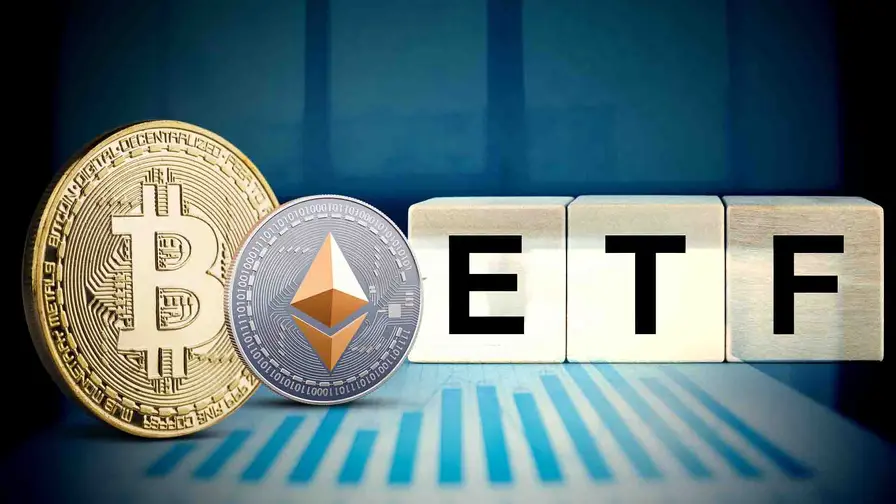
If ETH begins to outperform BTC in price and investment flows while Treasury yields and the dollar remain elevated, analysts like Ko would view that as evidence of a broader, stronger crypto risk appetite rather than a BTC‑specific short squeeze. Investors tracking relative flows across BTC and ETH ETFs will likely use those readings to gauge the nature and depth of institutional demand.
Macro headwinds: Fed rate hike risk and inflation
The most imminent macro risk to BTC’s rally is the shifting odds of a Fed policy move. Comments at Jackson Hole by former Fed governor Kevin Warsh pushed market‑implied probabilities for a September rate hike up to about 57%, according to Bitfinex’s compilation of market signals. CME‑implied odds rose from roughly 39.9% on Aug. 21 to near 57% after the speech. The two‑year Treasury yield also moved toward 4.31%, while the U.S. dollar strengthened to a short‑term high.
Persistent inflation metrics are the key constraint preventing an easier Fed stance. Headline Personal Consumption Expenditures (PCE) inflation ran at about 3.7% with core PCE at approximately 3.3%. Private domestic demand expanded at a 4.2% annualized pace in Q2—data that complicates the Fed’s task if policymakers want to justify holding rates steady or pivoting.
What the Fed’s path means for crypto liquidity
BTSE’s Jeff Mei warned that higher interest rates could reduce liquidity available for risk assets like cryptocurrencies. For the Bitcoin market to sustain its bullish trajectory, two things must happen, he said: ETF demand must remain robust across all major funds—not just concentrated in a few—and upcoming inflation readings must cool enough for the Fed to pause additional tightening.
A tight or rising rate environment imposes an opportunity cost on speculative allocations and can curb flows into risk‑on vehicles. That dynamic makes ETF inflows and custodial demand all the more critical as a source of stable capital for BTC.
Key U.S. data and calendar risks ahead
Investors now face a dense slate of U.S. economic releases ahead of the Fed’s Sept. 15–16 meeting. The most immediate and market‑sensitive report is the August payrolls print—the last jobs report before the FOMC decision. July payrolls showed a headline decline of 23,000 jobs versus a consensus of +80,000, with May and June both revised lower by a combined 103,000 jobs; unemployment stood at 4.1% at that time.
Other notable data include ISM Manufacturing and JOLTS, ADP employment figures, the Fed’s Beige Book, and ISM Services. The August inflation report, due Sept. 11, is especially important because it arrives just days before the Fed meets, potentially shifting policymakers’ near‑term calculus.

Ko also flagged the CLARITY Act, a crypto‑specific legislative event, which had a Senate procedural vote scheduled for Sept. 15. That vote represents a concentrated, asset‑specific catalyst that could materially affect investor sentiment for digital assets if it advances or stalls.
Price levels to watch: support, resistance and targets
Analysts are watching a few technical and fundamental price thresholds:
- Support: Bitfinex highlighted $77,100 as an important short‑term support level. Sustained buying above that line would signal balance between demand and supply.
- Near resistance: The $80,000–$83,000 band is seen as a meaningful supply zone where ETF and institutional buyers must step in to replace the impulse previously created by short covering.
- Momentum breakout: BTSE’s Jeff Mei suggested that closing and holding above $87,000 would materially strengthen the bullish case and place $100,000 squarely back on the radar for a renewed parabolic leg higher.
Absent broad ETF flows and supportive macro prints, BTC could remain range‑bound or retrace. Conversely, strong cross‑fund ETF demand and softer inflation data could provide the environment necessary for a sustained advance.
What traders and institutional allocators should monitor
Participants focused on BTC’s next moves should track several indicators closely:
- Net flows into U.S. spot Bitcoin and Ether ETFs across multiple providers, not just headline flows for BlackRock.
- Changes in custodial balances at institutional platforms and exchanges, which indicate where supply is being parked or withdrawn.
- Derivatives open interest and basis to assess whether leverage is building unsustainably.
- U.S. macro releases—especially payrolls and PCE inflation—that will influence Fed expectations.
- Cross‑asset cues from Treasury yields and the dollar, which can alter the appeal of risk assets.
- Legislative and regulatory milestones such as votes related to the CLARITY Act that are directly relevant to crypto markets.
Conclusion: ETF momentum must carry the baton
Bitcoin’s August comeback reflected a mix of mechanical squeezes, Treasury liquidity moves, and healthy spot ETF demand. Going forward, however, the resilience of this advance depends on sustained ETF flows and institutional allocation across multiple fund providers as the Federal Reserve’s path becomes less certain. If ETF demand remains broad and U.S. inflation data cools, BTC could convert the short‑squeeze rally into a longer‑lasting uptrend toward higher targets like $87,000 and beyond. If not, the market risks a consolidation phase or deeper pullback as macro headwinds tighten.
Traders and institutional allocators should therefore prioritize flow data, custody metrics, derivatives positioning, and the U.S. economic calendar when assessing Bitcoin’s next directional tilt.


Leave a Comment
Comments (3)
Solid breakdown but feels a bit ETF-centric. Treasury buybacks were a one-off squeeze and might not repeat, retail leverage still matters. Watch payrolls, not just fund flows.
Wow didnt expect ETF flows to be the literal engine here. If funds keep buying, BTC might actually hold. but Sept Fed, yikes, nervous excitement!!
Interesting but is this even true? ETFs propping price sounds right but a Fed hike could flip it fast. Who's watching custodial flows closely? feels fragile, btw