
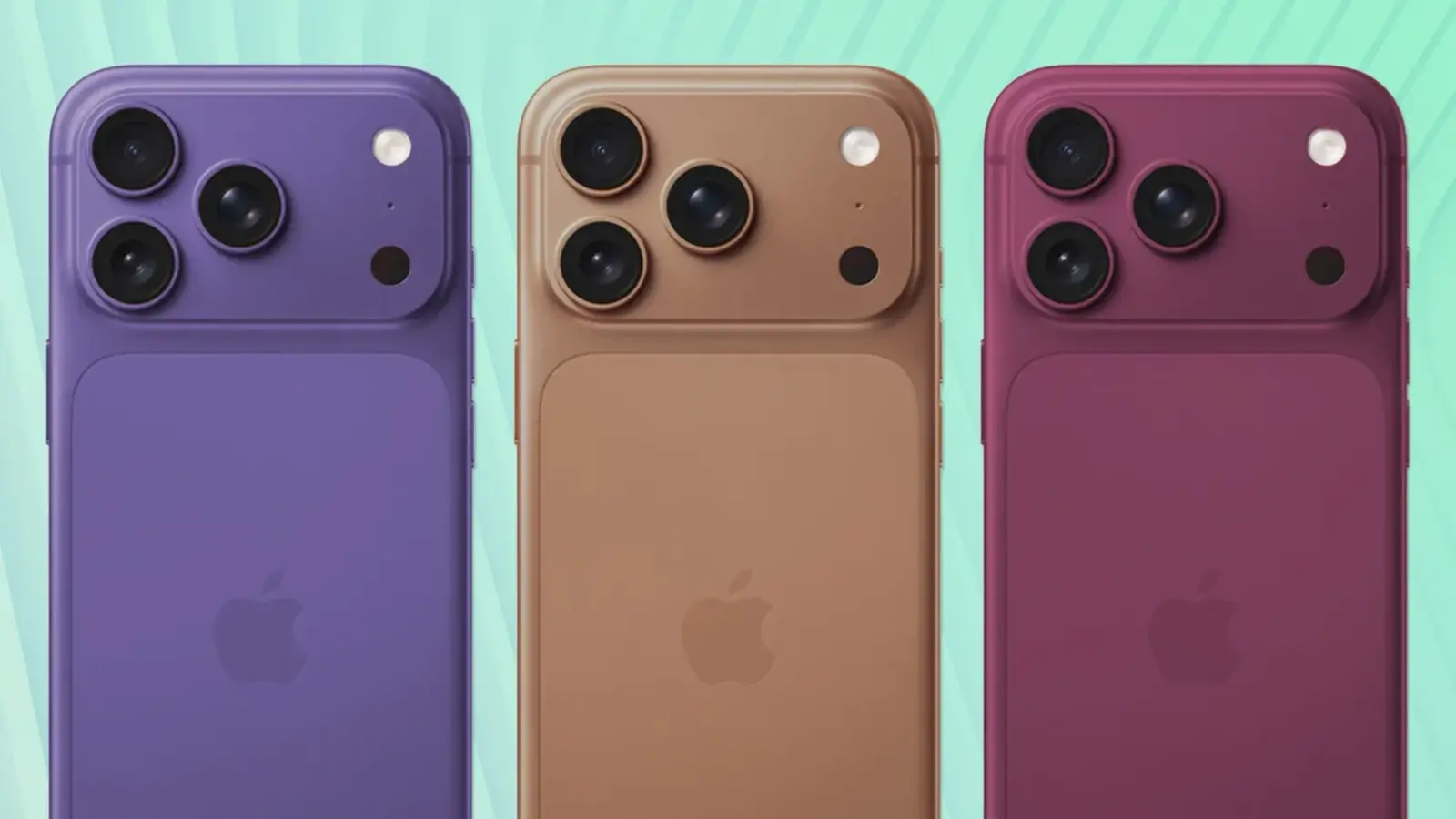
Apple’s next pro phones may arrive with sticker shock. TrendForce’s latest estimates put the iPhone 18 Pro in the $1,249–$1,299 range and the iPhone 18 Pro Max between $1,349 and $1,399 — roughly 10 to 20 percent higher than last year’s pro models.
That jump isn’t pulled from thin air. It comes down to memory. The market for high-capacity flash has tightened dramatically amid a wave of demand from AI-heavy data centers and a surge in industry investment. TrendForce says the cost of a 256 GB memory chip has spiked by nearly 400 percent compared with last year, and the bill of materials for a 256 GB Pro unit has risen by about 38 percent. Those are not small ripples; they reshape the pricing equation.
Apple has options. It could swallow part of the extra cost and shrink its margins rather than pass the entire burden to customers. Last year the company managed to limit price increases in the U.S., raising the iPhone 17 Pro by $100 while keeping the Pro Max stable. This time, though, the memory squeeze looks broader and deeper.

If memory prices keep climbing, buyers should expect higher iPhone tags — especially on the premium models.
TrendForce also reiterates earlier forecasts for Apple’s rumored foldable, informally called the iPhone Ultra. Their estimate: $2,099–$2,299 at launch, with top-tier configurations potentially pushing past $3,000. For a mainstream audience still getting familiar with foldables, that price range already sets expectations about where the device will sit in the market.
And the pricing pressure isn’t limited to the pro lineup. The standard iPhone 18 is not expected until spring 2027, but TrendForce believes the same 10–20 percent increase could ripple into the broader iPhone family. Memory cost is a systemic issue, not a niche one.
So what does this mean for buyers and competitors? Higher component costs driven by AI infrastructure investments are reshaping mobile pricing, and the effects are visible before Apple even flips the switch at its next event. Are consumers ready to accept steeper prices for incremental upgrades, or will demand shift toward older models and rivals that can dodge the worst of the component squeeze?


Leave a Comment
Comments
No comments yet. Be the first.