
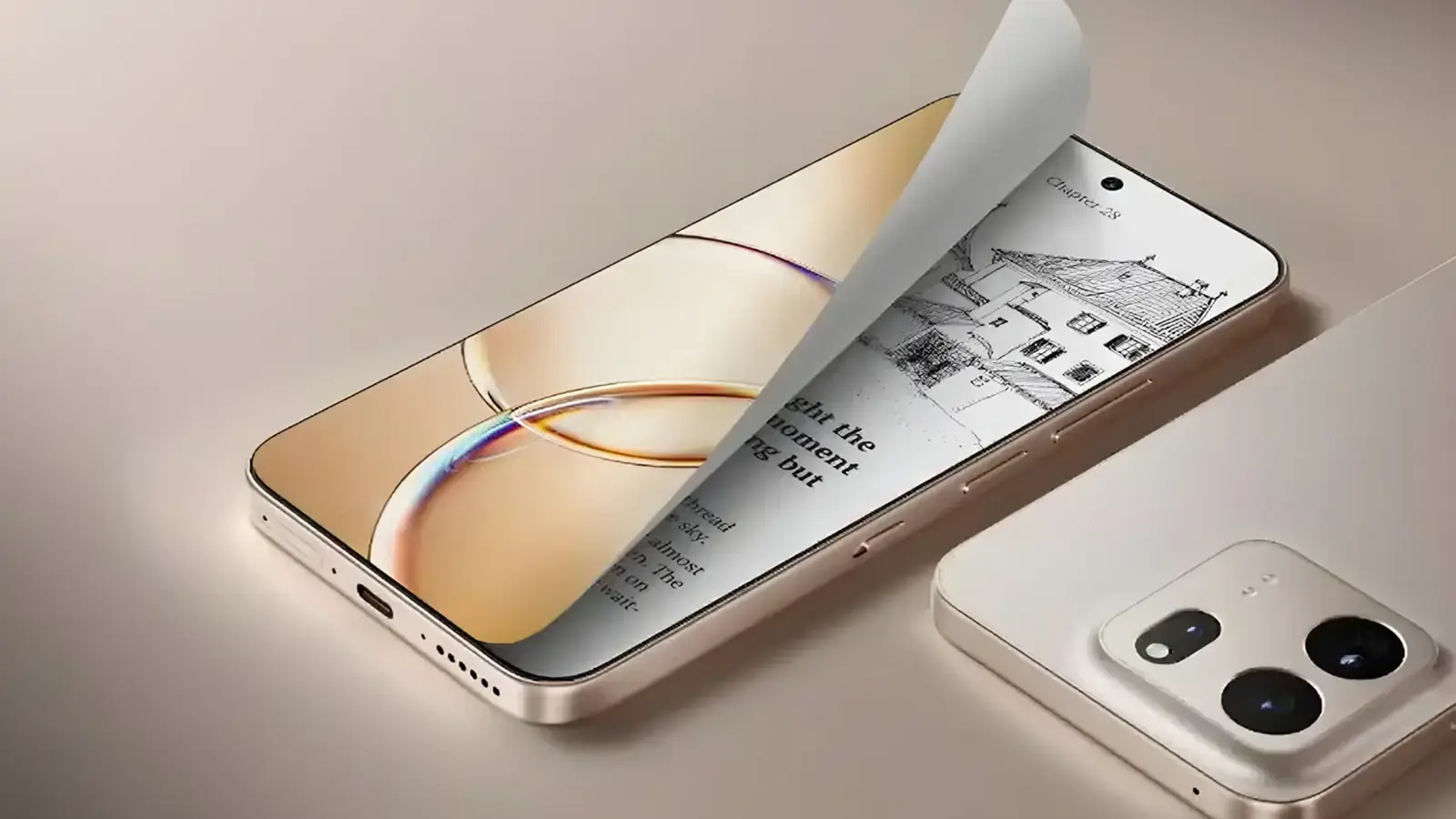

Imagine reading on glass that behaves like paper. Short pause. That’s the pitch TCL is now selling with the P80 Ultra, a phone that marries OLED contrast with a paper-like viewing experience.
It’s not vaporware. TCL calls the tech NxtPaper and it’s the company’s first attempt to bring that experience to an OLED panel rather than the LCDs used in earlier models. The aim is clear: keep OLED’s deep blacks and punchy contrast while cutting down the harsh blue light and reflective glare that make screens tiring during long reads.
 |  |  |
How do they do it? Engineers layered a circular polarization filter, a custom optical homogenizer, and anti-reflective glass to tame blue light emissions down to about 2.9 percent. The result is a display that still delivers the rich tones and contrast of OLED but feels gentler on the eyes—especially in bright sunlight or when you’re settling in for a long session of articles, comics, or e-books.
On paper: a 6.83-inch 1.5K panel, 120Hz refresh, and up to 3,200 nits brightness—designed to be bright, fast, and easy on the eyes.

Under the hood sits MediaTek’s Dimensity 7400 Elite. Paired with 8GB LPDDR5 memory and UFS 3.1 storage options of 256GB or 512GB, the P80 Ultra wants to be competent across daily productivity and media tasks without pretending to be a flagship powerhouse.
- Display: 6.83-inch OLED, 1.5K resolution, 120Hz, 3,200 nits peak
- Processor: Dimensity 7400 Elite
- Memory & Storage: 8GB LPDDR5; 256/512GB UFS 3.1
- Battery & Charging: 5,800 mAh; 45W wired charging
- Cameras: 50MP main w/ OIS, 50MP periscope telephoto 3x, 8MP ultrawide
- Extras: Dedicated slider for Max Ink reading mode, IP68, military drop resistance
The camera suite mixes sensible hardware: a 50MP main with optical image stabilization, a 50MP periscope telephoto offering 3x optical reach, and an 8MP ultrawide. It’s a balanced setup for people who want good everyday shots and a bit of zoom without swapping lenses or lugging extra kit.

One physical flourish worth noting is the dedicated slider on the device’s edge. Flick it and the phone switches into a Max Ink reading mode that dramatically reduces screen energy draw—TCL claims it can stretch battery life up to seven days in that state. That’s not normal smartphone behavior. It’s niche. And it may appeal to readers, students, or anyone who treats their phone like an e-reader part of the time.
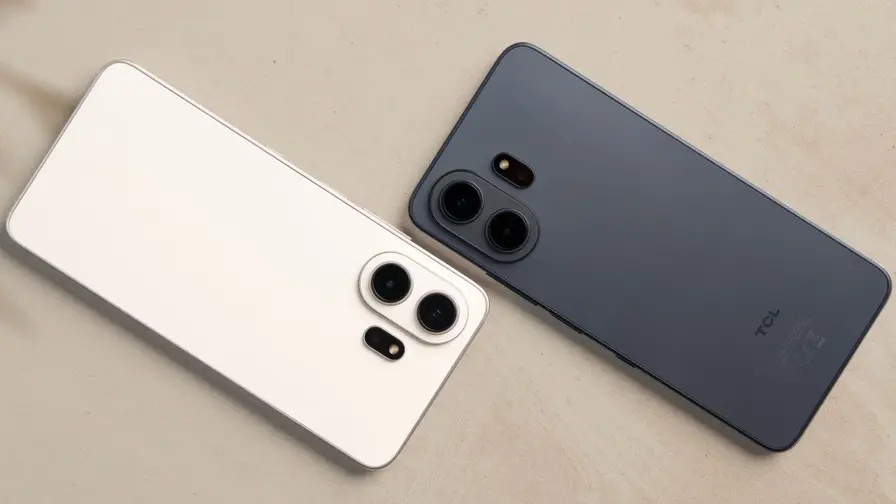
The P80 Ultra is built around an aluminum frame, holds an IP68 rating, and even carries a military-grade impact certification, underlining TCL’s focus on durability as well as comfort. Pricing starts at €550 for the base model, positioning the phone as a mid-range device with a unique display proposition rather than an ultra-premium flagship.

So what’s the takeaway? TCL isn’t trying to reinvent OLED. Instead, it’s attempting a subtle rethink: keep OLED’s strengths, iron out some of its ergonomic issues, and give people a screen that’s easier to live with all day. Curious to see whether readers prefer it to conventional OLEDs? The proof will be in hands-on time—and in how often people reach for that slider.
Discussion
Leave a Comment
Comments
No comments yet. Be the first.