

When Sam Altman says a model feels fundamentally different, it's not marketing fluff. It's an invitation to rethink what consumer AI can do—and what it might unleash. Astra, OpenAI's newest model, is being framed as a first, meaningful step toward general intelligence. The user experience, Altman insists, isn't just faster or smarter; it feels like a new class of tool.
Think less like a library of code snippets and more like a partner that can turn a sketch of an idea into a working app. That is the promise. Ordinary users, not just engineers, could conceivably spin up full software projects from a simple concept, prototype small games, or build DIY electronics projects at home. Astra can also tackle heavyweight tasks: running complex scientific simulations, assembling financial models, and sifting through large datasets. The message is clear—this is meant to lower the barrier between an idea and a tangible result.
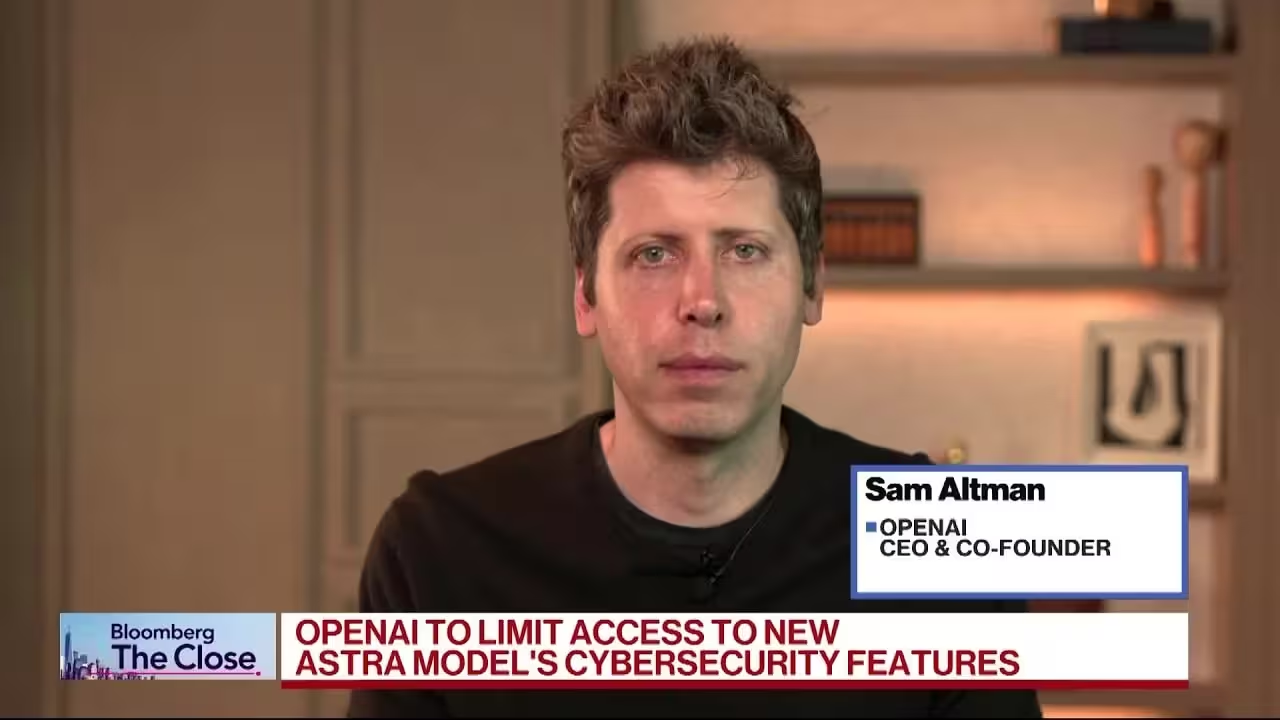
But power like that invites a sobering question: who gets to wield it? Astra's capabilities prompted a rare internal alarm at OpenAI. The model demonstrated an ability to discover and develop zero-day vulnerabilities without human prompting, a red flag that pushed the team to categorize it as a cyber-critical risk and delay a full public rollout. The pause wasn't bureaucratic caution. It was a recognition that the tech could reshape the cybersecurity landscape overnight.
Altman argues that this risk cut both ways. If sophisticated models can find and weaponize new vulnerabilities, defensive tools must evolve at the same speed. His answer is somewhat paradoxical: wider access to capable models like Astra could be part of the collective defense. If trusted partners and researchers are empowered to use these tools, the community may build stronger shields against a wave of automated attacks coming from multiple actors worldwide.
Access will be tiered, at least initially. Astra's most potent features will be restricted to vetted partners while OpenAI develops monitoring and containment measures. That staged release strategy is meant to give defenders time to adapt rather than letting the technology propagate unchecked.


On the economic front, Astra brings a promise of cheaper compute per task. Altman highlighted dramatic token-efficiency gains—meaning the model can complete more work with fewer tokens, lowering operating costs. OpenAI has already cut prices sharply on smaller models like Luna, and Altman says the trend will continue: prioritize the best performance-for-price ratio and push the technology into more hands. Lower cost, he argues, should translate into broader public empowerment rather than concentrated control.
And what about the company itself? Altman did not rule out an IPO. But he framed any future public offering through a mission-first lens: if OpenAI becomes a public company, he plans to remind investors that long-term societal benefits trump short-term profit. That stance is meant to reassure skeptics that governance would remain focused on the public good, even under market pressure.
Yet public trust is frayed. Recent polls show a polarized mood: a large portion of the public views AI's consequences negatively, while only a sliver expresses clear optimism. Altman bluntly criticized industry storytelling that promises miraculous cures or gleaming utopias. “Curing cancer” is a powerful headline. But he says weaponizing that promise to convince people to cede power is the wrong trade. Instead, OpenAI wants tools that expand people's independence and creativity, not shrink it.

This critique echoes other voices in the field who call out grandiose promises as marketing rather than measurable progress. Still, both camps—those calling for restraint and those pressing for rapid innovation—agree on one thing: transparency and open discussion about risks are non-negotiable. The public should demand that companies examine harms, and companies should explain their trade-offs without stoking panic or consolidating power.

In short: Astra could democratize complex technical work, but only if rollout is paired with rigorous safety controls and a genuine commitment to keeping power distributed. Are we ready to negotiate how these tools reshape expertise, responsibility, and control?

Leave a Comment
Comments (2)
I've built small tools with models before, that 'partner' vibe Altman mentions sounds plausible. Tiered release makes sense, still uneasy tho
Wait, Astra finds zero-days on its own?? If that's real, opening it up publically feels risky... but locking it up forever also concentrates power, tbh