
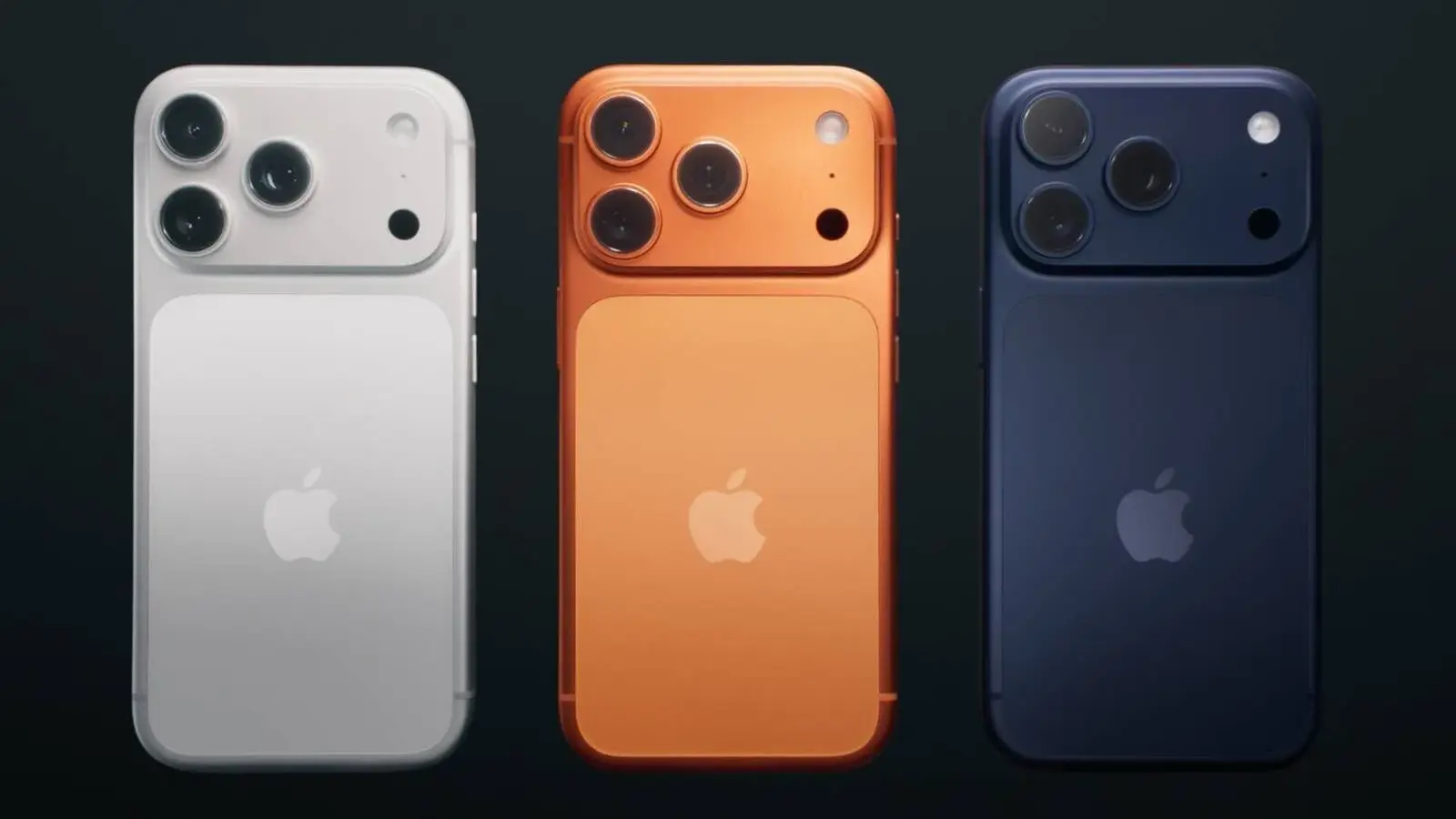
Apple has quietly removed the iPhone 17 Pro and iPhone 17 Pro Max from its online store, a predictable but still meaningful shift after the launch of the iPhone 18 Pro family. No banners. No extended promos. Just a clean swap in the catalog.
Remember the 17 Pro duo? They arrived at the "Awe dropping" event in September 2025 and hit shelves by month’s end. Packed with the A19 Pro chip and a triple 48‑megapixel rear camera array, they were built to impress: a 48MP telephoto lens offering 4x optical zoom and up to 8x high‑quality zoom, plus an 18MP Center Stage selfie camera. Short answer: the cameras were serious.
On the outside, Apple moved away from the titanium frame seen on the iPhone 16 Pro and introduced a unified aluminum chassis for the 17 Pro models, paired with a custom vapor‑chamber thermal design to help keep performance consistent under load. The devices kept their distinctive sizes — roughly 6.3‑inch for the Pro and 6.9‑inch for the Pro Max — while the U.S. starting prices launched at $1,099 and $1,199 respectively.
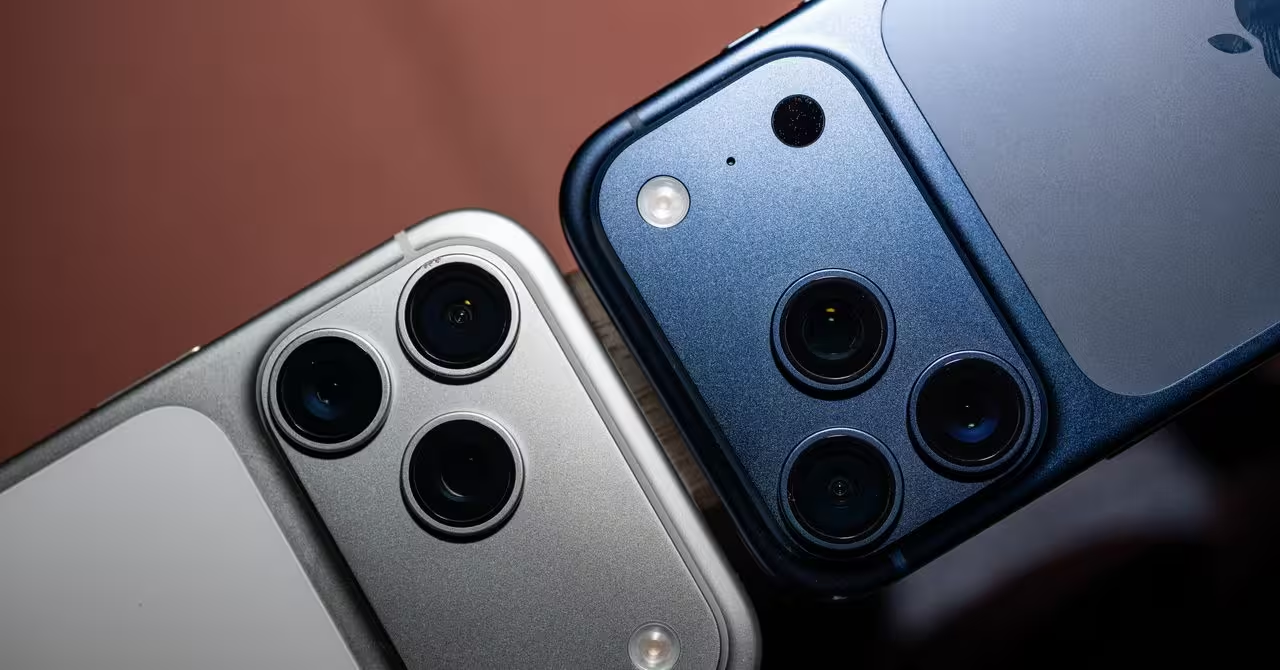
What changes now? The iPhone 18 Pro and 18 Pro Max step into their successor roles. Base prices have jumped: the 18 Pro starts at $1,199 and the 18 Pro Max begins at $1,299. For the first time Apple is offering the smaller Pro model with a 2TB storage option, a sign that high‑capacity configurations are moving from niche to mainstream for power users and prosumers.
And there was more than just incremental updates. Apple also unveiled its first foldable iPhone, dubbed the iPhone Duo, with a 256GB model starting at $1,999 and configuration options that extend up to 2TB. It’s a bold price, and a clear signal about where Apple thinks premium smartphone design is headed.
Meanwhile, the ripple effects are visible across Apple’s online storefront: several earlier models — including the iPhone 16, iPhone 17, iPhone Air and the iPhone 17e — have seen price adjustments. Supply shuffles like this are routine at new‑release time, but they still matter. They nudge upgrade decisions, shift resale values, and reshape buying windows for carriers and retailers.
For anyone weighing a purchase now, the calculus is familiar: buy the discounted outgoing model while stocks last, or opt for the shiny new hardware and longer software support. Either way, Apple’s product map has undeniably moved. Which path will you take?

Leave a Comment
Comments
No comments yet. Be the first.