

Imagine Homer’s Ithaca dragged across the stars. Short breath. Big stakes. That image is the opening note of Odysseus Rising, a bold audio sci-fi remake that entrusts Andy Serkis with the role of narrator and principal voice.
This is not a museum restaging of an epic. Adrian Tchaikovsky, the mind behind Children of Time, has recast the poem into future language: gods become unreachable systems, monsters mutate into technological threats, and a war-ravaged world morphs into ashes under oligarchic rule. According to early descriptions, Ithaca now sits under siege by oligarchs and parasitic forces, a place that waits for its commander to return while the planet itself is slowly unravelling. If Odysseus cannot make it home, the story suggests, perhaps he must find a way to bring Ithaca to him.
Serkis has praised Tchaikovsky's reinvention as wildly inventive, saying the author has given Homeric themes fresh life by projecting them into a distant, unfamiliar future. For Serkis, the chance to voice characters spun out of both Homer and Tchaikovsky is a rare creative thrill, especially given the production's investment in advanced audio technology. He calls the sound design a dream for actors: a way to inhabit mythic beings without the constraints of a physical set.
Tchaikovsky admits the transformation was no easy task. How do you preserve the core of an eight-century-BC tale while translating deities, monsters and long voyages into the idiom of hard science fiction? By treating the original as a skeleton to be rearmed, he says—keeping the shape of Odysseus' moral and existential journey while changing the environment that forces him to confront fate, command and memory. The result promises a version of Homer that moves across space and time rather than just the Aegean Sea.

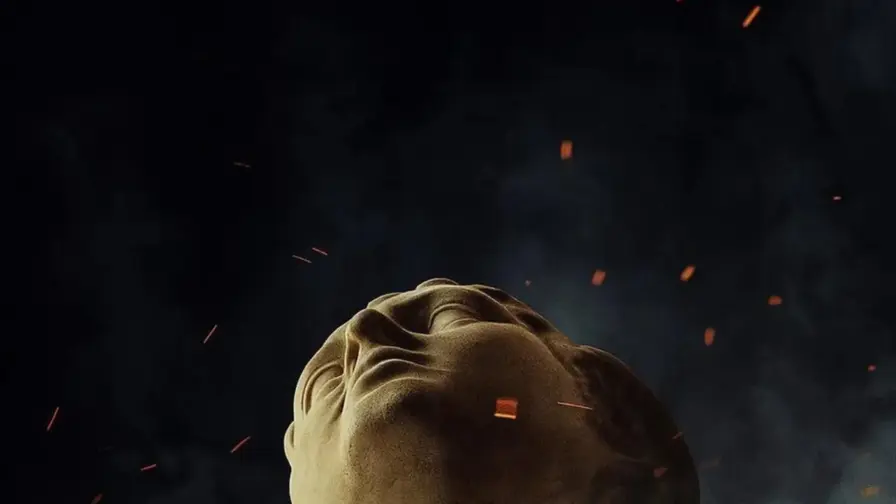
Odysseus Rising entered development late in 2024 and is slated for release on February 25. Early publicity frames it as an audio-first experience; think of it as an audiobook on steroids, with cinematic soundscapes and layered vocal performances designed to turn listening into immersion. Expect the production to blur the line between radio drama and blockbuster sound design.
It arrives at a moment when Homeric tales are getting renewed attention on the big screen. Christopher Nolan's The Odyssey recently debuted with a star-packed cast including Tom Holland, Zendaya, Charlize Theron, Robert Pattinson, Anne Hathaway and Jon Bernthal, and it has earned strong critical praise—reportedly sitting at a 94 percent score on Rotten Tomatoes. Odysseus Rising, however, is clearly not attempting to outdo Nolan on spectacle; rather, it offers an alternate angle: what if the epic were retold as a futurist parable about displacement, infrastructure and the political cost of homecoming?
It isn't the only small-screen project in the pipeline. Reports from July indicate a television series titled Odysseus is also being produced by Tanweer Productions, with filming expected in Greece and Armenia next year. The proliferation of adaptations underscores an appetite for the text's themes: exile, identity, cunning—timeless threads that adapt easily to contemporary anxieties.
For Serkis, the new audio epic sits alongside other passions. He's best known for bringing Gollum to life in Peter Jackson's Lord of the Rings and Hobbit trilogies, and he's currently attached to direct and reprise the role in The Lord of the Rings: The Hunt for Gollum, a film set 17 years after Bilbo's birthday party from Fellowship of the Ring. That project is now in production, underlining how Serkis continues to juggle performance, voice work and direction across genre storytelling.
Will Odysseus Rising lean closer to Homer or to Nolan's modern cinema? Hard to say. The available details point to a fresh, deliberately different approach: less anchored in literal retelling, more interested in the metaphors that make the Odyssey endure. Trailers, cast announcements and behind-the-scenes glimpses will likely arrive as the release date nears, and for listeners who love myth retooled for uncertain times, this one will be worth hearing loud and close.

Leave a Comment
Comments
No comments yet. Be the first.