
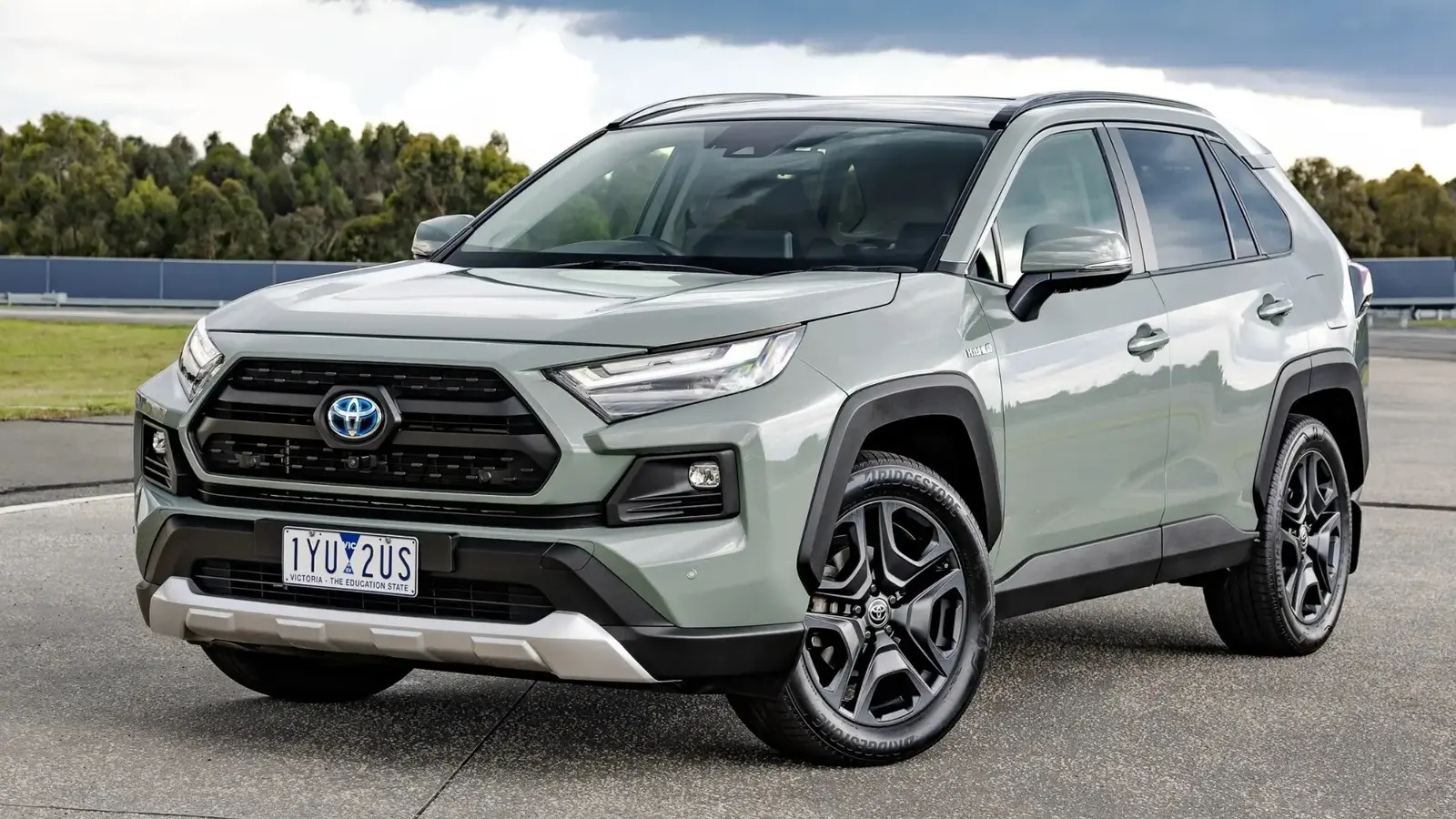
Transport & Environment reported on 25 October that real-world CO2 emissions from plug-in hybrid vehicles are roughly six times the official certified figures, and that Western owners pay about €680 more per year for fuel.
The NGO’s analysis of driving data from the European Environment Agency found PHEVs recorded an average 145 g CO2/km in real-world use, while the official certified figure was 24 g CO2/km for PHEVs registered in 2024.
T&E says PHEVs reduce CO2 by only about 14 percent against a gasoline and conventional hybrid baseline in everyday driving, far below the roughly 80 percent reduction implied by laboratory test claims.
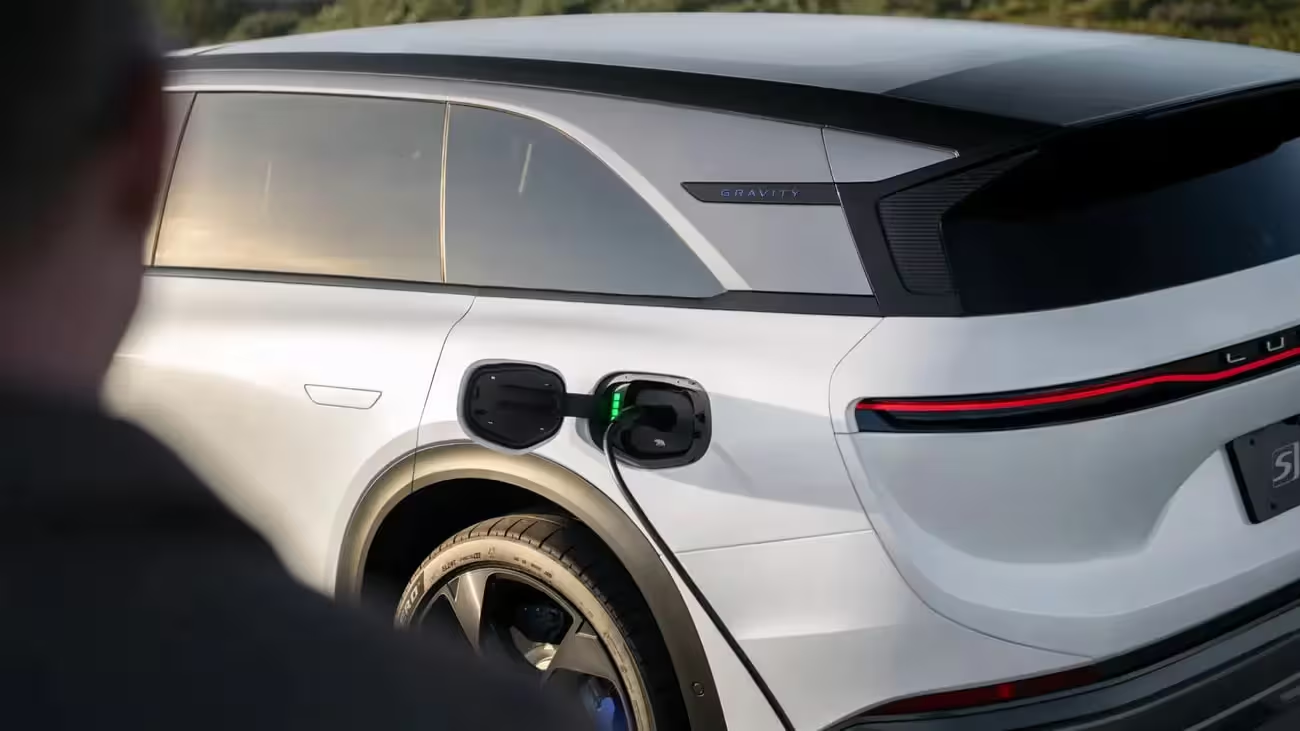
Only 27 percent of distance travelled in PHEVs is in full-electric mode, T&E found, so the internal combustion engine does most of the work on most journeys.
T&E traces the discrepancy largely to the regulatory formula used to estimate electric driving share, known as the "utility factor," which assumes drivers charge far more often than they do in reality. The group did not accuse manufacturers of manipulating tests and said the legal method now yields figures that do not reflect actual charging and usage.
Increasing battery capacity alone did not close the gap. Models with an electric range above 70 km showed a larger gap and averaged about 200 g CO2/km; models with 50–70 km range averaged about 182 g CO2/km. Heavier batteries and stronger petrol engines increased emissions once the battery was depleted.
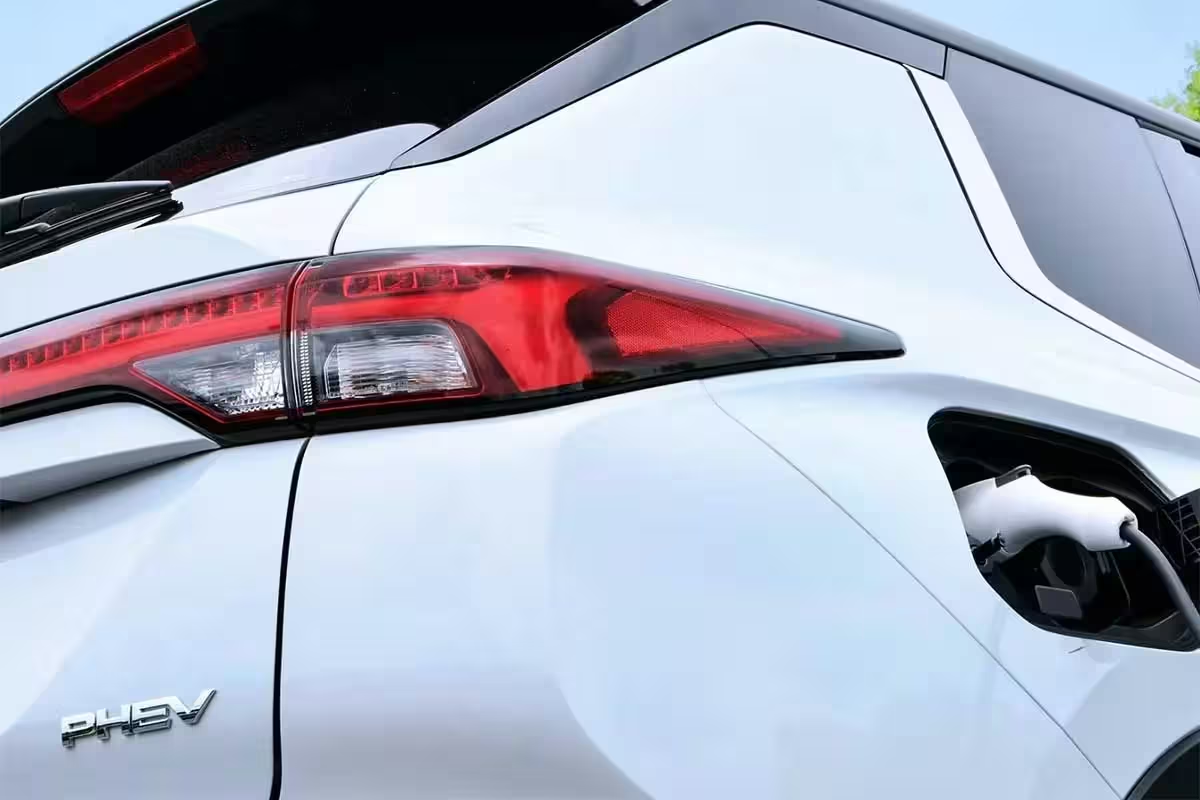
Electric motor power had a stronger effect. PHEVs whose electric motor is at least 25 percent more powerful than the combustion engine averaged 108 g CO2/km, while those with weaker electric motors averaged 227 g CO2/km.
T&E estimates the real-world fuel-cost penalty at about €680 per PHEV owner per year in Western markets compared with what official consumption figures imply.
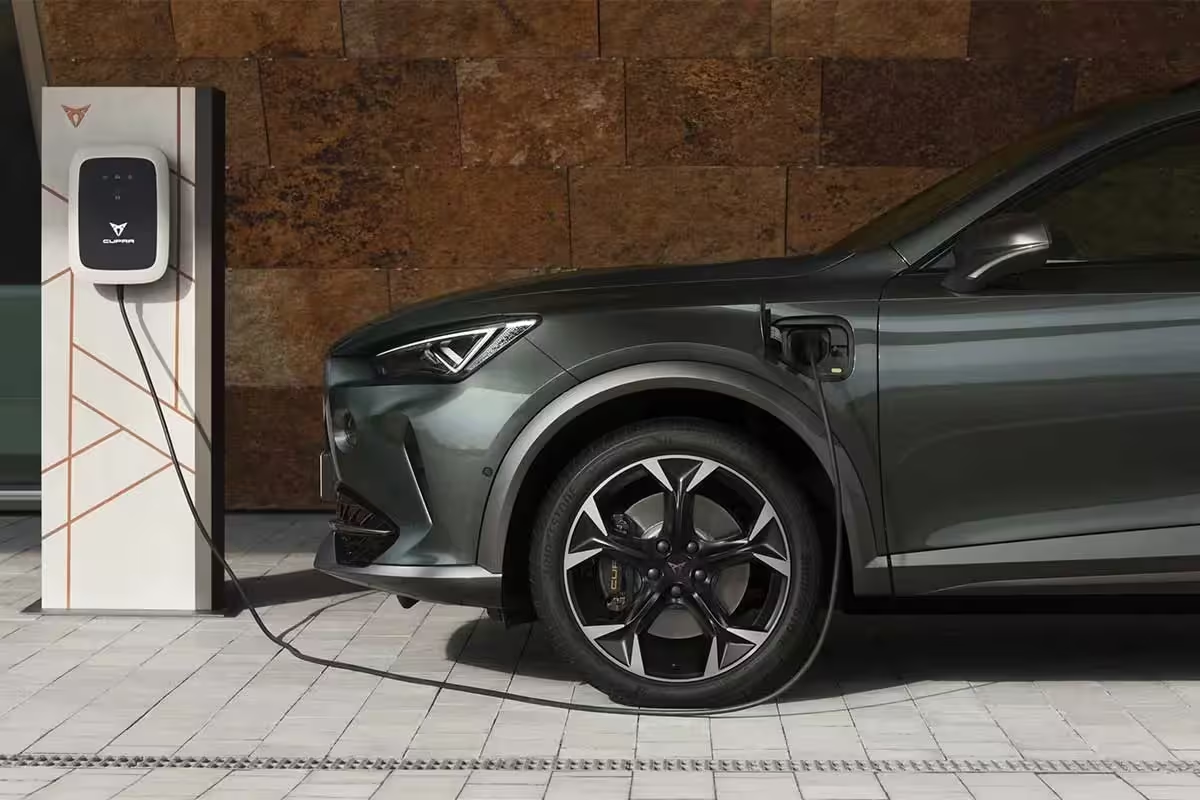
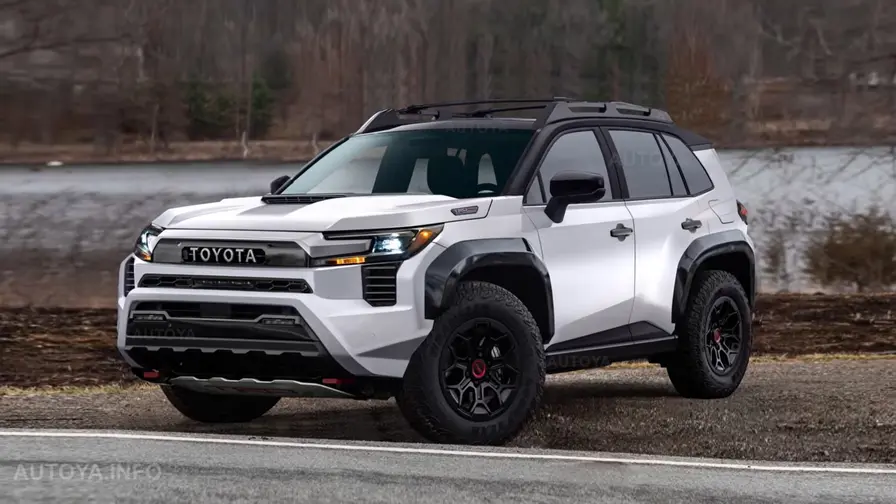
For buyers choosing between a Toyota RAV4 Prime and a RAV4 hybrid, actual savings depend on charging habits and access. The RAV4 Prime’s quoted electric range of about 85 km can cover many daily commutes if owners charge at home or work.
Without regular charging, a conventional hybrid can deliver similar real-world efficiency at a lower purchase price. The analysis covers vehicles registered in 2024 and relies on European Environment Agency driving data.

Leave a Comment
Comments
No comments yet. Be the first.