
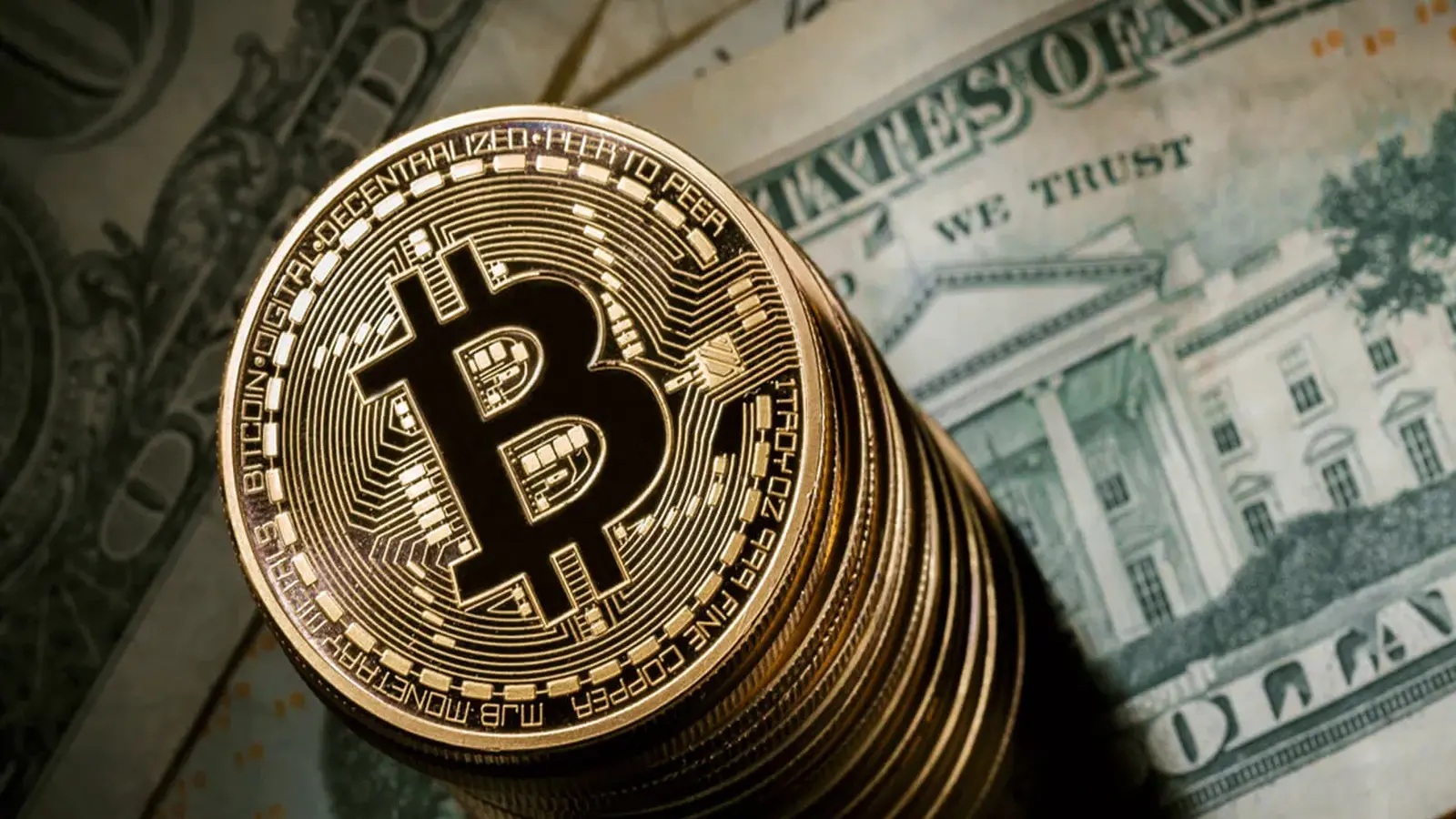
Weekly crypto recap: BTC slips, ETF outflows, and major regulatory moves
Bitcoin slid below the $56,000 mark this week as U.S. spot Bitcoin ETFs experienced accelerating redemptions, while lawmakers and regulators moved swiftly on several fronts. The U.S. Senate passed the DEATH BETS Act restricting certain prediction-market contracts, and the SEC secured an emergency asset freeze in a high-profile alleged $560 million crypto investment fraud. Below is a detailed roundup of market action, regulatory developments, and notable industry updates shaping the crypto landscape.
Market snapshot: Bitcoin and ETF flows
The market opened the week with modest optimism but ended with renewed selling pressure across risk assets. Bitcoin fell under $60,000 on Friday and traded around $55,830 early Saturday, marking its weakest level since September 2024. Tech sector worries, particularly around AI valuation sentiment, contributed to the broader risk-off move that impacted crypto markets.
Spot Bitcoin ETFs in the U.S. reversed course sharply. After recording a small $7.9 million inflow at the start of the week, the funds suffered net withdrawals of roughly $1.12 billion from Monday through Thursday. BlackRock’s IBIT led Thursday’s outflows, accounting for about $541.1 million of the $582.3 million withdrawn that day. These ETF flows have become an influential driver of short-term Bitcoin price dynamics and remain a critical metric for traders and institutional investors monitoring liquidity and demand.
Why ETF redemptions matter
Spot Bitcoin ETFs act as a bridge between traditional finance and digital assets, providing investors with regulated exposure to Bitcoin without direct custody. Substantial outflows can pressure market liquidity and prompt selling by market makers and authorized participants, which in turn weighs on spot prices. Conversely, sustained inflows have supported past rallies, making ETF flow tracking essential for market participants.

Senate passes DEATH BETS Act
On Nov. 19, the Senate passed the DEATH BETS Act by voice vote after adopting an amendment from Senators Adam Schiff and John Curtis. The revised text prohibits registered entities from listing or clearing covered contracts that directly reference terrorism, assassination, war, or U.S. military operations. The amendment tightened language around contracts tied to a person’s death and explicitly added U.S. military operations to the prohibited categories.
A companion bill in the House uses earlier wording, so both chambers must reconcile differences before the measure can reach the president. The legislation directly impacts prediction markets, derivatives, and platforms that list sensitive event-linked contracts, and will be closely watched by crypto exchanges and decentralized prediction-market protocols that facilitate event-based betting.

SEC freezes assets in alleged $560M crypto fraud
The SEC announced it had obtained an emergency asset freeze in a case involving Backward Hat Capital and its co-founders, Phillip Williams and Devin Johnson. The agency alleges the firm raised about $560 million from over 2,000 investors by promoting an AI-driven crypto strategy that purportedly guaranteed at least 6% monthly returns. Regulators claim more than $250 million was funneled to earlier investors, a hallmark of Ponzi-style schemes.
Federal prosecutors filed separate charges against the founders, and a federal court in Indiana appointed a temporary receiver in a parallel CFTC matter. The case highlights ongoing enforcement intensity against purported investment schemes that misuse blockchain and crypto terminology to attract retail and institutional capital.
Blockchain forensics: More Ether linked to Binance breach moves
Blockchain analytics firm Lookonchain traced another 137,602 ETH moving from wallets linked to the October breach of Binance, equivalent to about $248 million at the time of reporting. Binance has previously reported total losses from the breach near $6.34 billion. These wallet movements are closely tracked by exchanges, custodians, and chain analysts because they can signal attempts to launder funds, reposition stolen assets, or prepare for liquidations that could disrupt ETH and broader crypto market liquidity.
Banking rails and institutional crypto transfers
DBS and JPMorgan announced a 24/7 dollar transfer service enabling eligible institutional clients to move USD deposits between the banks’ blockchain platforms in Singapore and the U.S., including on weekends. Ant International became the first client to use the service for cross-market cash management. Faster, round-the-clock rails for dollar transfers aim to reduce settlement friction for institutional crypto operations and improve treasury efficiency for firms using bank-linked blockchain platforms.
Industry moves and product launches
- Payward, the parent of Kraken, agreed to acquire investment manager Tribe Capital, which manages about $2.7 billion in assets. The deal is expected to close in Q1 2027, subject to conditions. Tribe’s connection to crypto industry leaders could deepen institutional service offerings tied to Kraken’s infrastructure.
- The European Commission escalated infringement proceedings against Czechia and Spain for gaps in implementing DAC8 crypto tax reporting rules. Both countries have two months to respond; the next major milestone is the first exchange of 2026 transaction data among EU tax authorities by Sept. 30, 2027.
- Sky Frontier Foundation reported its USDC reserves remained at or above $800 million during a swap surge and later recovered above $1.1 billion. The protocol’s swap module lets users exchange Sky’s USDS and DAI for USDC subject to fees and liquidity availability, underscoring how stablecoin reserve management remains vital for market confidence.
- Coinbase launched crypto options trading for eligible international customers, listing six assets including Bitcoin, Ethereum, and XRP. The contracts settle in USDC and run on Deribit infrastructure, expanding derivatives access for non-U.S. traders.
- Securitize executed its first tokenized Apple dividend payments in USDC to Solana wallets on Nov. 16, tracing $43.14 across 20 wallets. Tokenized dividends signal growing experimentation with securities tokenization and programmable payouts.
What to watch next
Market participants will track ETF flows, on-chain movement of assets from known breach wallets, and regulatory progress in both the U.S. and EU. Enforcement actions like the SEC’s emergency freeze and legislation like the DEATH BETS Act underscore regulators’ evolving focus on crypto market integrity and consumer protection. For investors and institutions, liquidity metrics, regulatory developments, and custody risk remain top considerations as the crypto sector matures.
Stay tuned for next week’s update as we continue to monitor Bitcoin price action, ETF dynamics, and further regulatory and on-chain developments that shape the crypto ecosystem.


Leave a Comment
Comments (1)
So ETFs redeemed $1.12B in a few days? Is that even real or just market makers playing games, smells fishy, could push BTC lower...