
4 Minutes
Apple-driven Upswing: Why IDC Raised Its 2025 Forecast
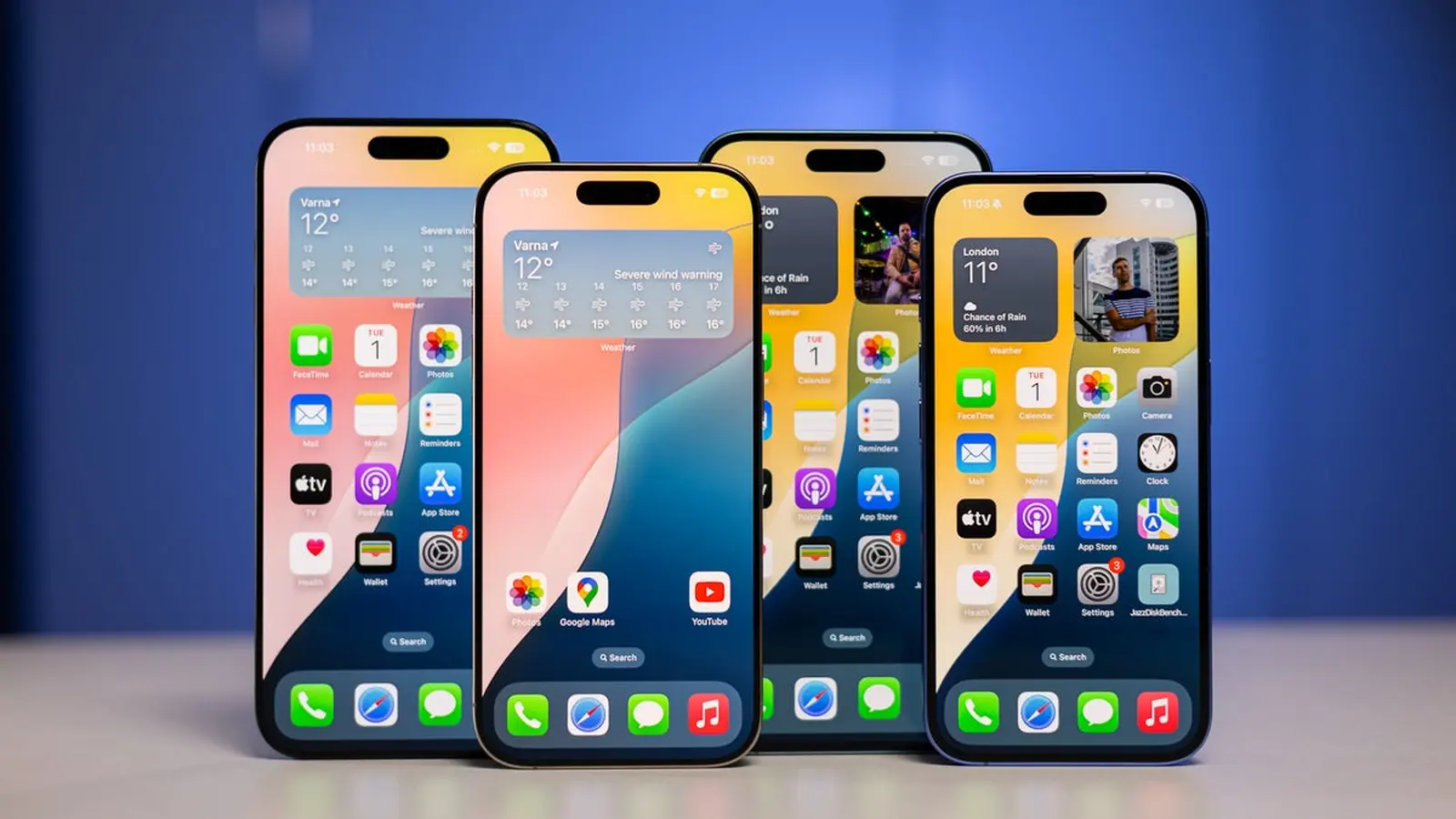
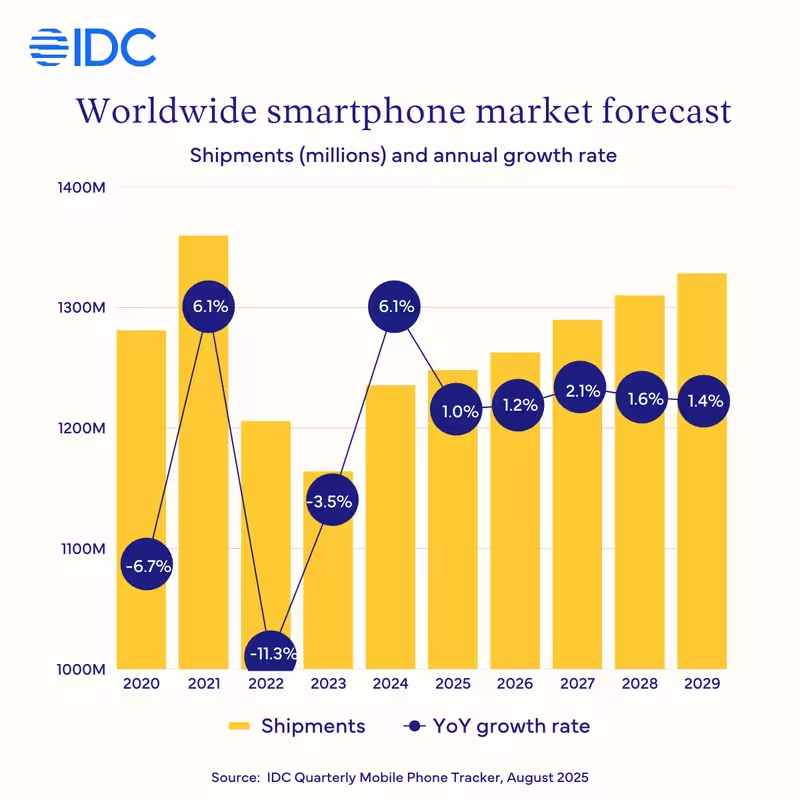
The smartphone market’s outlook for 2025 has shifted again as Apple’s stronger-than-expected iOS performance pushes analysts to revise growth estimates upward. IDC’s latest Worldwide Quarterly Mobile Phone Tracker now forecasts global smartphone shipments will rise about 1% year-over-year in 2025, up from a previous 0.6% projection earlier this year. IDC attributes that improvement largely to an "accelerated 3.9% iOS growth."
Earlier forecasts were trimmed because of macroeconomic pressures — inflation, uneven employment, and tariff volatility — that dampened consumer spending. IDC still flags those risks, but notes a healthy replacement cycle and pockets of demand in key regions are supporting renewed growth that could extend into 2026. As Nabila Popal, senior research director with IDC's Worldwide Quarterly Mobile Phone Tracker, observed in August 2025: "OEMs must push forward their diversification and production plans to ensure there are enough shipments to fulfill demand which remains healthy in most markets, in select segments."
Regional Dynamics: Winners and Losers
Most regions are expected to record positive growth in 2025. China is the notable exception, forecasted for a roughly 1% decline. Meanwhile, the U.S. market is projected to grow 3.6%, the Middle East and Africa could expand by 6.5%, and Asia Pacific (excluding China) may see modest growth of 0.8%. These regional shifts underscore how carrier promotions, trade policy, and local economic conditions shape device replacement cycles.
Product Trends: AI, GenAI Phones and Foldables
GenAI phones and AI on-device: IDC expects GenAI-enabled smartphones to account for around 30% of the market in 2025, rising to more than 70% by 2029. This forecast is driven by improved on-device AI capabilities, broader use cases (content creation, smart assistants, image and video editing), and better consumer awareness of AI features. For buyers and developers, that means AI-accelerated apps, enhanced camera experiences, and more powerful personal assistants will become table stakes across flagship and midrange devices.
Foldables: Foldable devices are forecast to grow ~6% in 2025 and again in 2026, then accelerate to 11% in 2027. Despite that growth, IDC still projects foldables will remain niche, representing less than 3% of shipments by 2029. Enthusiasts argue recent hardware — like the Galaxy Z Fold 7 and Oppo Find N5 — have made foldables feel mainstream-ready; the arrival of an Apple iPhone Fold could force another forecast revision.

Product features and comparisons
Flagship iPhones continue to compete on performance (A-series silicon), camera systems, OS integration, and ecosystem services (iCloud, App Store optimization). Android competitors emphasize hardware diversity, on-device AI chips from various vendors, and early foldable innovations. Foldables trade compact-pocket convenience for larger-screen productivity; their differentiators today include hinge reliability, multitasking UX, and app optimization for flexible displays.
Advantages and use cases
iPhone advantages: consistent OS updates, tightly integrated hardware/software, strong resale value and developer ecosystem. Android/other OEM advantages: broader price tiers, experimental hardware (foldables, varied sensors), and rapid feature diversification. Use cases driving replacements include mobile photography, AI-assisted productivity, remote work, and gaming. GenAI features will accelerate creative workflows on phones—drafting text, generating media, and automating routine tasks directly on-device.
Market Relevance and What OEMs Should Do
For OEMs and supply-chain planners, the message is clear: diversify manufacturing footprints, secure component supply, and align production with the accelerating demand for AI-capable devices. While tariff volatility remains a background risk, most vendors face healthy segment-level demand now. Those who optimize for GenAI capabilities and streamline app developer support will likely capture a larger share of the transitioning market.
Receive the latest iOS news
Enter your e-mail
By subscribing you agree to our terms and conditions and privacy policy.
Worldwide smartphone shipments forecast — IDC

"I’m not surprised that the majority of smartphones will have AI features, but I’d be disappointed if that forecast about foldable phones turns out to be true. The latest foldables, like the Galaxy Z Fold 7 and the Oppo Find N5, were the first of their kind to make me believe that a foldable can be a mainstream device. I guess that if Apple’s rumored iPhone Fold is anything like those, IDC would need to adjust its forecast once again."






Leave a Comment
Comments
No comments yet. Be the first.