
4 Minutes
What the Pixel 10 Line Brings
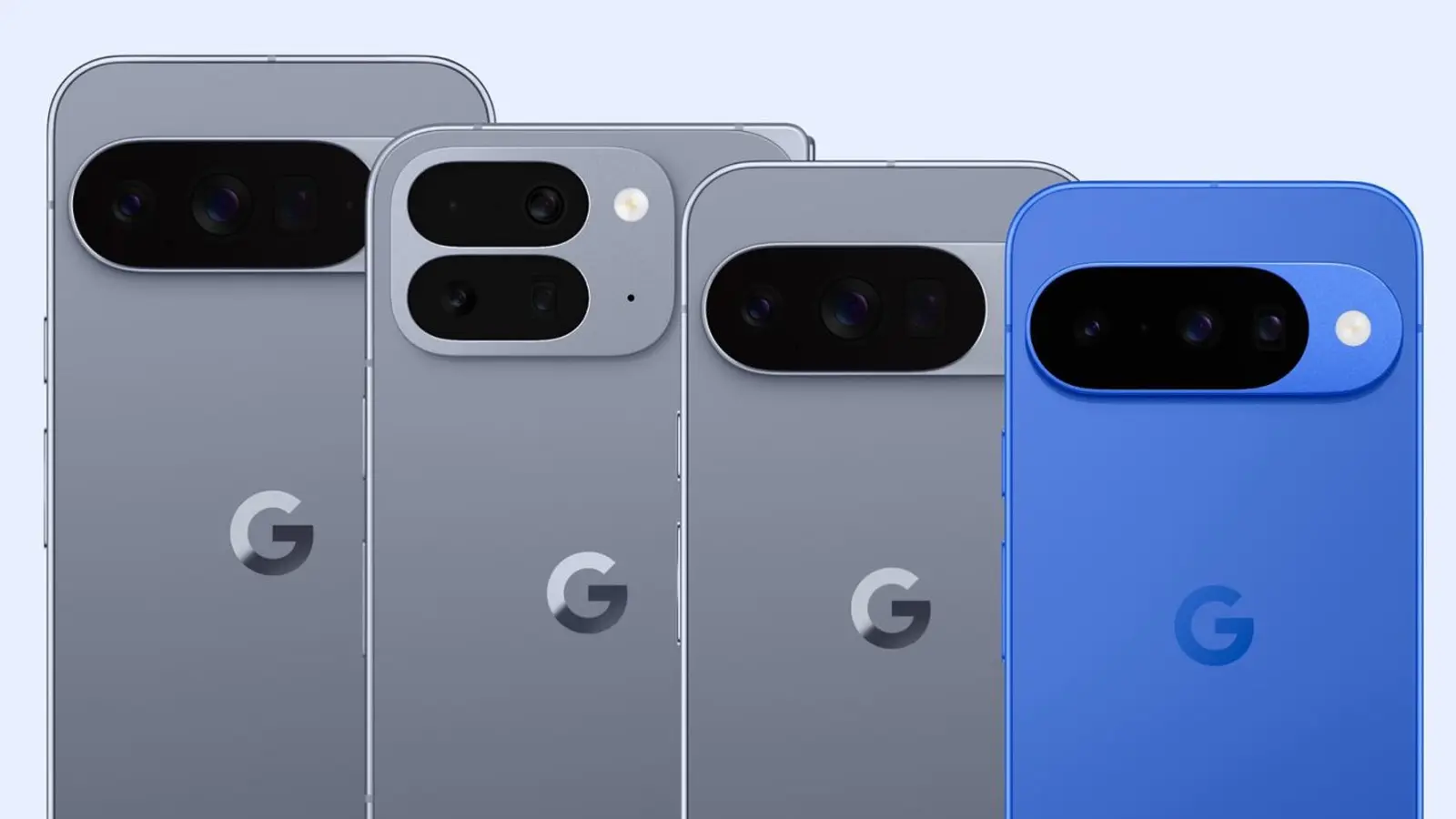
Google’s Pixel 10 family is the company’s most polished release yet, upgrading displays, introducing the Tensor G5 SoC and expanding on-device AI features. New hardware and software highlights include Qi2 magnetic wireless charging with Pixelsnap support and generative tools like Magic Cue, Camera Coach and Pixel Journal. Still, these refinements aren’t an automatic win for every buyer—several compromises make the Pixel 10, 10 Pro and 10 Pro XL the wrong choice for some types of users.
Product Features — What’s New and Notable
Key specs and features to know:
- Processor: Google Tensor G5, tuned for on-device AI and power efficiency rather than pure benchmark dominance.
- Charging: Qi2 magnetic wireless charging (Pixelsnap) and capped wired speeds (up to 29W on Pixel 10, 39W on Pro XL).
- AI tools: Magic Cue, Add Me, Camera Coach and Pixel Journal for assisted photography and private journaling.
- Camera changes: A telephoto arrives on the non-Pro Pixel 10, while Pro models retain much of Pixel 9 Pro’s hardware with software-driven improvements.
- Connectivity: In the U.S., Pixel 10 models are eSIM-only—physical SIMs remain in select markets.
Performance and Thermal: Who Should Look Elsewhere
Power users and mobile gamers should be cautious. The Tensor G5 advances Google’s AI capabilities and efficiency, but it doesn’t deliver Snapdragon-level peak performance. Benchmarks such as AnTuTu place the G5 near ~1.2 million points versus over 2.2 million for the Snapdragon 8 Elite, and GPU throughput remains a bottleneck for graphics-heavy gaming and demanding creative workloads. Thermal management also trails some competitors, so prolonged high-load sessions (gaming, 3D rendering, video exports) may be better served by devices with Snapdragon 8 Elite or Apple A18 Pro silicon.
Camera and Imaging: Improvements, But Not a Revolution
Google continues to excel at computational photography. However, photographers expecting major hardware upgrades will be disappointed. The Pixel 10 introduces a telephoto lens to the base model, yet the main and ultra-wide sensors are smaller than those used in the Pixel 9 family. Pro variants largely reuse Pixel 9 Pro sensors; software features like Auto Best Take and Camera Coach help composition but don’t fully substitute for sensor or optics upgrades. If you already own a Pixel 8 Pro or 9 Pro, the visible leap in image quality and versatility may be modest.
Battery and Charging: Competitive but Conservative
Battery capacities (Pixel 10: ~4970mAh; Pixel 10 Pro: ~4870mAh; Pro XL: ~5200mAh) are competitive on paper but deliver only middling real-world endurance versus top rivals. Wired charging caps at 29W–39W and wireless Qi2/Pixelsnap tops out at 15W–25W depending on model—slower than offerings from OnePlus, Xiaomi and Samsung. Google’s decision to omit a charger from the box further increases upgrade cost for users who want the fastest charging experience.
Connectivity and Travel: eSIM-Only Trade-Offs
Google’s move to eSIM-only hardware in the U.S. simplifies design but complicates travel and SIM swapping. Many regions and carriers still rely on physical SIMs or inconsistent eSIM support—frequent travelers, journalists, and anyone who toggles between carriers should weigh this carefully. Some markets (for example India) retain physical SIM slots, but the trend suggests future Pixels may remove SIM trays entirely.
AI Features: Promising, But Early-Stage
On-device generative AI is central to the Pixel 10 narrative. Features like Magic Cue and Pixel Journal show strong potential for privacy-first, offline experiences. Yet expect inconsistent results early on—detection errors, UI glitches and limited language support can undermine usability. Users who assume flawless, universal AI performance out of the box may be disappointed until iterative updates improve robustness.
Who Should Consider Waiting or Choosing Alternatives
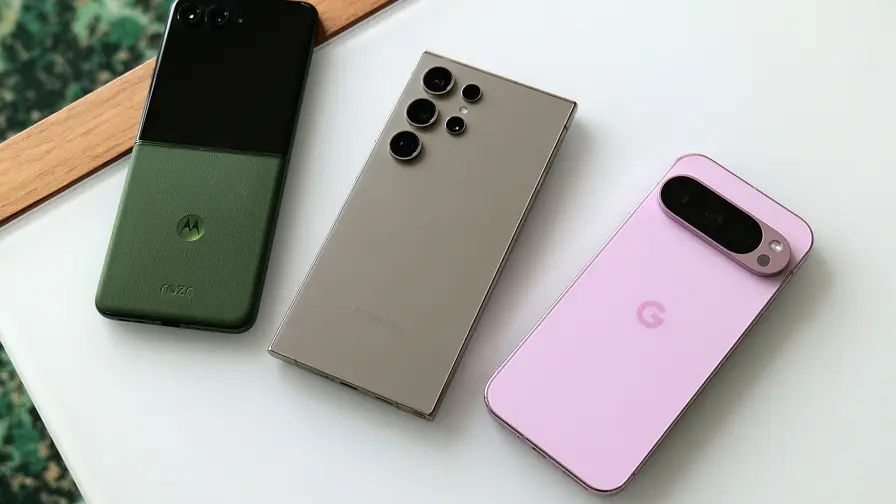
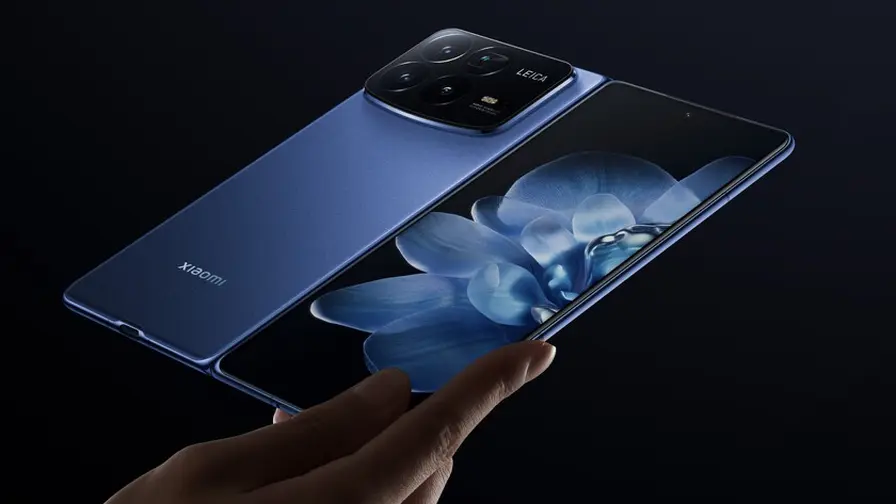
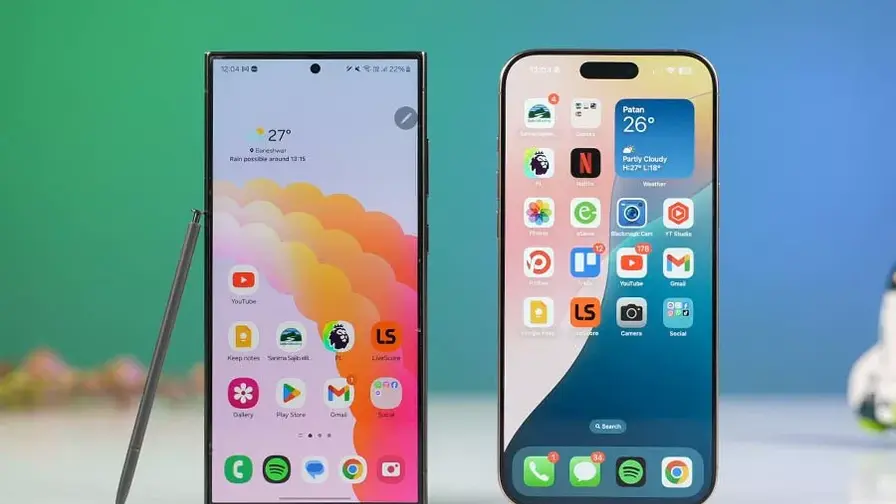
Upgrade candidates from Pixel 8/9 Pro will see incremental gains rather than transformative ones. If your priorities are top-tier raw performance, fastest-in-class wired/wireless charging, or major camera hardware leaps, look to alternatives such as the Galaxy S25 Ultra or Xiaomi 15 Ultra—or wait for future Pixel generations. The Pixel 10 lineup remains compelling for enthusiasts who value smart software, privacy-focused on-device AI, polished UI and extended update support, but it still lags in GPU performance, charging innovation and universal global usability.
Market Relevance and Use Cases
For consumers who prioritize daily AI-assisted workflows, secure on-device processing and Google Photos integration, the Pixel 10 series is a sensible, future-facing choice. Professionals who rely on maximum compute, peak GPU performance or the fastest charging will likely prefer flagship alternatives that prioritize raw specs. For frequent travelers and multi-SIM users, eSIM-only designs require careful carrier checks before purchase.
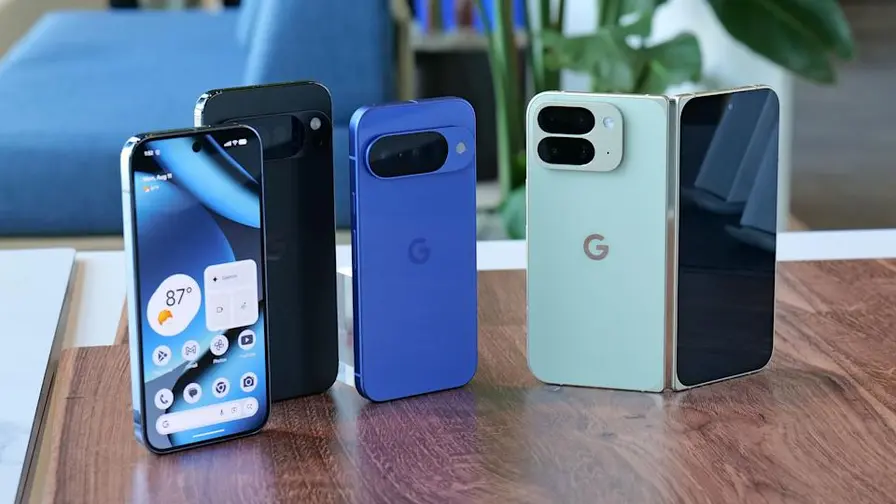
In short: the Pixel 10 brings meaningful software and AI improvements and refines Google’s flagship formula—but it intentionally trades off peak raw power and fastest charging in favor of efficiency and on-device intelligence. Choose based on your use case: AI-first and software polish, or hardware-first and highest benchmark numbers.








Leave a Comment
Comments
No comments yet. Be the first.