
5 Minutes
gaming in 2025 and why your TV matters
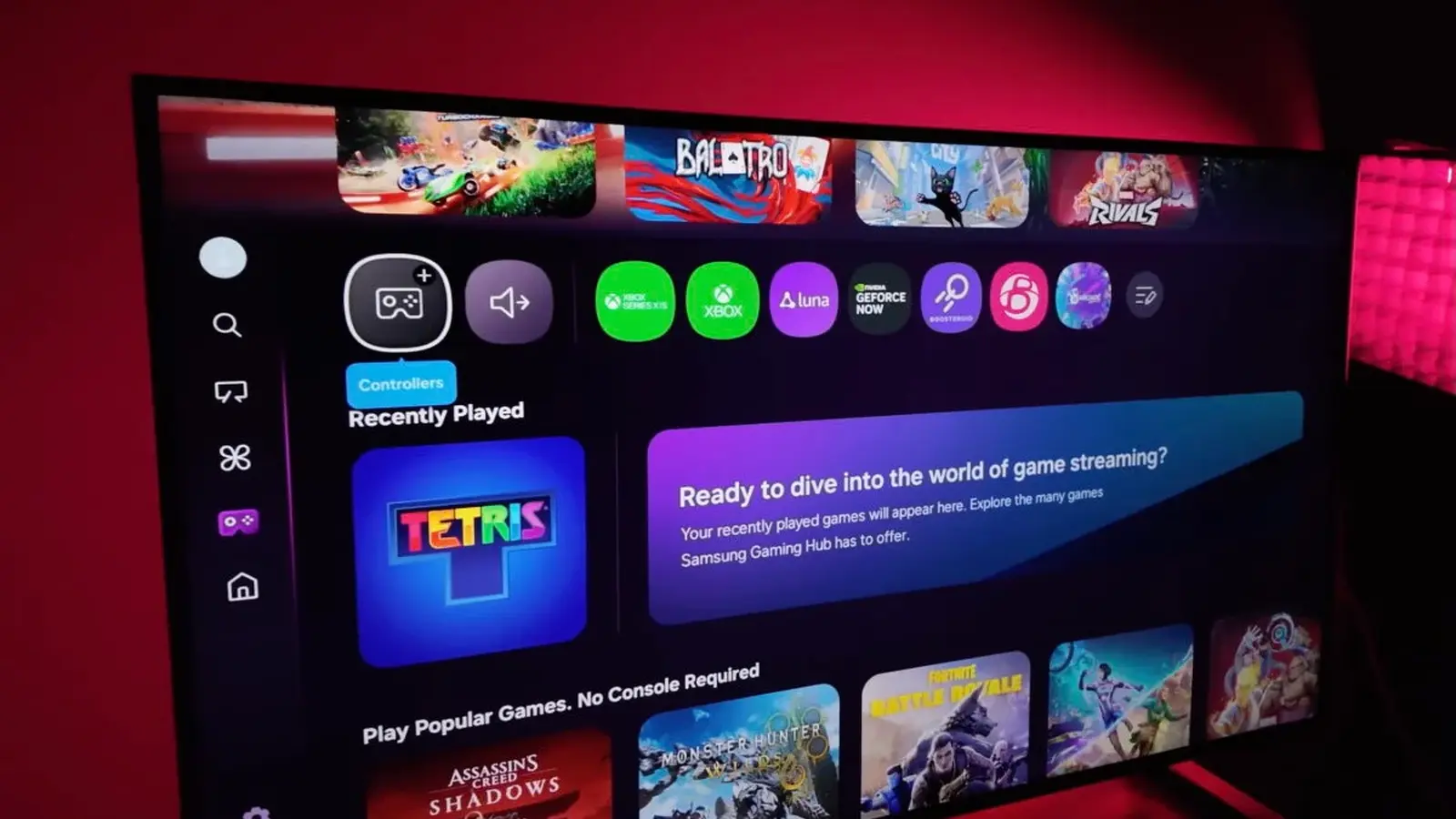
As the gaming landscape heats up in late 2025 — with major sequels arriving and new hardware like the Nintendo Switch 2 establishing itself — picking the right TV has become as important as choosing a console. If you plan to play competitively or simply want the smoothest, most immersive visuals, your display choice will directly affect frame rates, input latency, HDR performance, and perceived responsiveness. In this guide I explain why Samsung's Crystal UHD series is a poor fit for modern gaming and why Neo QLED or OLED should be your target if gaming performance is a priority.
Three technical reasons to avoid Crystal UHD for gaming
1. Refresh rate limit — 60Hz vs 120Hz
Most Samsung Crystal UHD models cap out at a 60Hz refresh rate. That means you can’t run games above 60 frames per second on the native panel. By contrast, Neo QLED and many OLED TVs offer 120Hz panels that let high-frame-rate gameplay feel significantly smoother and more responsive. If you own a PS5, Xbox Series X|S, or a PC capable of 120fps, a 60Hz TV prevents you from taking full advantage of that hardware.
2. Higher input lag and slower response times
Crystal UHD sets use conventional LCD panels and typically have slower pixel response times and higher input lag compared with Neo QLED and OLED displays. In fast-paced shooters and competitive multiplayer titles, that extra delay can translate into missed shots or slower reactions. In my hands-on experience with Samsung models, Neo QLED TVs consistently feel snappier and more accurate to controller inputs than Crystal UHD screens.
3. Lack of adaptive sync — no AMD FreeSync
Screen tearing and stuttering are common when frame rates fluctuate. Many Neo QLED and high-end TVs support adaptive sync technologies like AMD FreeSync, which smooths out variable frame rates and greatly improves perceived responsiveness. Most Crystal UHD models omit FreeSync, so they are more likely to show tearing when frame pacing is inconsistent.
Feature comparison: Crystal UHD vs Neo QLED vs OLED
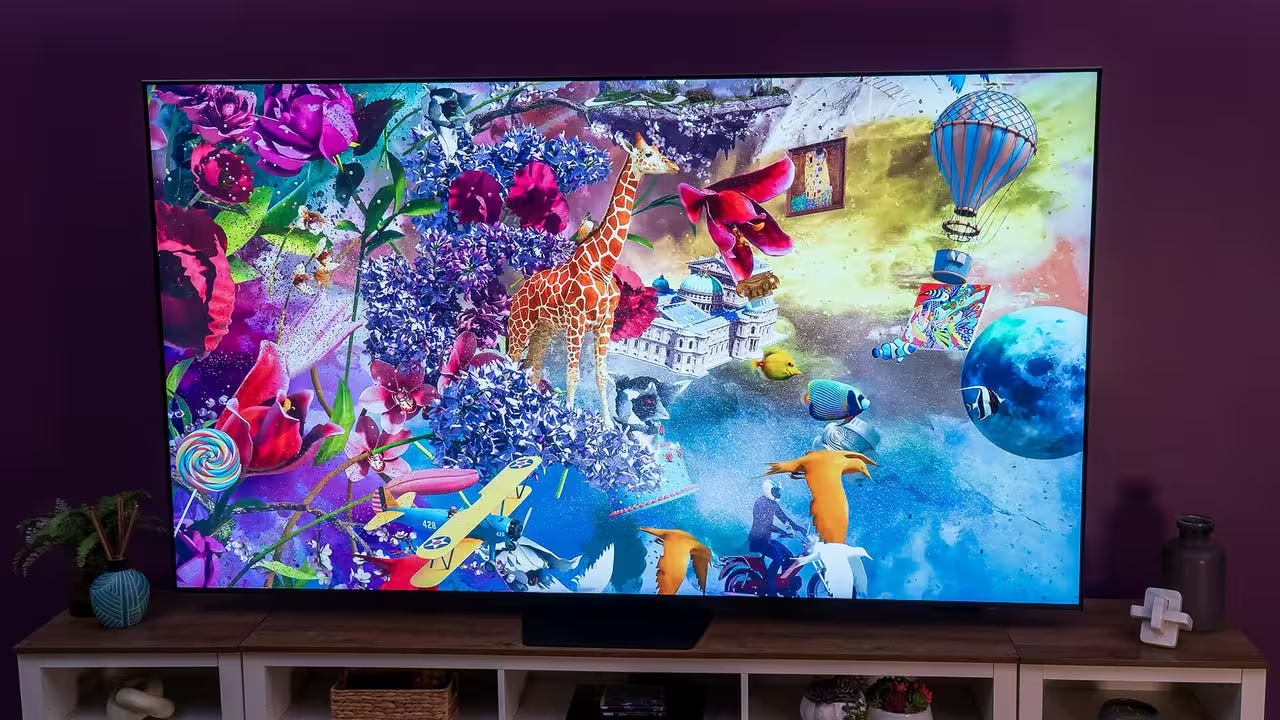
When evaluating a TV for gaming, look beyond size and price. Key features that matter include native refresh rate (60Hz vs 120Hz), input lag, support for FreeSync or VRR, HDR peak brightness, contrast ratio, and local dimming. Neo QLED brings mini-LED backlighting and aggressive local dimming for improved contrast and HDR highlights, while OLED offers perfect blacks and pixel-level response for the best contrast and motion clarity. Crystal UHD is affordable and can deliver large panels, but it compromises on refresh rate, response, and HDR performance.
Real-world gaming impact and use cases

If you mostly stream movies and TV shows or want a very large screen on a tight budget, a Crystal UHD TV can be a practical choice — its 60Hz refresh rate and lack of VRR don't matter much for non-interactive content. For casual single-player gaming where responsiveness is not critical, Crystal UHD can be acceptable.
However, for competitive shooters, fast-action racing games, or any title where reaction time and smoothness matter — think Call of Duty entries, Battlefield sequels, or fast-paced fighting games — Neo QLED or OLED will deliver tangible advantages. Those include lower input lag, higher frame-rate support, better motion handling, brighter HDR highlights for explosions and reflections, and deeper contrast for immersive visuals.
Price and market relevance
Cost is the primary reason many buyers consider Crystal UHD. For example, Samsung’s 85-inch U8000F was priced aggressively in 2025, making very large screens accessible on a budget. Meanwhile, Neo QLED models like the QN90F come at a premium — smaller sizes start higher and the largest models can cost several times more. That price delta lets buyers choose between bigger but technically limited displays (Crystal) and smaller but higher-performance panels (Neo QLED/OLED).
From a market perspective, Crystal UHD fills the entry-level 4K segment by targeting consumers prioritizing screen size and price over gaming-specific features. Neo QLED and OLED serve enthusiasts and gamers who want future-proof performance, higher refresh rates, and superior HDR. If you play next-gen titles or use a high-frame-rate PC, the performance benefits of Neo QLED or OLED justify the premium for many buyers.
Practical recommendations
- If gaming is your priority: aim for a Neo QLED or OLED TV with 120Hz support, low input lag, and VRR (AMD FreeSync or equivalent). These displays offer better motion clarity, HDR, and responsiveness.
- If movies and streaming are the primary use case: Crystal UHD is a reasonable budget option, especially if you want a larger screen for less money. Expect compromises in brightness, contrast, and gaming responsiveness.
- If budget is flexible: prioritize features over pure size. A smaller 43–55 inch Neo QLED with 120Hz and VRR will often feel better for gaming than a much larger Crystal UHD set.
Conclusion
Samsung's Crystal UHD series is a compelling value proposition for viewers who prioritize screen size and price. But for gamers — especially those playing competitive or high-frame-rate titles — the 60Hz cap, higher input lag, and lack of adaptive sync present real, measurable downsides. If gaming performance matters to you, skip the Crystal UHD line in favor of Neo QLED or OLED to get lower latency, 120Hz support, better HDR, and an overall more responsive experience.




Leave a Comment
Comments
No comments yet. Be the first.