

4 Minutes
Zach Cregger Shapes an Original Resident Evil Film
Director Zach Cregger has clarified the creative direction for the next Resident Evil film: it will be an entirely original story set in Capcom's survival-horror universe, and series staple Leon Kennedy will not appear. The announcement reshapes expectations for one of gaming's most adapted IPs and positions the movie as a fresh cinematic entry rather than a character-driven retread.
What we know so far
Details remain limited, but public statements and early casting news sketch the broad strokes. Austin Abrams, known for roles in This Is Us and Euphoria, is the first confirmed lead and is widely expected to play a hapless courier who becomes trapped during a biohazard outbreak at a remote hospital. Actor Paul Walter Hauser has also joined the production. The film is produced as an IP-based project that aims to honor the Resident Evil canon while offering a new narrative perspective.
Director's intent: faithfulness through originality
Cregger has emphasized that his approach is to tell a Resident Evil story that feels like his creative fingerprint while preserving the core elements fans associate with the games. He explained that rather than transplanting established characters into an original plot, he prefers to expand the universe with new protagonists and situations. The goal appears to be a balance between creative autonomy and respect for an established franchise.
Synopsis and tone
Official synopsis: a courier delivering a package to a remote hospital finds themselves at the center of an outbreak and must fight to survive against mutated creatures. That logline suggests a claustrophobic, survival-horror tone consistent with the franchise’s roots, potentially emphasizing practical effects, atmospheric tension, and modern visual effects to enhance creature design and action sequences.

- Lead actor: Austin Abrams (probable courier)
- New cast: Paul Walter Hauser confirmed
- Director: Zach Cregger (Barbarian)
- Theatrical release: September 18, 2026
How this fits into the broader Resident Evil media landscape
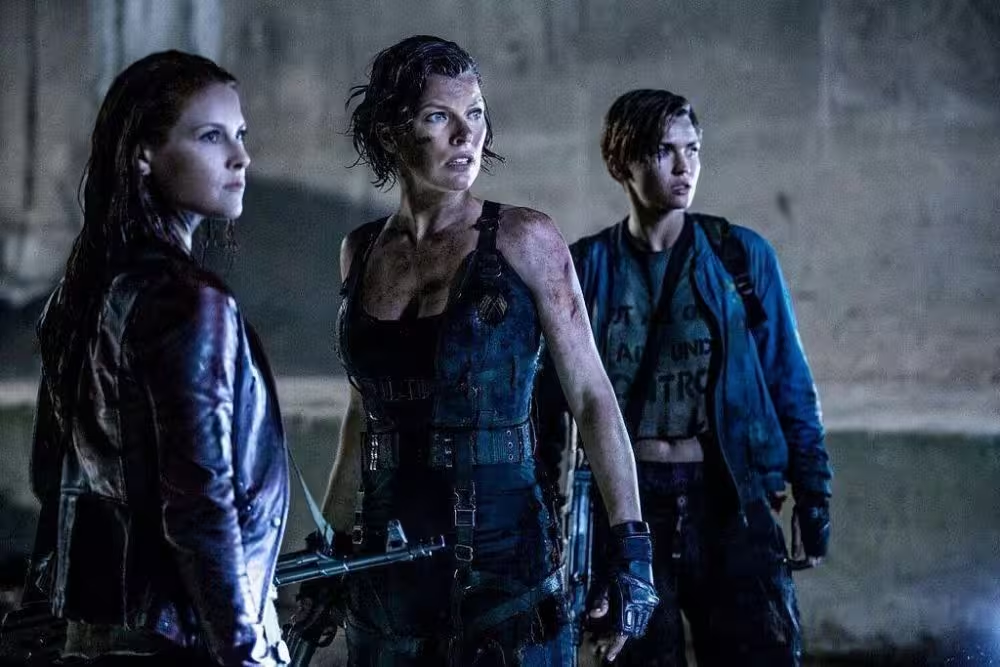
This will be the third major film saga adapted from Capcom’s survival-horror property. The franchise history includes Paul W. S. Anderson's six-film series starring Milla Jovovich, the 2021 reboot Resident Evil: Welcome to Raccoon City, and a Netflix television adaptation that was canceled after one season. Cregger’s project arrives at a time when transmedia strategies—integrating game releases, films, and streaming content—are central to entertainment companies seeking to maximize IP value.
Capcom also plans major game releases alongside the movie timeline: Resident Evil Requiem is scheduled for February 27, 2026, which creates a coordinated release window in which both the game and the new film could mutually boost audience interest and cross-platform engagement.
Industry context: video game adaptations and audience expectations
Video game-to-film adaptations have had mixed outcomes historically, with successes often tied to a faithful tone and clear understanding of audience expectations. Cregger’s choice to avoid transplanting iconic characters like Leon Kennedy can be seen as strategic: it reduces direct comparisons to beloved in-game portrayals while enabling the film to explore new narrative mechanics within the Resident Evil canon.
From a production and technology standpoint, the film will likely rely on a blend of practical creature effects and contemporary VFX workflows to deliver immersive horror sequences that translate well on theatrical screens. For Capcom and studios involved, the film is both a creative venture and a market test for how legacy gaming IPs can be refreshed for global audiences.
Key takeaways
- The film is an original Resident Evil story rather than a direct adaptation of a game plotline.
- Leon Kennedy will not feature in this iteration, per the director’s creative choice.
- Release date is set for September 18, 2026; the Resident Evil Requiem game arrives earlier in 2026.
As production progresses, fans and industry watchers will be looking for more casting updates, trailers, and indications of how the film will connect—if at all—to existing entries in the franchise ecosystem. For now, the project signals a continued interest from studios in leveraging major game IPs through original cinematic storytelling and cross-platform release strategies.



.webp "Redmi 17C 5G: 6.9-inch Screen and 6,000mAh Power Lands")



Leave a Comment
Comments
No comments yet. Be the first.