
3 Minutes
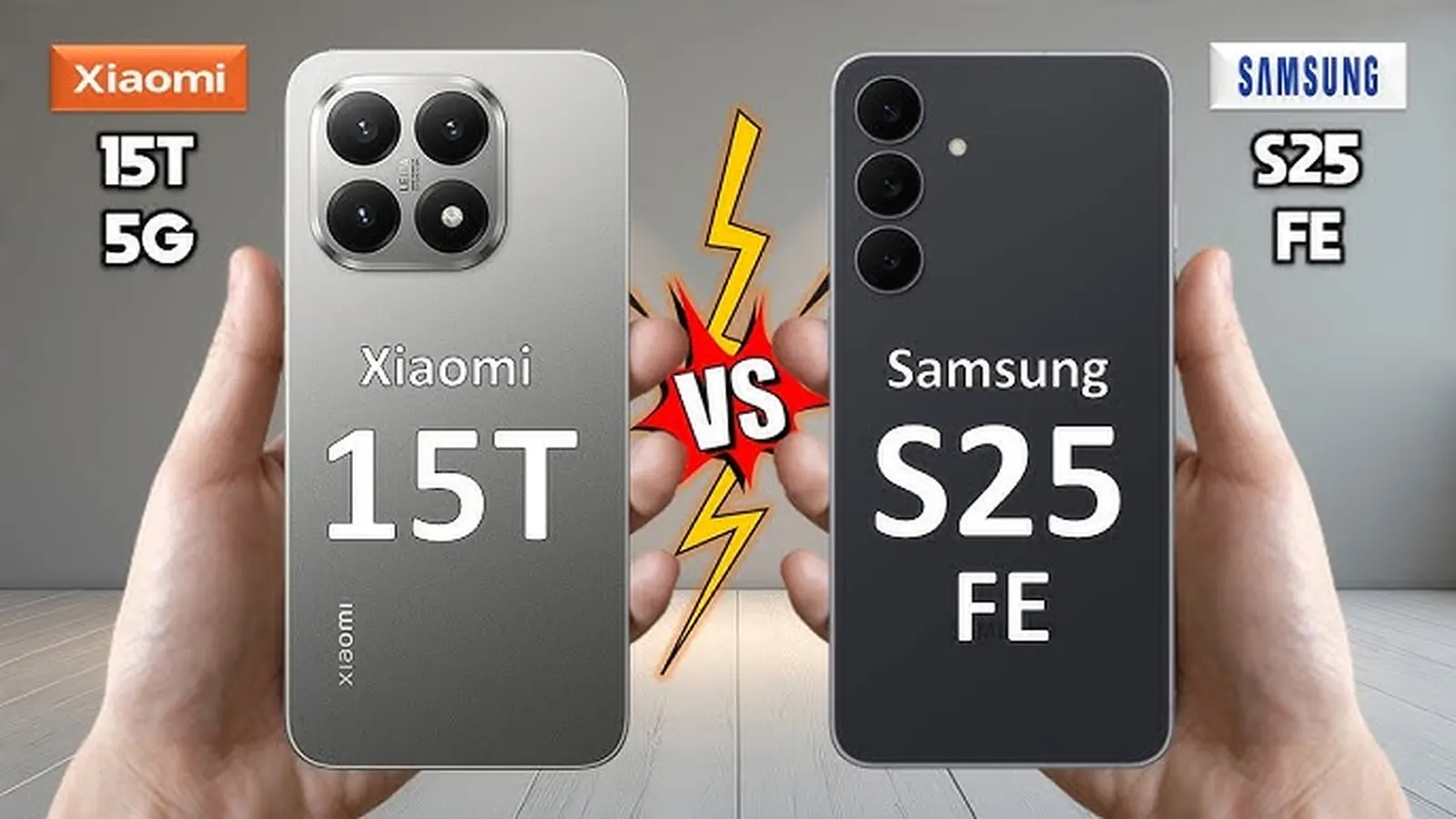
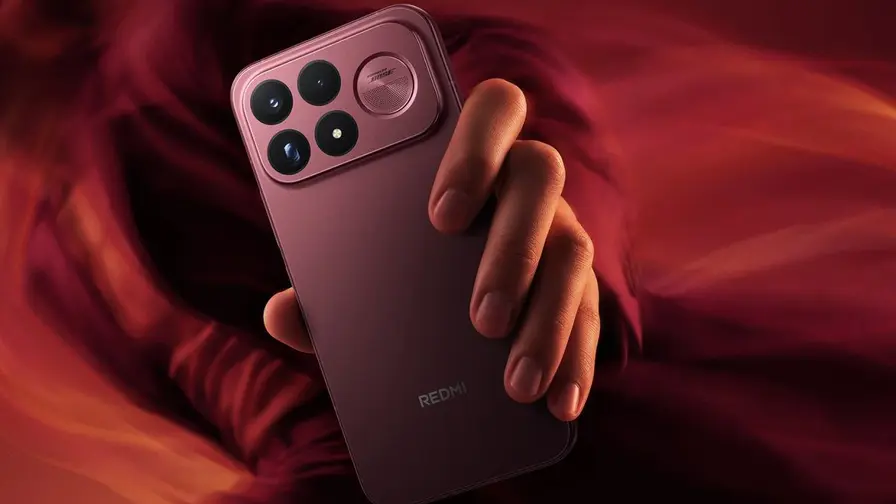
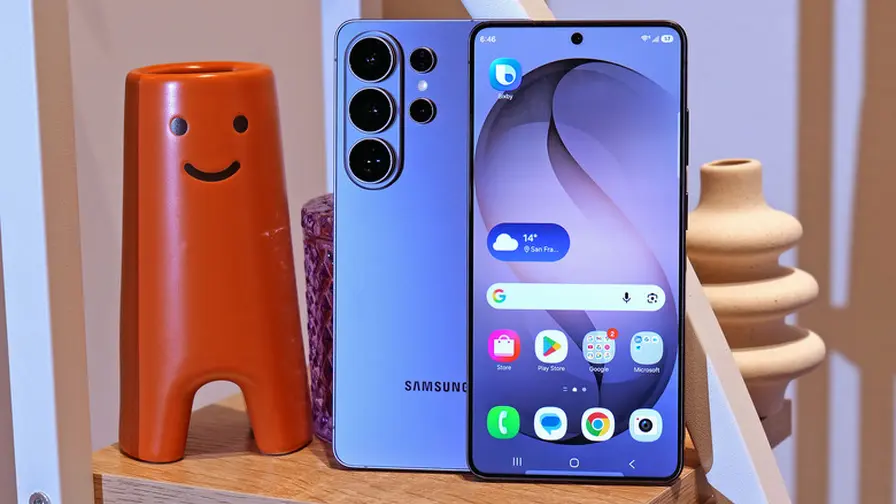
Xiaomi 15T and the Samsung Galaxy S25 FE are two of 2025’s most compelling value-oriented flagships. Both deliver many premium features without the Ultra price tag, but they take different approaches: Xiaomi pushes display brightness, battery life and Leica-tuned cameras, while Samsung leans on build quality, software longevity and a polished ecosystem.
Design and screen: lightweight brilliance vs. rugged refinement
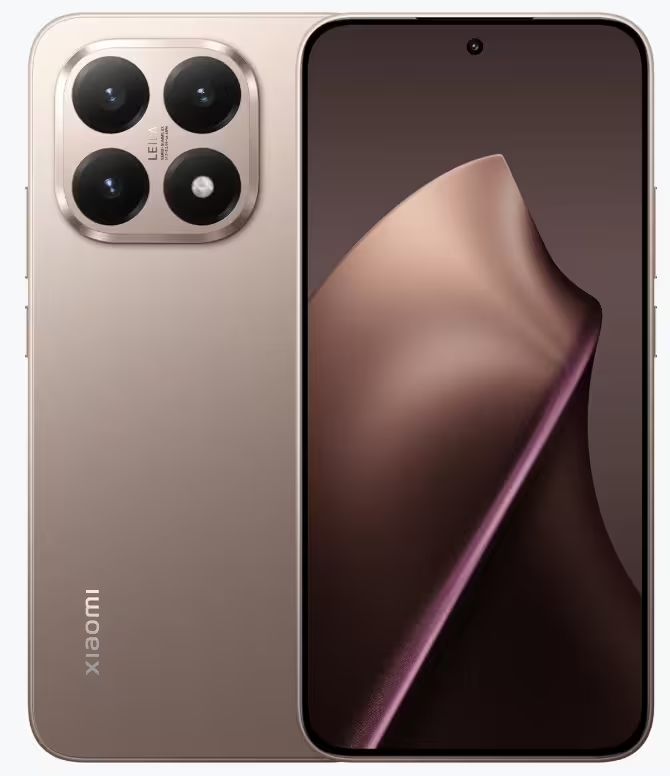
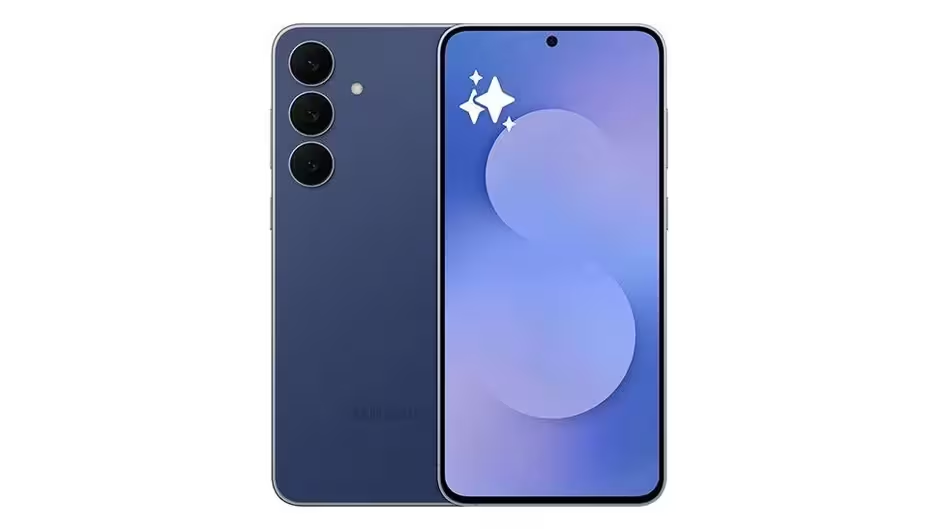
In hand the phones feel different. The Xiaomi 15T favors a lighter build with a glass fiber back and plastic frame, prioritizing weight reduction and durability against drops. The Galaxy S25 FE, however, uses Gorilla Glass Victus+ on the back plus an armor aluminum frame, which gives a noticeably more premium and solid impression — especially for users who want long-term resilience.
Display-wise Xiaomi takes the lead for sheer spectacle. Its 6.83-inch AMOLED peaks at an eye-popping 3200 nits, supports Dolby Vision and HDR10+, and offers a sharper 447 ppi. The panel also implements advanced PWM dimming at 3840Hz for reduced flicker. Samsung’s 6.7-inch LTPO AMOLED 2X is excellent for everyday use, with HDR10+ and up to 1900 nits peak brightness, but it’s a touch lower in resolution and peak luminance than Xiaomi’s panel. For media and gaming, Xiaomi’s screen is the standout; for a more premium tactile feel, Samsung wins.
Performance, software updates and battery life
Under the hood the phones use different silicon: Xiaomi runs a MediaTek Dimensity 8400 Ultra, while Samsung ships the Exynos 2400 with an Xclipse GPU. In practice Samsung offers stronger GPU performance and the company’s promise of extended software support (up to seven major Android upgrades) makes the S25 FE a safer long-term pick. Xiaomi remains efficient and fast in everyday tasks, but it trails slightly for raw graphics and guaranteed future updates.
Battery is a clear Xiaomi advantage: a 5,500 mAh cell and 67W wired charging that can reach a full charge in about 50 minutes. Samsung’s 4,900 mAh battery charges at 45W wired (and supports 15W wireless plus reverse wireless), giving it wireless versatility but less outright capacity. If you prioritize endurance and quick top-ups, Xiaomi is preferable; if you want wireless charging and ecosystem perks, Samsung fits better.
Camera capabilities and real-world shots
Both phones use 50 MP main sensors, but their secondary optics differ. Xiaomi’s lineup pairs a 50 MP wide, 50 MP 2x telephoto and 12 MP ultrawide with Leica tuning and a color spectrum sensor — delivering richer color science and detail, especially in portraits and controlled lighting. Samsung counters with a 50 MP wide, an 8 MP 3x telephoto that provides genuine optical reach, and a 12 MP ultrawide. For selfies, Xiaomi’s 32 MP front camera yields higher resolution and HDR range versus Samsung’s 12 MP unit, though Samsung emphasizes stability and color fidelity.
Pricing and who should buy which phone
At launch the Xiaomi 15T sits around $760 and the Galaxy S25 FE near $700. Samsung therefore offers slightly better value if you care about build quality, software longevity and wireless features. Xiaomi justifies the premium with a brighter display, larger battery and Leica-enhanced cameras — making it the better pick for multimedia, photography and heavy daily use.
Conclusion
Both the Xiaomi 15T and Samsung Galaxy S25 FE are outstanding mid-tier flagships for 2025. Choose Xiaomi if display brightness, battery endurance and camera tuning matter most; pick Samsung if you want a sturdier build, longer official updates and wireless charging in a more affordable package. Your ideal model depends on whether multimedia performance or ecosystem reliability is your priority.





Leave a Comment
Comments
No comments yet. Be the first.