
3 Minutes
Microsoft has revamped Xbox Game Pass with a headline-grabbing price increase and a fresh set of features designed to push its subscription service to the center of the Xbox experience. The changes redefine tiers, expand cloud gaming, and add dozens of day-one releases — but they also raise questions about value for money.
Price jump and more day-one games: the headline
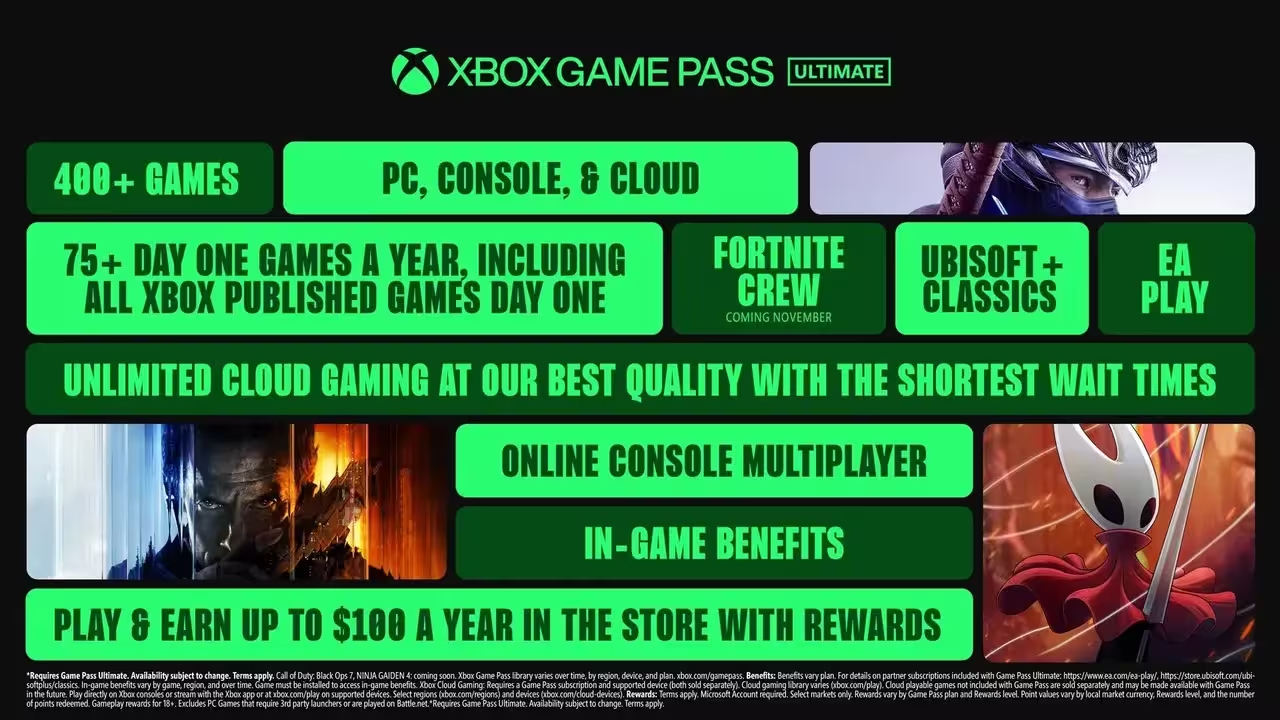
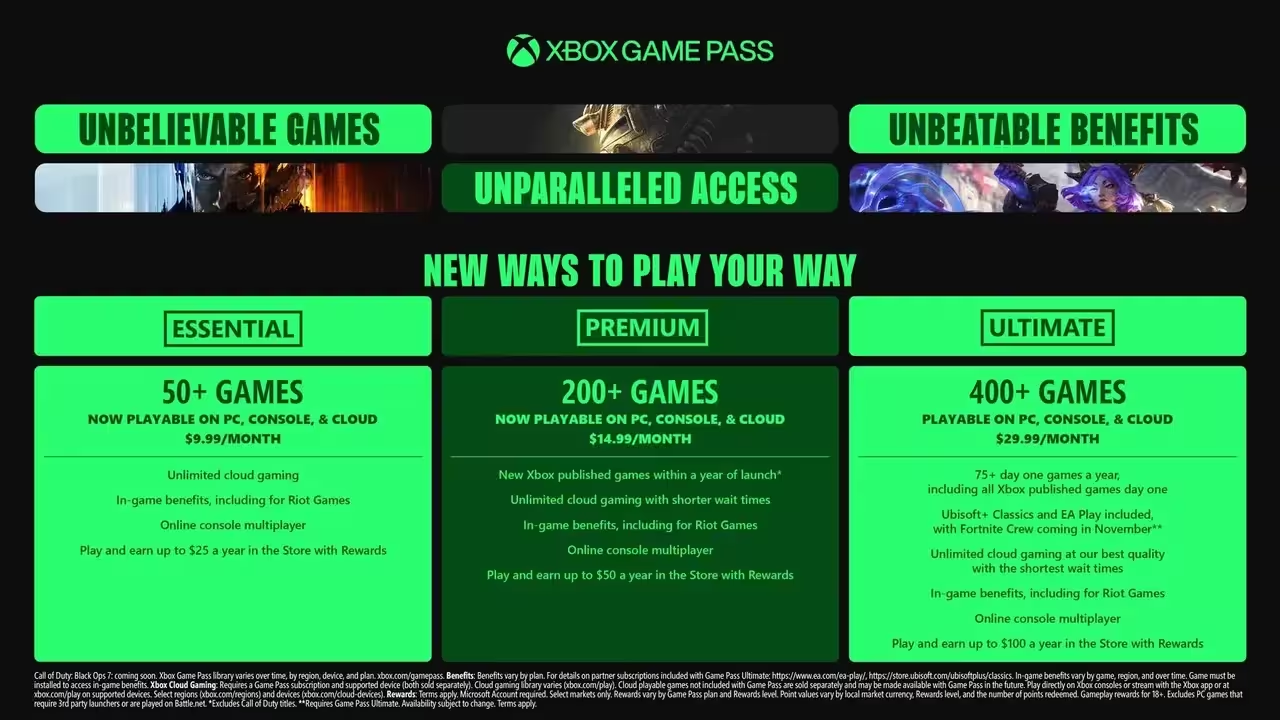
Starting this month, Xbox Game Pass Ultimate now costs $29.99 per month — a $10 increase from the previous rate. Microsoft justifies the bump by pointing to richer content: members can expect more than 75 new games added to the library each year, including major day-one launches such as Call of Duty: Black Ops 7 and Ninja Gaiden 4. For Microsoft, Game Pass is no longer an add-on; it’s fast becoming the primary way to experience Xbox.
What the new price actually buys you
The updated Ultimate plan still bundles console and PC access, EA Play perks, and other premium features, but now emphasizes large-scale, same-day releases. If you're the kind of player who wants instant access to the latest blockbusters without buying each title separately, that convenience is a big part of the argument for the higher subscription fee.
New tiers and cloud gaming everywhere
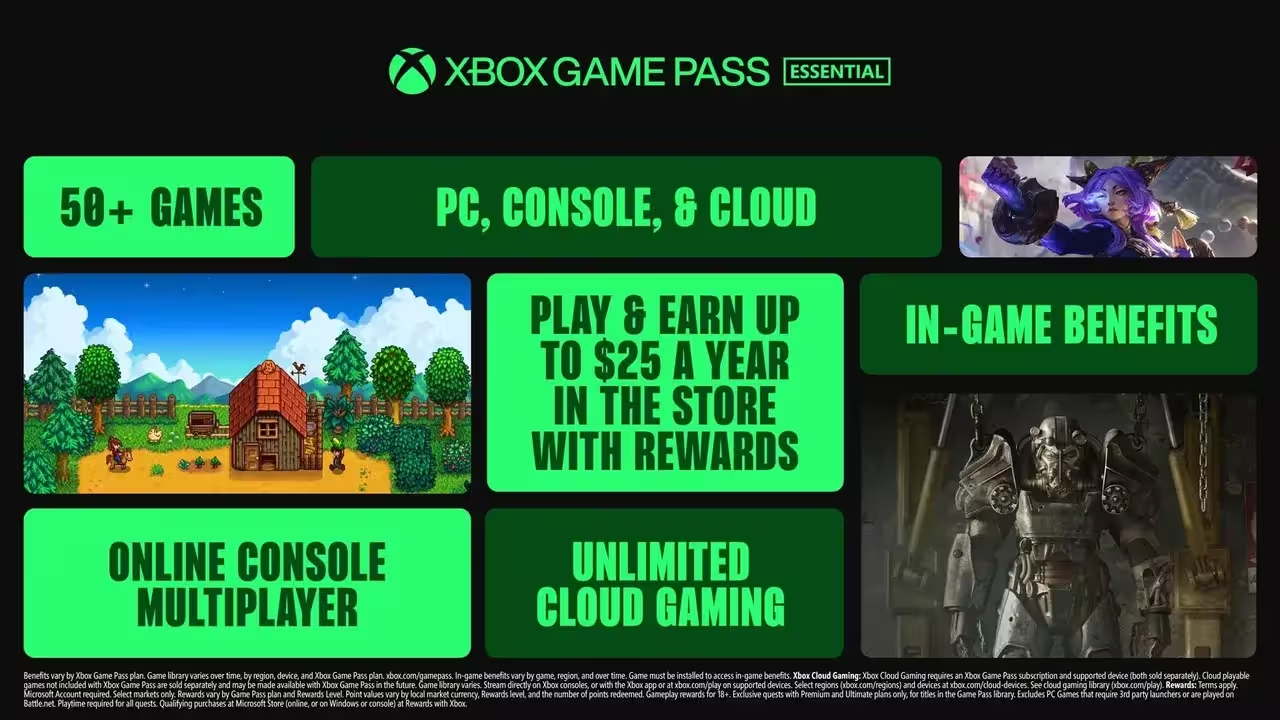
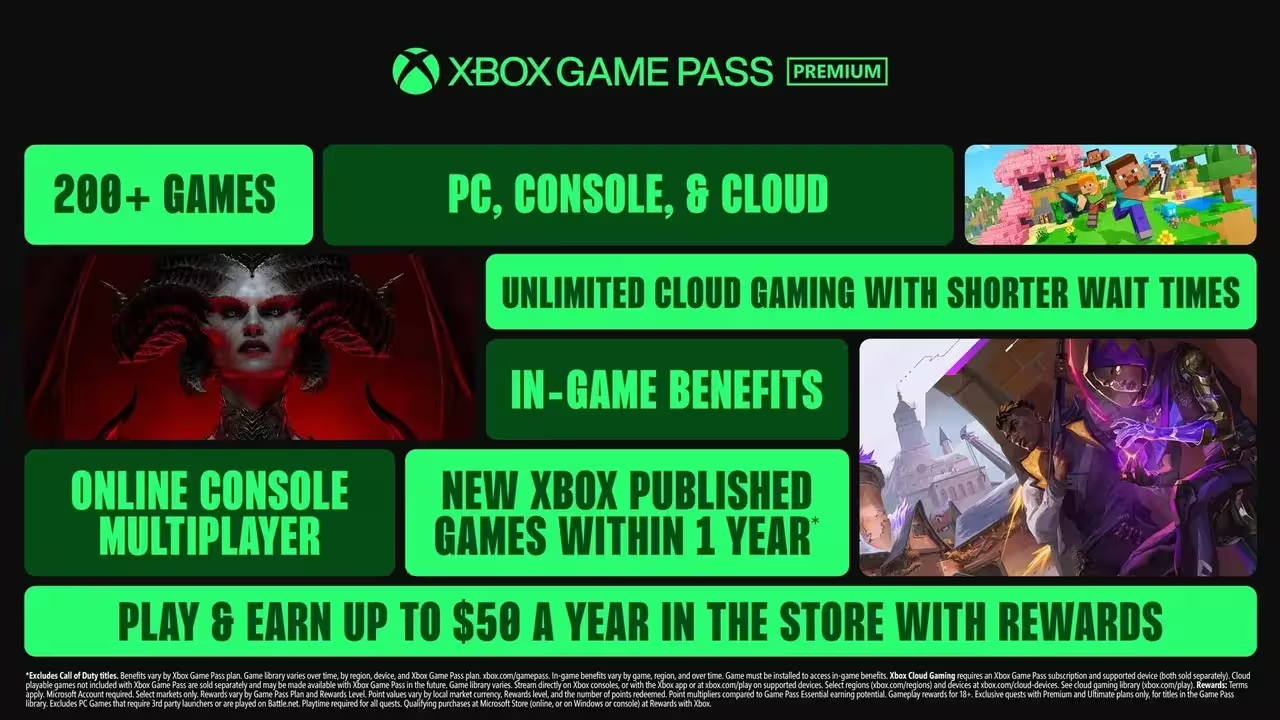
Microsoft has also renamed and reshaped its lower tiers. The entry-level plan is now Game Pass Essential, while the middle tier is Game Pass Premium. A notable upgrade: both Essential and Premium include unlimited cloud gaming. That means you can stream supported titles to phones, tablets, and PCs without being tied to a console.
Cloud gaming across tiers signals Microsoft’s push to make Xbox more device-agnostic. Want to play a brand-new release during a commute? Stream it. Prefer couch time on a Series X? Download it. The flexibility aims to fit gaming into daily life, not the other way around.
Why raise prices now?
The timing ties into larger industry and company dynamics. Microsoft has increased console prices in the U.S. this year as production costs and tariffs rose, and overall hardware demand has softened. In response, Microsoft is leaning into digital services as a steadier, higher-margin growth engine.
Shifting focus from hardware to subscriptions is strategic: recurring revenue from Game Pass smooths out the peaks and valleys of console sales. Microsoft wants Game Pass to be seen as core to owning an Xbox — the ongoing value proposition rather than a fleeting perk.
Will players accept the higher cost?
A 50% hike in price is bound to provoke pushback. Some subscribers will pause or cancel, especially casual players who don’t use the service frequently. But Microsoft is banking that the steady influx of day-one releases and improved streaming will keep most members engaged.
Competition also matters. Sony, Nintendo, and major publishers are expanding their own subscription offerings, so Game Pass’s expanded library and cross-device play are positioned as differentiators. The key question for players: does the convenience and catalog outweigh the extra monthly cost?
Whether you view the change as a reasonable upgrade or an unwelcome sticker shock depends on how much you value immediate access to new games and the freedom to play them anywhere. Either way, Microsoft’s move makes one thing clear: services are now front and center in the company’s gaming strategy.



.webp "Redmi 17C 5G: 6.9-inch Screen and 6,000mAh Power Lands")
Leave a Comment
Comments
No comments yet. Be the first.