
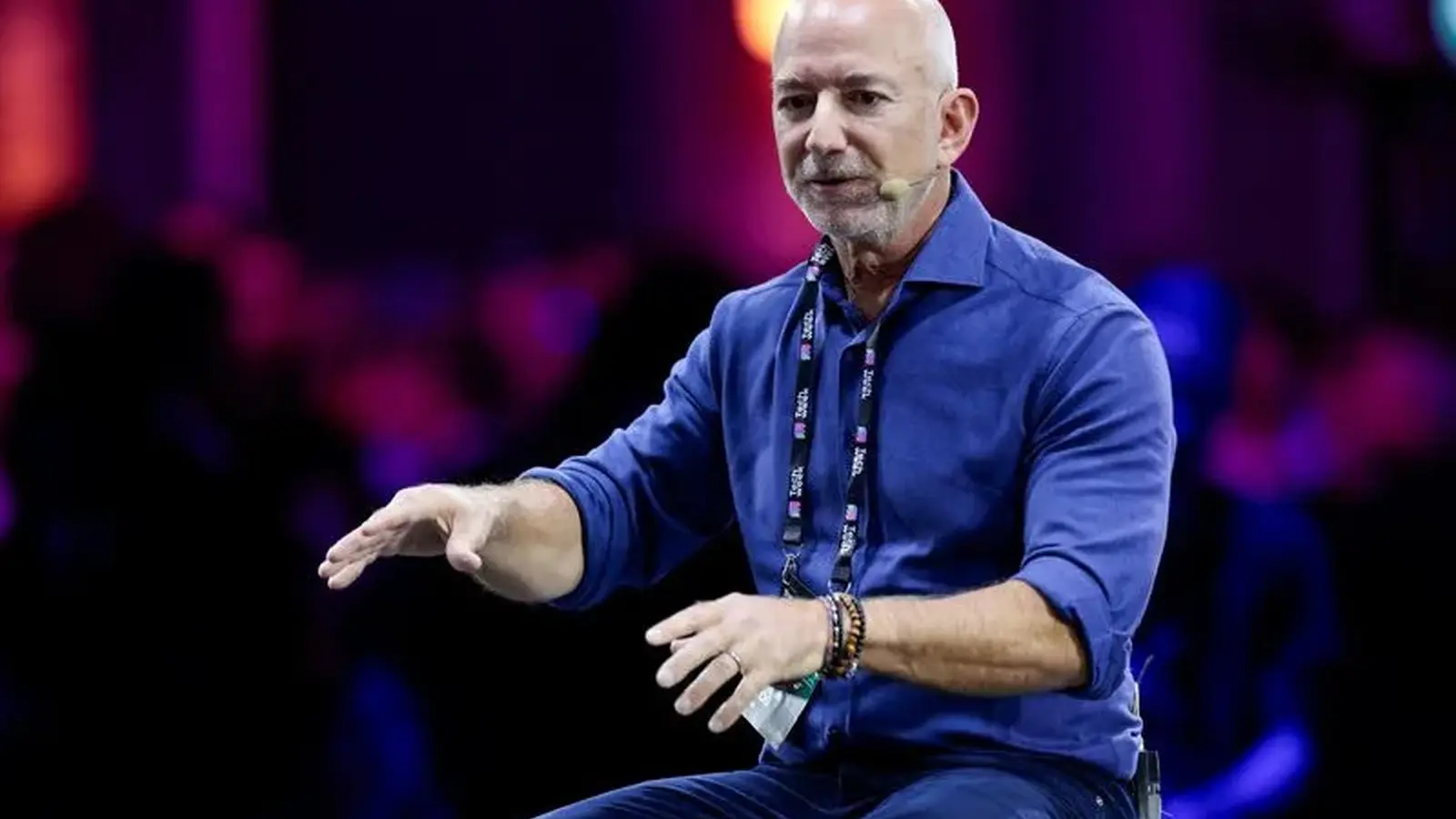
Jeff Bezos warned that artificial intelligence may be caught in an 'industrial bubble' — but he also argued the technology is real and promises enormous benefits for society. Speaking at Italian Tech Week in Turin, the Amazon founder offered a clear-eyed view on hype, funding excesses and the long-term winners from AI innovation.
Hype vs. fundamentals: what Bezos observed on stage
Asked by Exor CEO John Elkann whether the current AI boom shows signs of a bubble, Bezos described the moment as a classic industrial bubble: valuations and investor excitement are outpacing business fundamentals. He pointed out a familiar pattern — when markets heat up, people fund everything, good ideas and bad ideas alike. That makes it hard to tell which startups will survive once the dust settles.
Bezos gave a striking example of unusual funding behavior: small teams getting extraordinarily large capital injections, even when that degree of funding seems disconnected from their size or track record. He didn’t name names, but the point was clear — money is pouring into experiments at a pace that history often marks as a bubble.
Why an industrial bubble isn’t necessarily a disaster
Despite the warnings, Bezos stressed that a bubble doesn’t negate the reality of the technology. He compared AI to biotech in the 1990s, when an overfunded sector still delivered life-changing drugs even though many companies later failed. The takeaway: industrial bubbles can accelerate discovery and leave society with powerful innovations, even after a market reset.
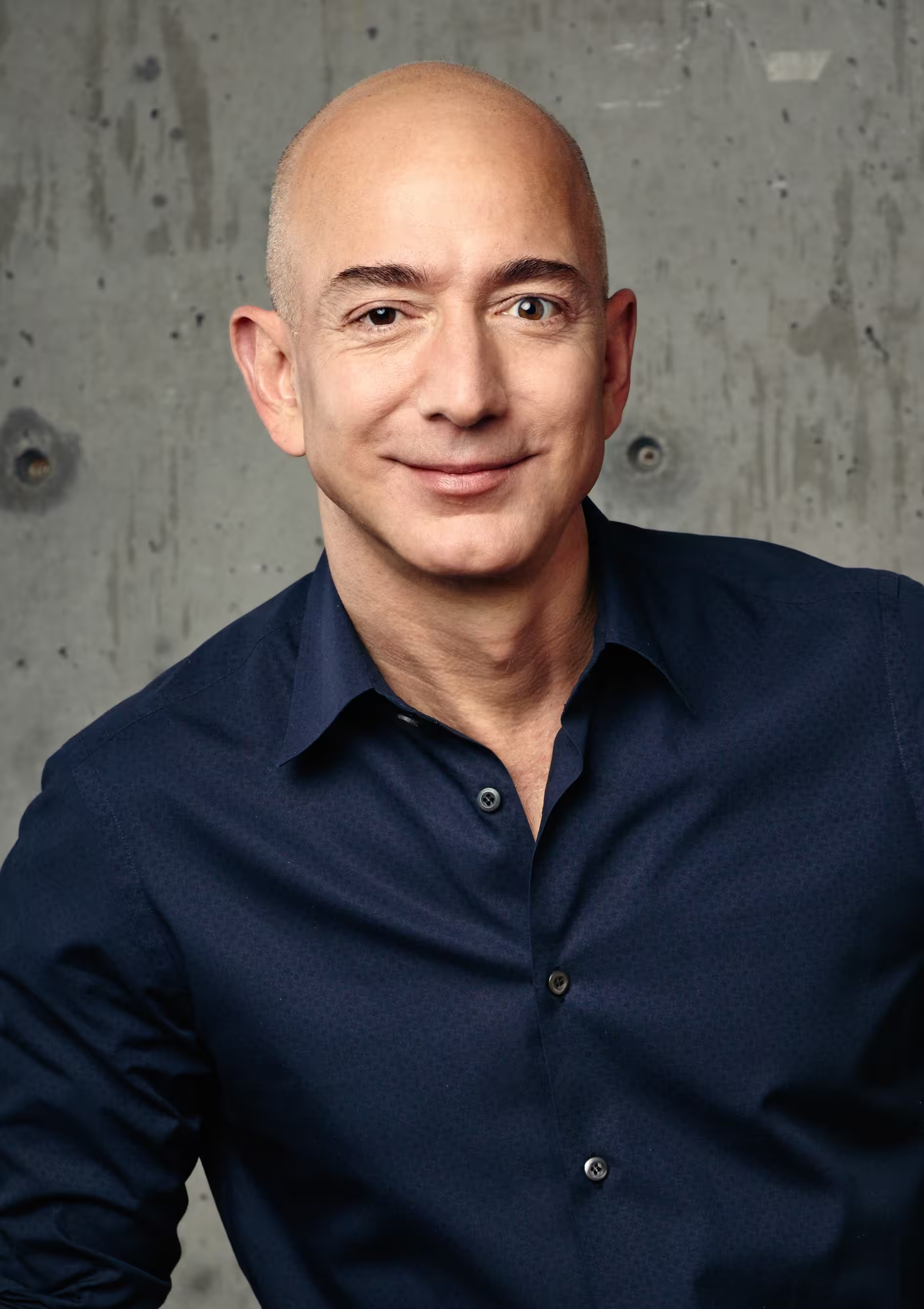
In Bezos’s words, AI is 'real, and it is going to change every industry.' That optimism sits alongside caution: investors should expect a correction at some point, but the long-term benefits — from automation to new products and services — could be gigantic.
Voices echoing the cautionary note
Bezos is not alone in sounding alarm bells. Reports earlier in the year suggested OpenAI CEO Sam Altman called the AI market a bubble, and other finance leaders have weighed in with similar concerns. Goldman Sachs CEO David Solomon warned about stretched stock levels and said investors often focus on upside while downplaying risks, predicting a future reset or drawdown.
Market watchers like Karim Moussalem of Selwood Asset Management have gone further, likening the AI trade to historical speculative manias. These views underscore a common theme: enthusiasm can obscure disciplined evaluation, so investors and founders need to separate hype from durable value.
What this means for startups, investors and society
For entrepreneurs, the current environment is both an opportunity and a responsibility. Easy capital allows rapid experimentation, but teams should plan for a more disciplined market when valuations normalize. For investors, Bezos’s advice implies a tougher job of due diligence: distinguishing genuinely transformative AI projects from fleeting trends.
- Short term: expect volatility as markets reassess AI-related valuations.
- Medium term: weaker companies may fail, but surviving firms will be better capitalized and more focused.
- Long term: society gains—new tools, improved services and potential breakthroughs across healthcare, logistics, manufacturing and more.
At a moment when headlines swing between elation and alarm, Bezos’s message is pragmatic: yes, we may be in a bubble, but the underlying technology will leave a lasting mark. If history is any guide, the frenzy will produce both debris and durable innovation — and those innovations could deliver enormous social value.


Leave a Comment
Comments
No comments yet. Be the first.