
2 Minutes
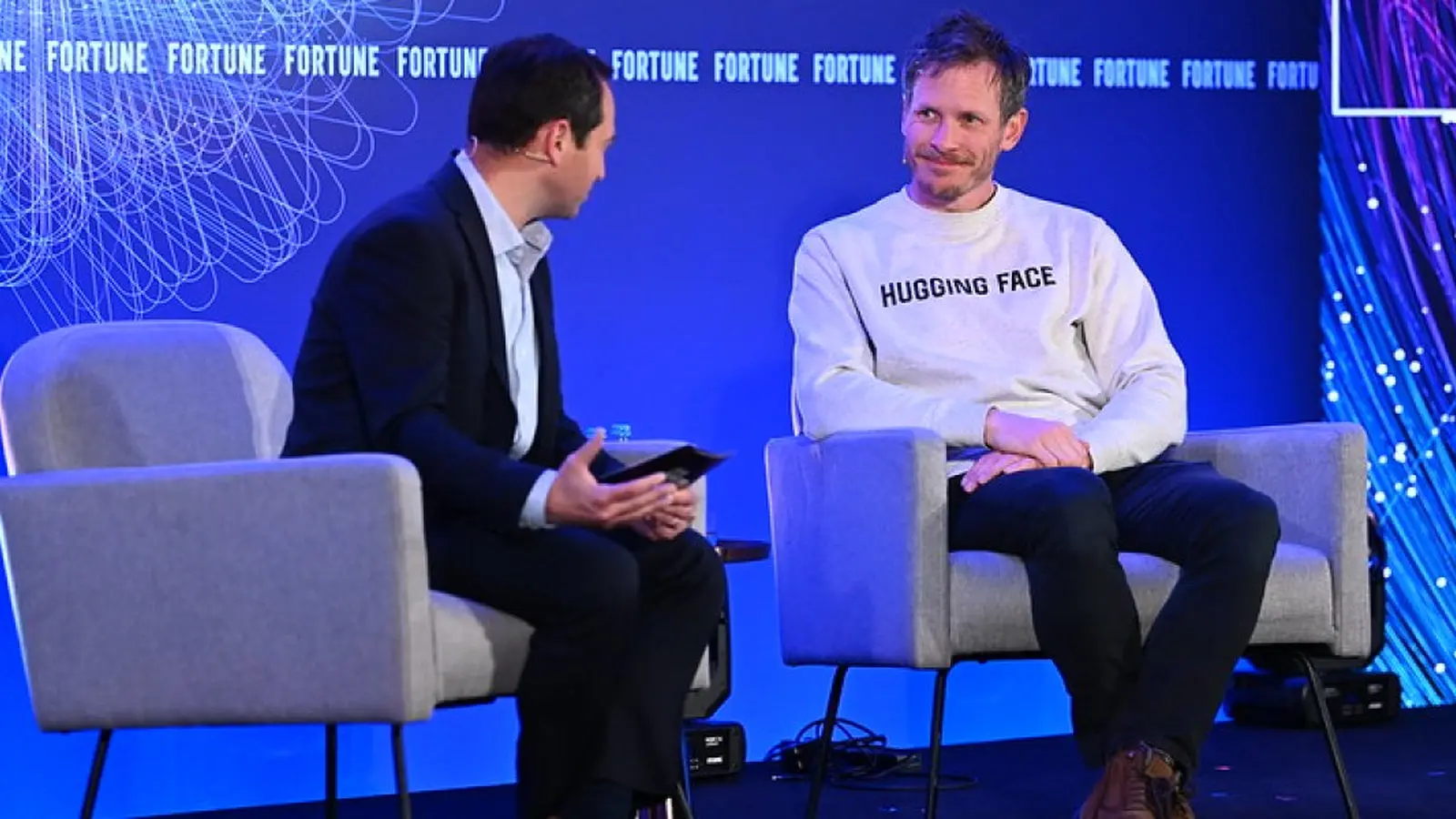
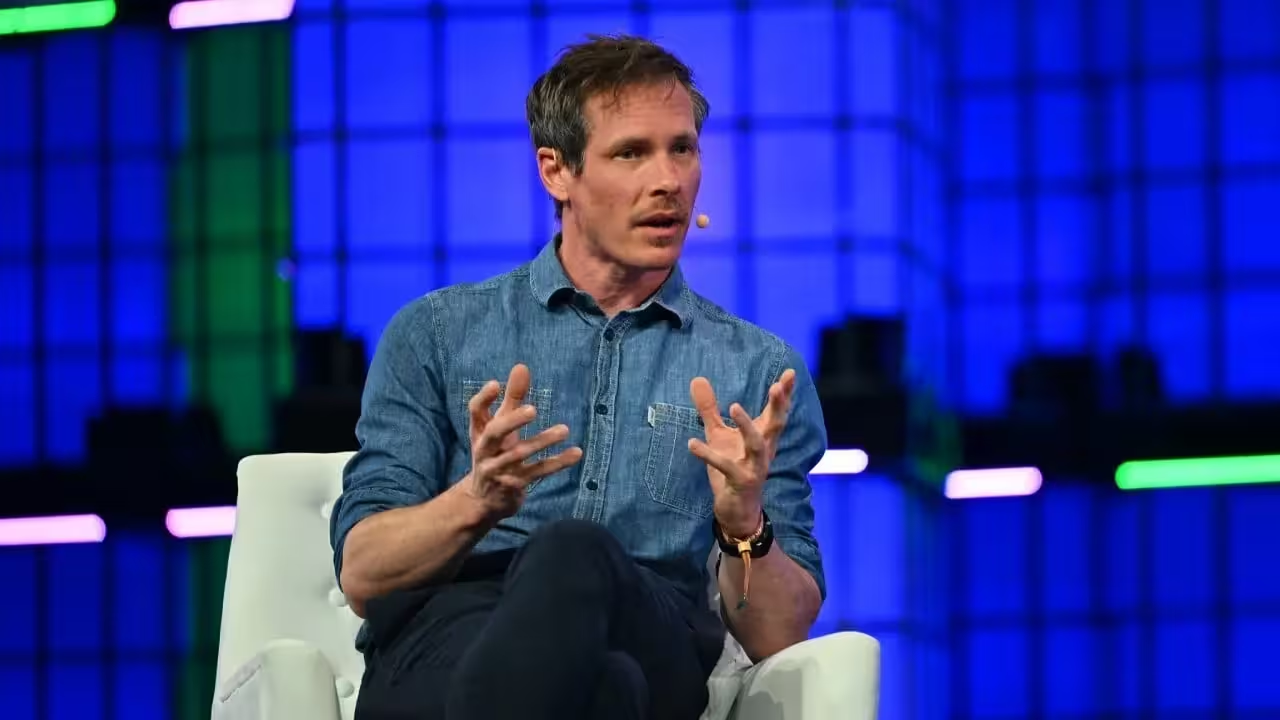
Top AI researcher Thomas Wolf of Hugging Face warns that the current generation of large language models is unlikely to produce truly novel, Nobel-caliber scientific discoveries. Instead, he sees these systems as powerful assistants — useful for idea generation and data analysis but not for originating paradigm-shifting theories.
Why mainstream chatbots fall short of real discovery
Wolf argues the problem is structural. Modern AI chatbots are optimized to predict the most likely next token in a sequence of text. That objective makes them excellent at finishing sentences, summarizing research, and offering plausible-sounding suggestions — but not at inventing ideas that contradict prevailing assumptions.
Breakthrough scientists tend to be contrarian: they question established frameworks and propose surprising, low-probability ideas that turn out to be true. Think Copernicus proposing a sun-centered system. By contrast, current models are biased toward alignment with the user's prompt and consensus views, which dampens the kind of creative contrarianism breakthroughs often require.
Not magic, but a very capable co-pilot
That doesn’t mean AI is useless in research. Wolf expects tools like ChatGPT to function as co-pilots for scientists — accelerating literature reviews, suggesting experimental directions, automating repetitive analysis, and helping synthesize results.
There are real successes already. DeepMind’s AlphaFold has dramatically improved protein-structure prediction and is cited as an enabler for drug discovery workflows. But AlphaFold is best understood as solving a clearly defined prediction problem, not inventing a new theory of biology from first principles.
Ambitious claims, cautious reality
Wolf’s skepticism was stoked after reading essays by other AI leaders who predicted rapid, transformative gains in biology and medicine driven by AI. While some industry voices forecast compressing decades of progress into a few years, Wolf warns that the current architecture and training objectives of large models make that kind of acceleration unlikely without fundamentally different approaches.
Where research might head next
- Hybrid systems: combining symbolic reasoning, causality-aware models, and experiment-driven feedback loops could create tools better suited to discovery.
- Human-in-the-loop science: leveraging AI for hypothesis generation while relying on human skepticism and experimental validation.
- Startups aiming higher: several companies, including Lila Sciences and FutureHouse, are exploring ways to push AI from assistance toward genuine insight generation.
In short, current AI excels at amplifying human researchers, not replacing the messy, skeptical creativity that drives Nobel-level breakthroughs. For now, the smartest bets are systems that augment human intuition and experimentation rather than trying to replace them.













Leave a Comment
Comments
No comments yet. Be the first.