
3 Minutes
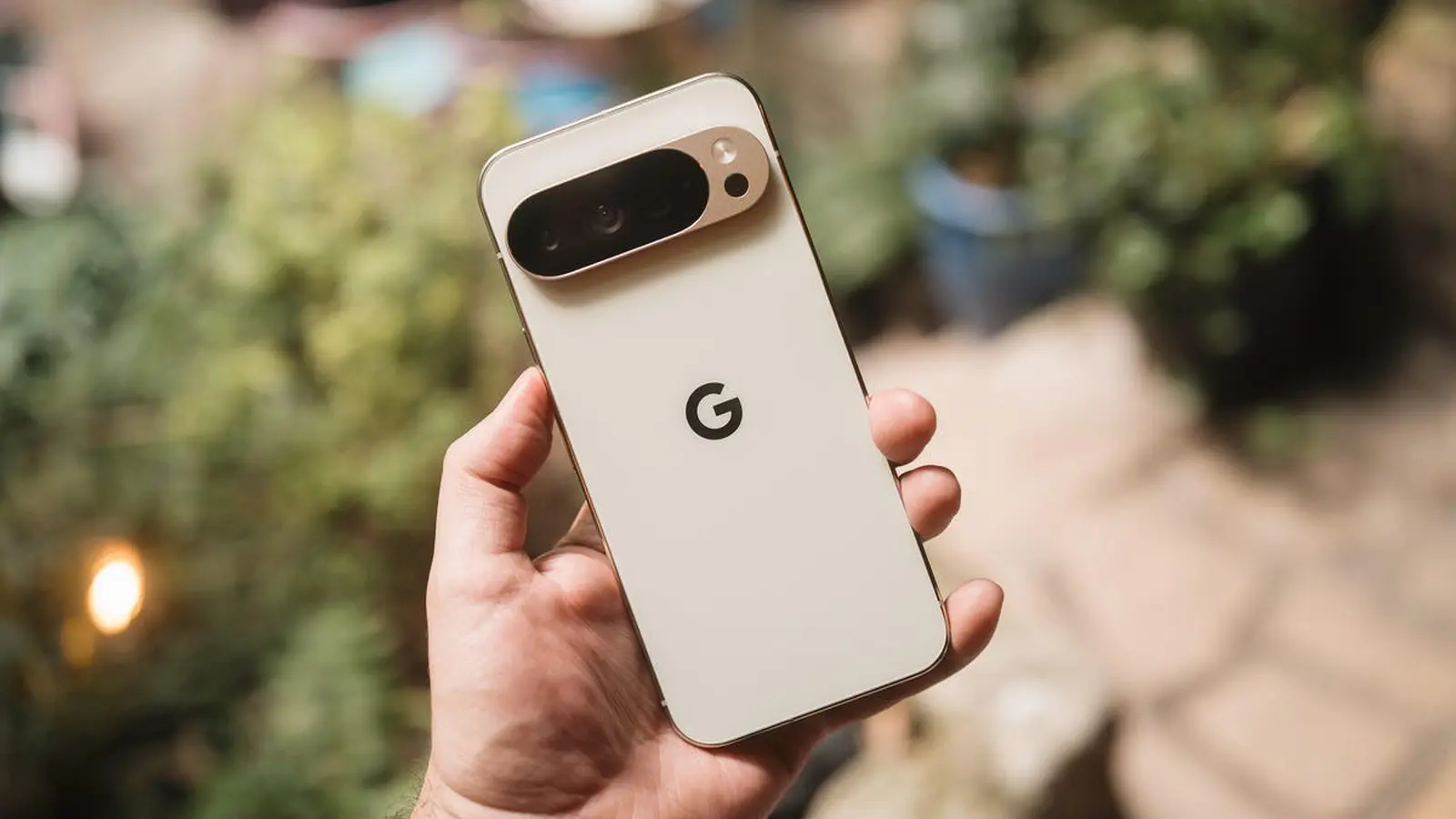
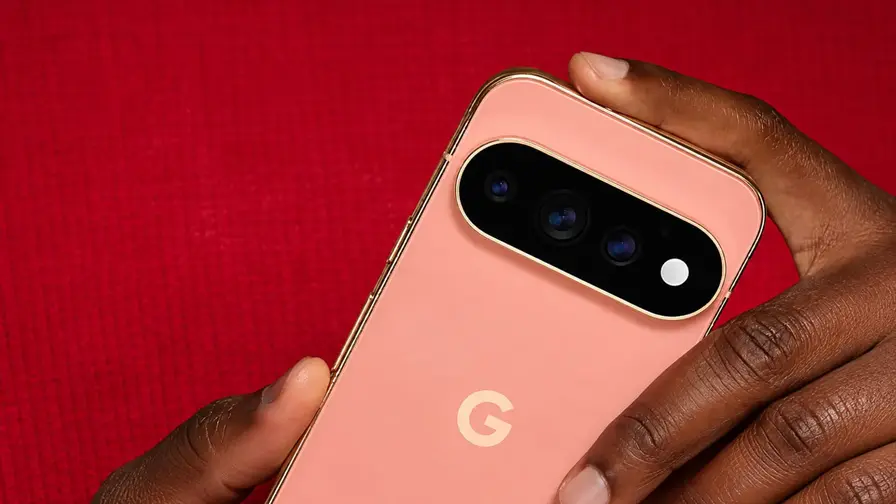
The Google Pixel 10 Pro XL, billed as Google's flagship for AI and camera prowess, is hitting a major speed bump when pushed into heavy mobile gaming. Recent footage circulating on X shows the handset struggling to run Genshin Impact—complete with stutters, screen flicker, and missed touch inputs that make the game practically unplayable.
When AI-focused silicon meets a graphics marathon
At the heart of the problem is Google’s in-house Tensor G5 chip. Designed in partnership with TSMC and tuned for AI workloads and imaging, the G5 prioritizes machine learning and camera processing over raw GPU horsepower. That trade-off delivers clear benefits for tasks like photo enhancement, voice features, and on-device translation — but it appears to collapse under the sustained load of a demanding title like Genshin Impact.
Videos shared by a user named Abhinov on X show jittery frame rates, intermittent touch lag and a persistent flicker that makes navigation of even basic system UI elements difficult while the game runs. In some clips the phone appears to “freeze” for seconds at a time, failing to register touch commands and leaving the player unable to control their character.
How bad is it compared to rivals?
- Benchmarks and real-world tests indicate the Tensor G5 lags behind Apple’s A19 Pro and Qualcomm’s Snapdragon 8 Gen 4 in sustained gaming performance.
- Reports suggest the G5’s GPU performance can be worse than last year’s Tensor G4 under heavy loads.
- Under prolonged stress the Pixel 10 Pro XL appears to throttle quickly — a behavior that leaves it trailing phones several years old in gaming endurance.
Put simply: while A-series and top Snapdragon chips maintain stable frame rates and thermal levels through long sessions, the Pixel 10 Pro XL can begin to stutter and throttle within minutes of intense play.

What users are seeing and why it matters
The difference isn’t just academic. Mobile gaming is a major use case for many buyers of expensive flagships, and visible stutter or input lag damages the user experience. In the shared clips, system elements like the notification shade also flash erratically, suggesting the GPU and compositor are overloaded beyond the game alone.
This doesn’t mean the Pixel 10 Pro XL is a failure across the board. The phone still excels at AI-centric functions — photography, real-time voice features and on-device intelligence remain strong selling points. But for gamers who expect a premium experience, the device’s current behavior raises real questions about the balance Google has struck between intelligence and raw performance.
Where does Google go from here?
There are a few paths forward: software patches and thermal management tweaks could mitigate the worst cases, and future Tensor revisions might emphasize GPU throughput more. Or Google could continue prioritizing ML improvements, accepting that extreme gaming performance will lag behind rivals focused on raw silicon speed.
Either way, buyers should weigh their priorities. If top-tier sustained gaming is a must, current evidence suggests Apple and Qualcomm-powered flagships remain the safer pick. If you prize camera and AI experiences above all, the Pixel 10 Pro XL still offers compelling advantages — just not when Genshin Impact is on the playlist.
Do you think Google should redesign future Tensor chips for better gaming, or keep leaning into AI-first features?


.webp "Redmi 17C 5G: 6.9-inch Screen and 6,000mAh Power Lands")
Leave a Comment
Comments
No comments yet. Be the first.