
3 Minutes
Nvidia CEO Jensen Huang has issued a stark observation: Chinese AI accelerators are closing in on US designs, measuring performance differences in "a few nanoseconds." The comment highlights how fast the semiconductor race is evolving—and why U.S. chipmakers are watching China more closely than ever.
What Huang meant by "a few nanoseconds"
On the surface, a few nanoseconds sounds trivial. In high-performance AI inference and training, though, tiny latency gains add up across billions or trillions of parallel operations. Huang's point is that Chinese engineering teams are narrowing the performance gap at a moment when AI workloads are becoming ever more demanding.
Sanctions, supply chains, and the lithography bottleneck
The contrast is stark. The U.S. has imposed export controls that limit Chinese access to advanced chipmaking tools, especially extreme ultraviolet lithography machines required for sub-5nm nodes. Those restrictions are meant to slow China’s march toward cutting-edge fabs. Yet state funding, talent, and massive domestic demand have helped Chinese players mitigate some of those constraints.
Huawei's comeback with Ascend
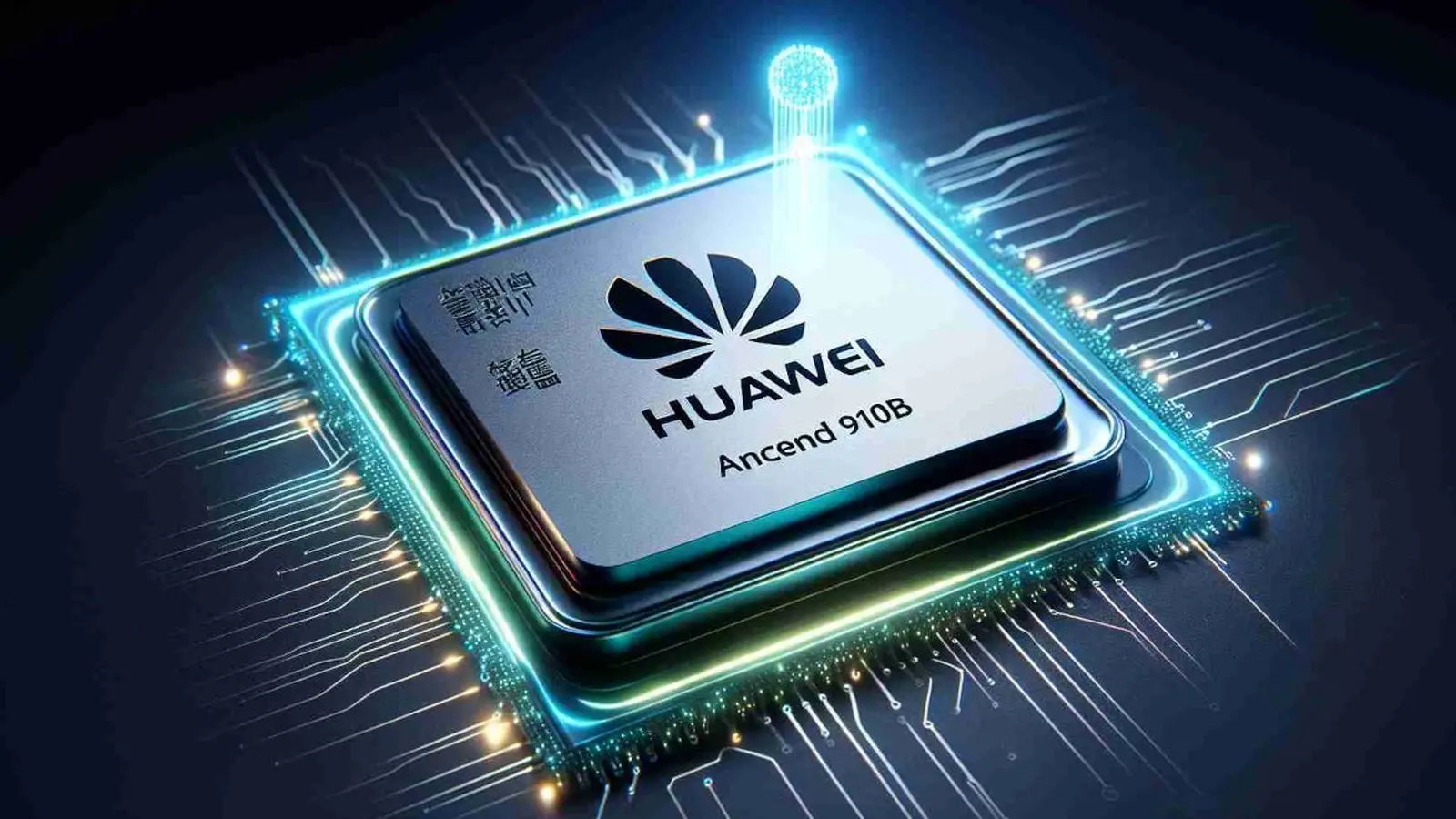
Huawei is a prime example. Its Ascend 910B AI accelerator now leads China’s homegrown market for AI chips, a comeback few expected after earlier setbacks. That momentum was amplified when U.S. rules initially blocked Nvidia GPUs from China—creating space for Ascend and other domestic accelerators to win business from cloud and enterprise customers.
Nvidia, CUDA, and the tug of war over ecosystem lock-in
China’s major cloud providers—Baidu, Alibaba, Tencent, and ByteDance—have deep appetites for AI compute. Many prefer Nvidia’s platform because of CUDA, the long-established parallel computing framework that accelerates development on Nvidia GPUs. But there’s a clear push toward building a CUDA-free ecosystem in China to reduce dependency on foreign IP and tooling.
That push matters because ecosystems create inertia. Developers who standardize on CUDA gain performance and tooling benefits, while those who adopt domestic stacks or open alternatives aim for long-term independence. Huang has argued for open competition, warning that heavy-handed restrictions can cause economic whiplash.
Market math: how big is China for Nvidia?
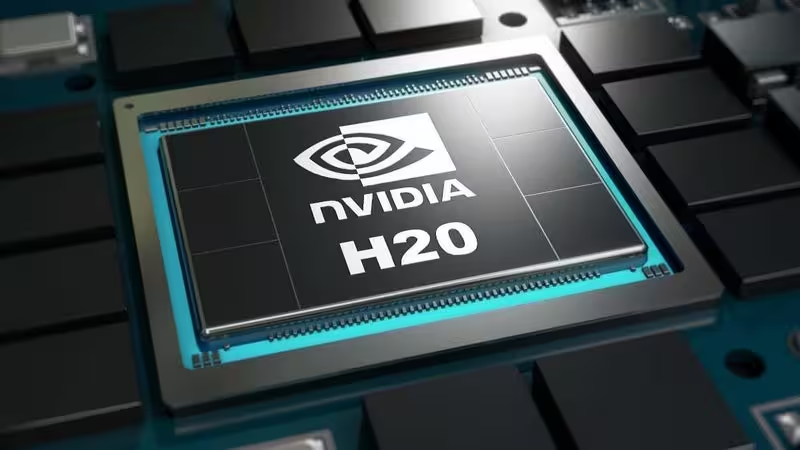
Nvidia has said roughly 20% to 25% of its datacenter revenue came from China prior to changes in export policy. This is a material slice of income, which helps explain why U.S. policy softened over time and allowed sales of some parts, like the H20 AI accelerator, into the Chinese market—though the most powerful chips remain restricted.
- Huawei's Ascend 910B now dominates China's domestic AI accelerator market.
- China benefits from state subsidies, a deep talent pool, and enormous cloud demand.
- U.S. sanctions block certain high-end tools but have not stopped Chinese progress.
- CUDA remains influential, but China is actively cultivating alternatives.
Imagine AI centers across China running on an increasingly capable domestic stack. For U.S. suppliers, that future means competing not just on silicon, but on software ecosystems, supply chain resilience, and geopolitical maneuvering. The race is no longer only about transistors per millimeter; it is about who owns the platform developers rely on.





.webp "Redmi 17C 5G: 6.9-inch Screen and 6,000mAh Power Lands")

Leave a Comment
Comments
No comments yet. Be the first.