
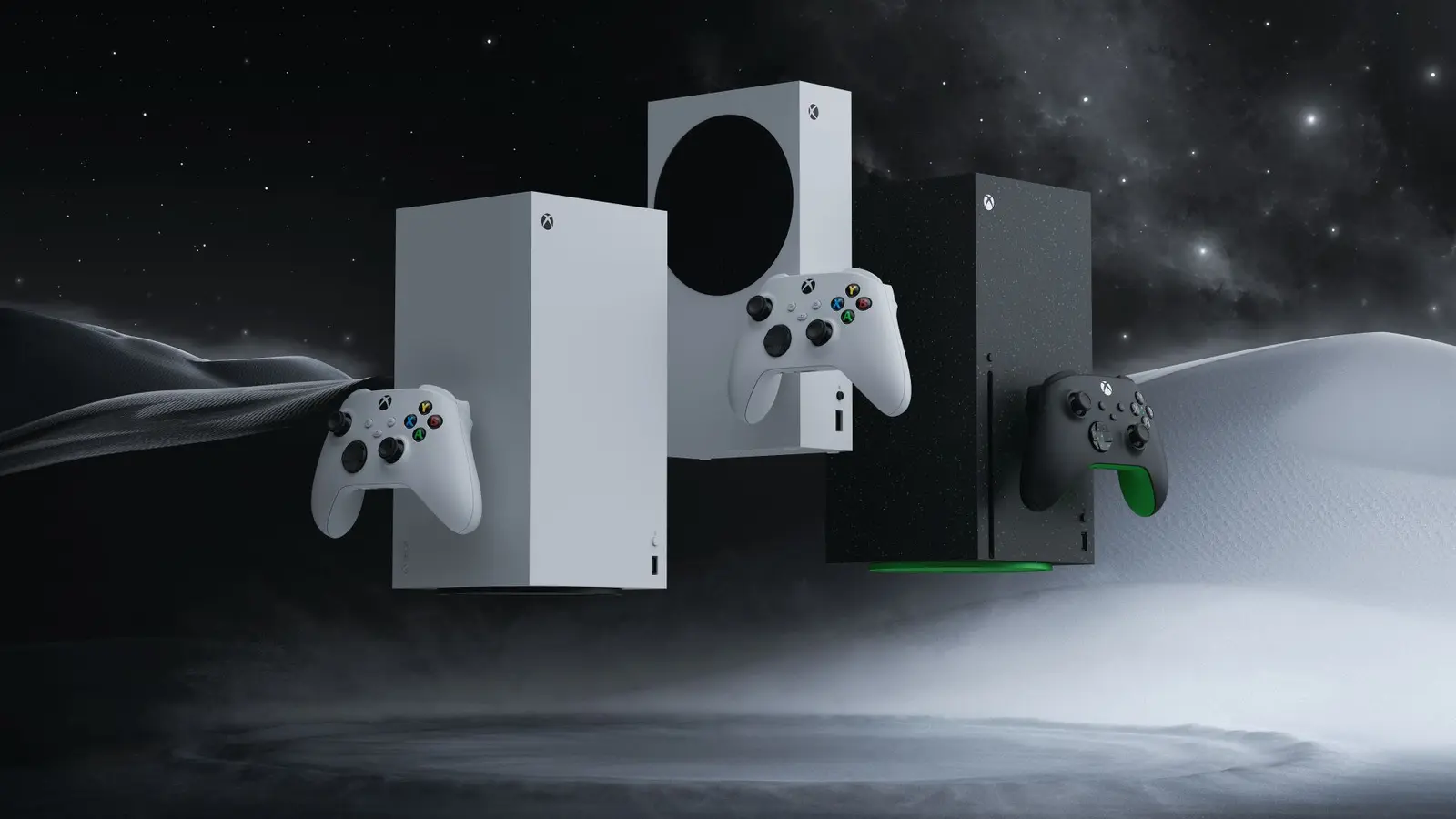
Imagine booting your living-room console and finding the familiar Windows desktop waiting. Strange? Maybe. Exciting? Definitely.
That’s the picture Jez Corden painted on a recent podcast, sharing what he says are Microsoft’s plans for the next Xbox: a traditional, TV-first console arriving in late 2027, built to run full Windows and blur the line between console and PC.
Don’t expect a Switch-style handheld. This will be the kind of box you tuck next to your TV. Short sentence. Simple design. But under the hood sits an ambition that could reshape how people access games: playback of past Xbox libraries, native support for Windows apps, and — Corden suggests — the ability to run storefronts like Steam. Yes, that could mean access to a much wider catalog than current console ecosystems allow.
Microsoft’s aim, as reported, is to turn the next Xbox into a bona fide PC-class device running Windows natively.
What does that mean in practical terms? For players it’s a world where the Xbox ecosystem doesn’t have to be the only gateway to games. You could launch an Xbox title, alt-tab to a PC app, or install a game from a third-party store — much like on a desktop computer. It’s a setup that raises questions about exclusives, platform control, and how console makers compete when their hardware becomes more open.
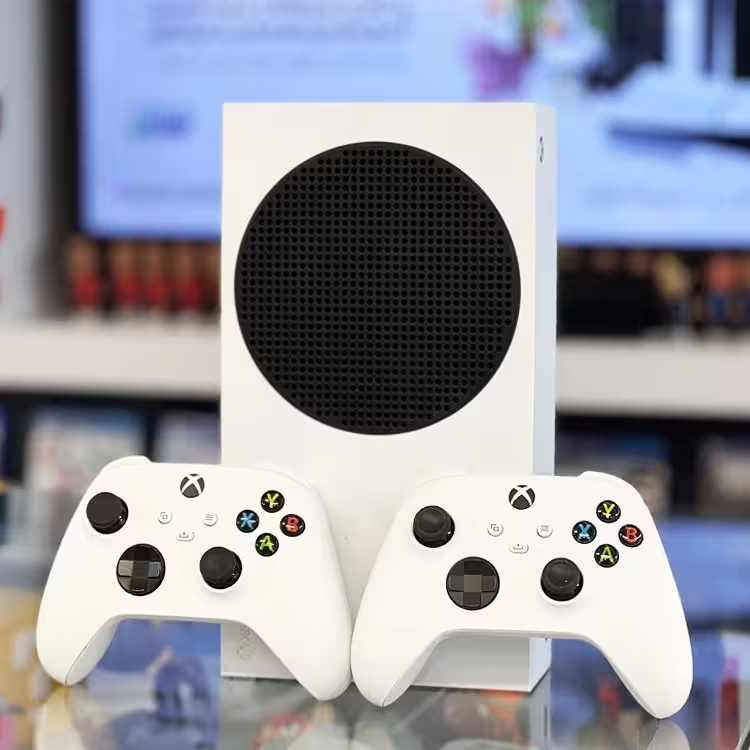
Price will be a talking point. Corden says Microsoft isn’t chasing an outrageously high sticker; the company is aiming for a reasonable price given the hardware. Still, he warns that the device will likely be on the pricey side, reflecting its processing muscle. In other words: affordable ambitions, but powerful hardware rarely comes cheap.
Then there’s Game Pass. The service has become central to Microsoft’s strategy, but its current $30 monthly tier drew skepticism from Corden. He argued it doesn’t deliver proportional value at that price point. Microsoft’s response, according to him, could be to shift some of its first-party titles into the Ultimate tier to enrich the offering and make subscriptions feel like a smarter buy.
So what should we expect by late 2027? A console that looks familiar on the outside, behaves like a PC on the inside, and forces the industry to rethink platform boundaries. Will developers embrace a Windows-native Xbox? Will players welcome the freedom of PC storefronts on their couch? The questions are as intriguing as the concept itself.
If Microsoft follows through, the next Xbox won’t just be another console generation — it could be a pivot toward a hybrid living-room PC experience that changes how we define gaming hardware.


Leave a Comment
Comments
No comments yet. Be the first.