
3 Minutes
Numbers shifted fast in the final months of 2025: Samsung has quietly nudged its way back to the top of the DRAM market. It wasn’t a flash-in-the-pan rebound. The company posted $19.1 billion in DRAM revenue in Q4, enough to grab a 36.6% slice of the global market, according to Omdia.
Forty-point-six percent growth quarter-on-quarter. Short sentence. That surge did the heavy lifting. The broader industry also expanded — Q4 DRAM sales reached $52.47 billion, roughly 30% higher than the third quarter. Demand and price both moved upward, and the winners were the manufacturers with the right products in the right place.
So what changed since Samsung lost the lead earlier in 2025? First: product mix. Samsung’s sales were driven by high-value server and AI memory like HBM3E and a strong slate of DDR5 offerings. These parts command premium prices in data centers and for AI deployments. Average selling prices for DRAM jumped about 40% as buyers rushed to fill inventories and cloud and AI workloads accelerated.
SK Hynix remained close behind with a 32.9% revenue share, generating roughly $17.2 billion in DRAM sales — a healthy 25.2% quarter-on-quarter increase. Micron slipped to third, its share falling to 22.9% from 25.8% in Q3. And China’s CXMT logged a 4.7% share, a small but visible presence in a market now shaped as much by geopolitical supply dynamics as by raw technical capability.
The numbers tell one story; strategy tells another. Samsung’s bounce-back wasn’t just market tailwinds. It reflected intentional bets on premium memory segments used for AI compute and hyperscale servers. High-bandwidth memory like HBM3E and next-generation DDR5 are where margins live these days. Samsung also benefited from improved pricing discipline across the industry, which helped lift ASPs.
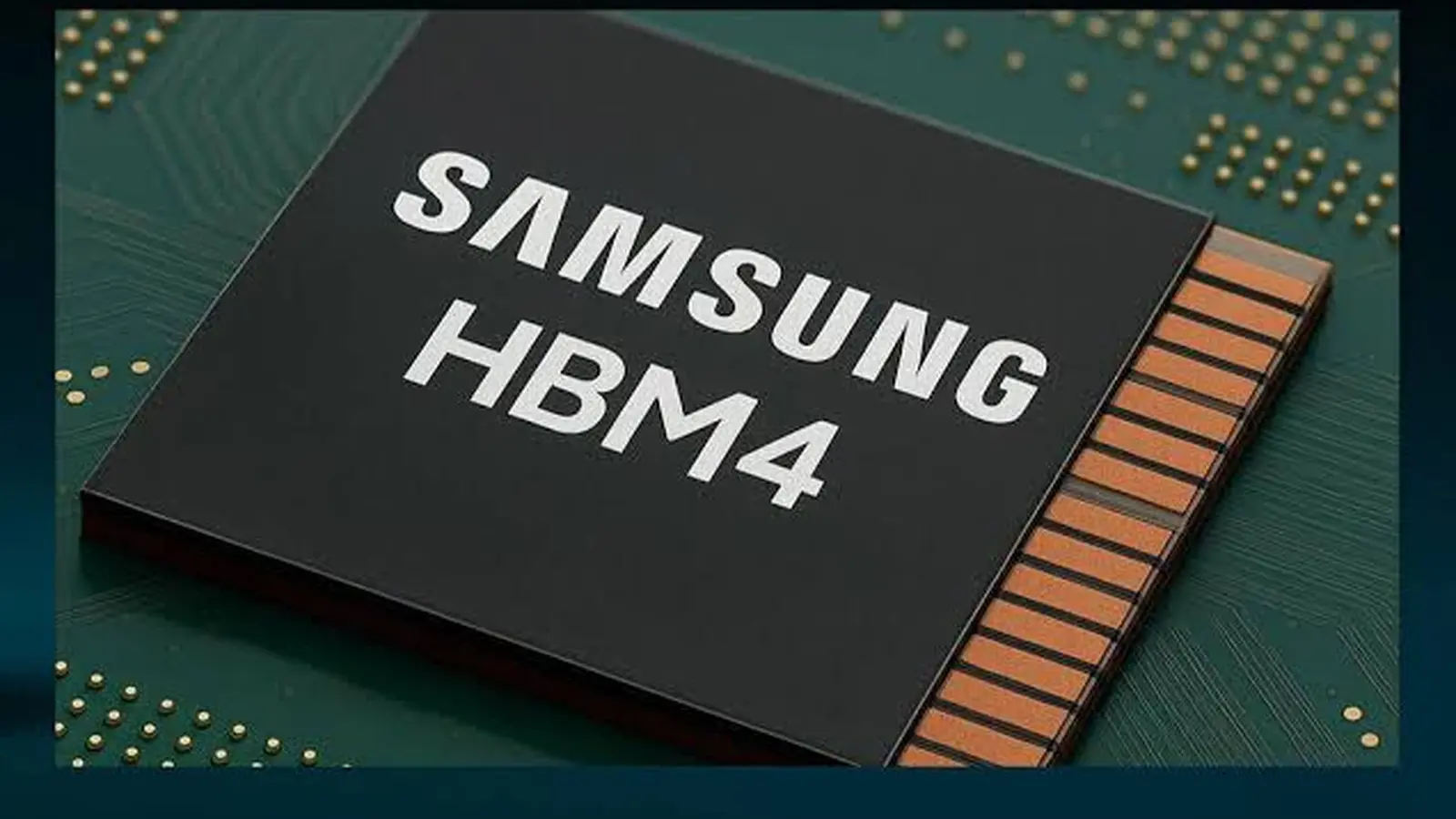
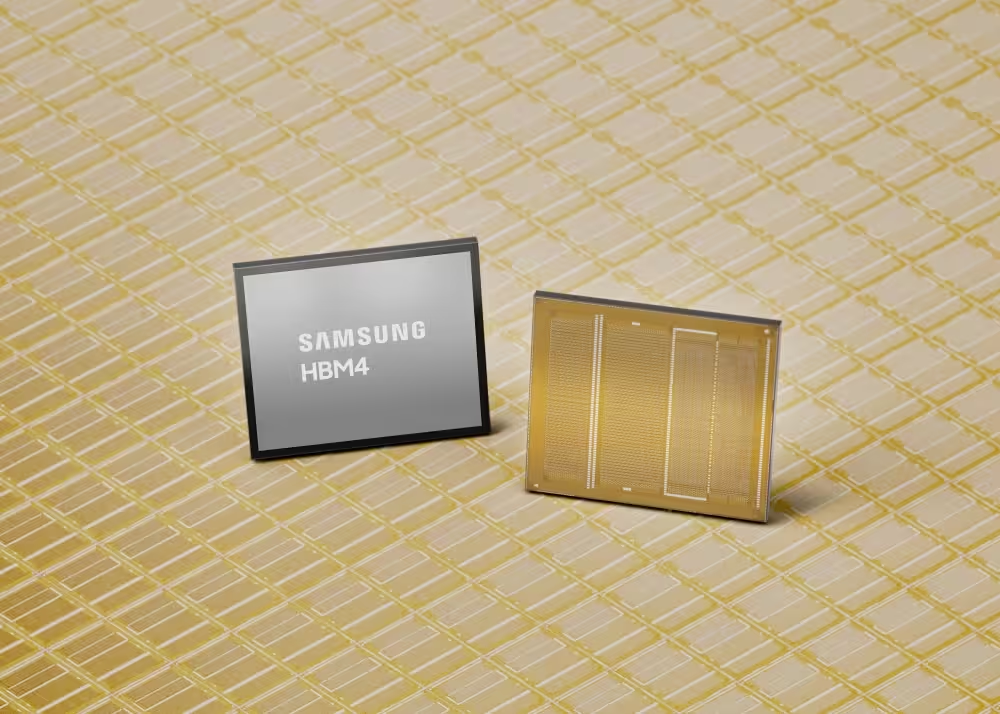
Expect the fight for margins to move into newer architectures: Samsung is already planning to scale HBM4 and higher-capacity DDR5 lines while pushing low-power LPDDR5X for mobile and automotive workloads.
That push matters. The next wave of server designs and edge devices will prize not just raw capacity but energy efficiency and bandwidth per watt — areas where newer HBM and low-power DDR variants can make a measurable difference. Vendors that couple manufacturing scale with product leadership will dictate pricing and share for the foreseeable future.
For industry watchers the takeaway is straightforward: the DRAM market is back to being a tale of premium products and platform demand rather than commodity price wars alone. Samsung reclaimed the crown in Q4, but the crown will sit uneasy if demand shifts or new competitors scale up rapidly.
Keep an eye on HBM4, DDR5 capacity ramps, and LPDDR5X adoption — they’ll tell you who’s building for the AI era, and who’s merely following it.


Leave a Comment
Comments
No comments yet. Be the first.