
2 Minutes
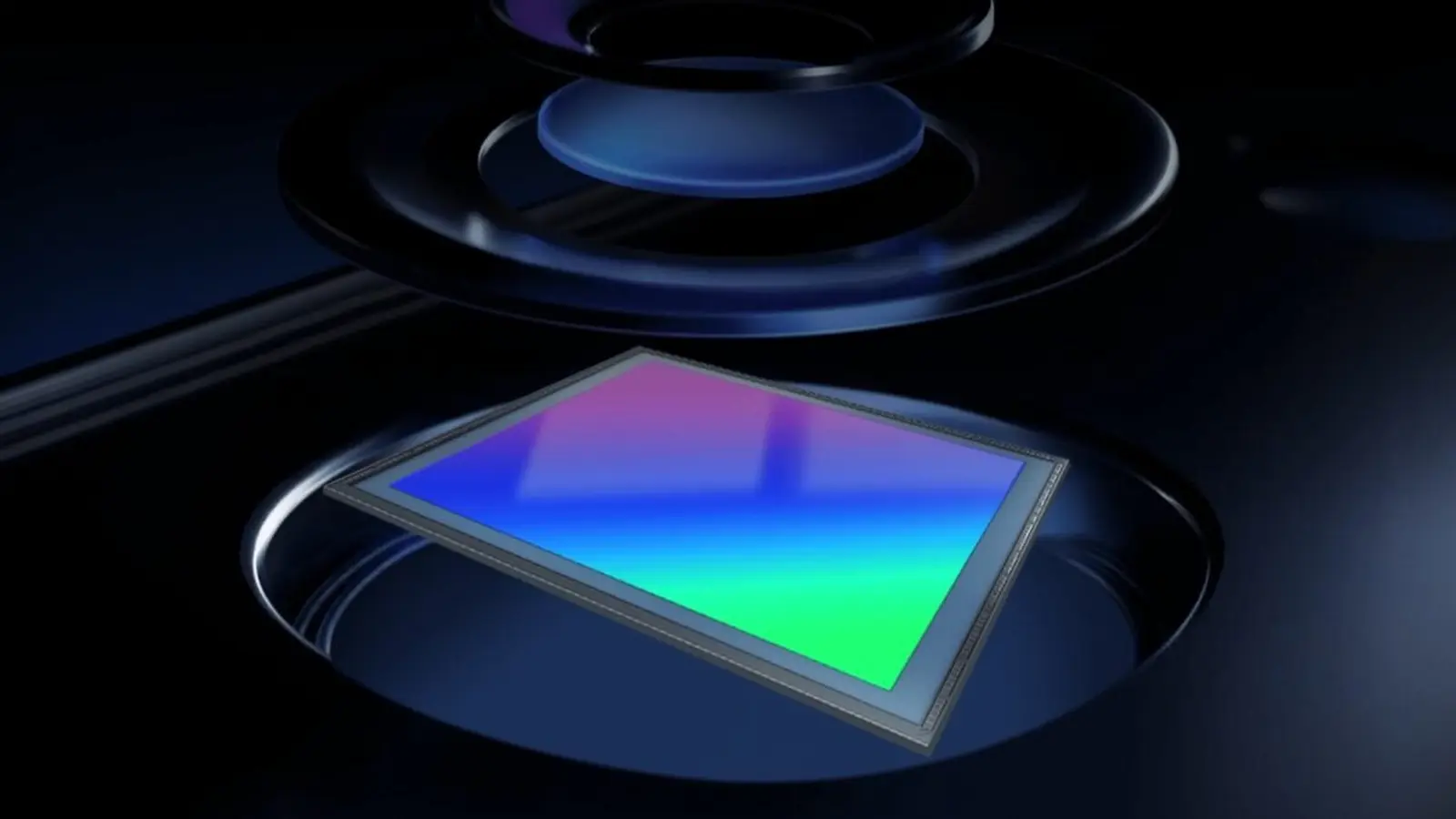
Samsung's newest 200MP mobile camera sensor is already stirring the market. Early leaks suggest Chinese brands like Realme and Vivo are racing to bring the ISOCELL HP5 to flagship and midrange phones—promising big megapixel counts with new pixel-level tricks.
Realme GT 8 Pro and Vivo Y500 Pro tipped to ship HP5 first
Industry whisperers in China say Realme's next flagship, the GT 8 Pro, will adopt Samsung's ISOCELL HP5 sensor and pair it with a periscope telephoto lens for improved zoom. Vivo is reportedly following closely: the upcoming Y500 Pro is also rumored to use the same 200MP module.
That doesn’t guarantee who’ll be first to market, but history shows Chinese OEMs move fast when a new camera sensor lands. Expect more announcements over the coming weeks.
What makes the ISOCELL HP5 different?
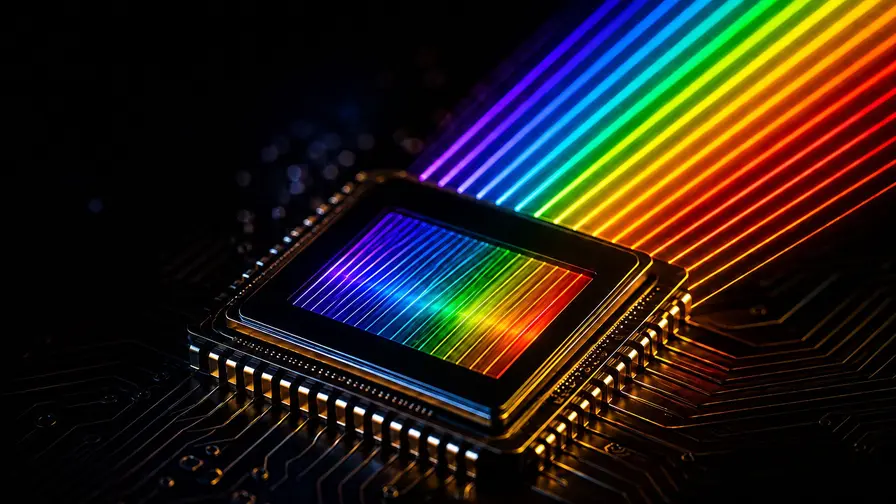
On paper the HP5 looks familiar—200 megapixels—but Samsung packed several hardware tweaks designed to lift real-world image quality despite a smaller sensor footprint:
- Sensor size: 1/1.56-inch, smaller than some previous 200MP modules.
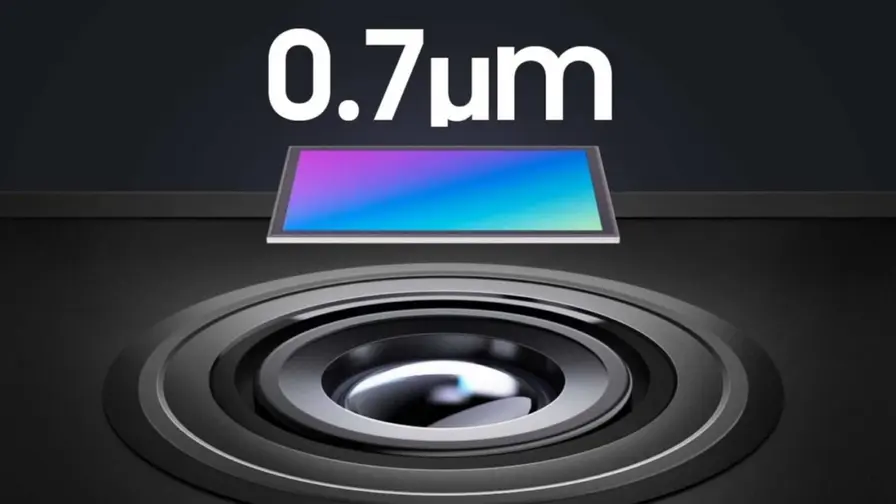
- Pixel pitch: 0.5µm native pixels, relying on advanced processing for final results.
- Dual Vertical Transfer Gate (D-VTG): helps read out pixels faster and cleaner, reducing noise.
- Front Deep Trench Isolation (FDTI): improves pixel isolation and Full Well Capacity, which enhances dynamic range.
Samsung argues these moves compensate for the smaller sensor area, enabling stronger low-light performance and cleaner high-resolution shots—especially when combined with pixel-binning and computational photography.
Why a periscope telephoto matters
Pairing the HP5 with a periscope telephoto lens gives phones a meaningful optical zoom advantage. Periscope modules use folded optics and a prism to squeeze longer focal lengths into thin phone bodies, so a high-resolution main sensor plus a quality periscope setup can produce detailed zoomed images with less reliance on pure digital cropping.
Will higher megapixels equal better photos?
Not automatically. Bigger megapixel numbers attract attention, but image quality depends on sensor size, pixel design, lens optics, and software processing. The HP5’s new features aim to boost pixel capacity and reduce crosstalk, which helps. Still, final output will depend on how manufacturers tune processing and combine the sensor with optics and AI image algorithms.
What to watch next
Expect announcements from Realme and Vivo, plus hands-on reviews once samples reach the press. The real test will be daylight and low-light photo comparisons, zoom performance with periscope lenses, and how final devices balance resolution with noise control.
Which phone ships the HP5 first? We’ll know soon—watch the flagship rollouts and early camera comparisons for definitive answers.


.webp "Redmi 17C 5G: 6.9-inch Screen and 6,000mAh Power Lands")

Leave a Comment
Comments
No comments yet. Be the first.