
2 Minutes
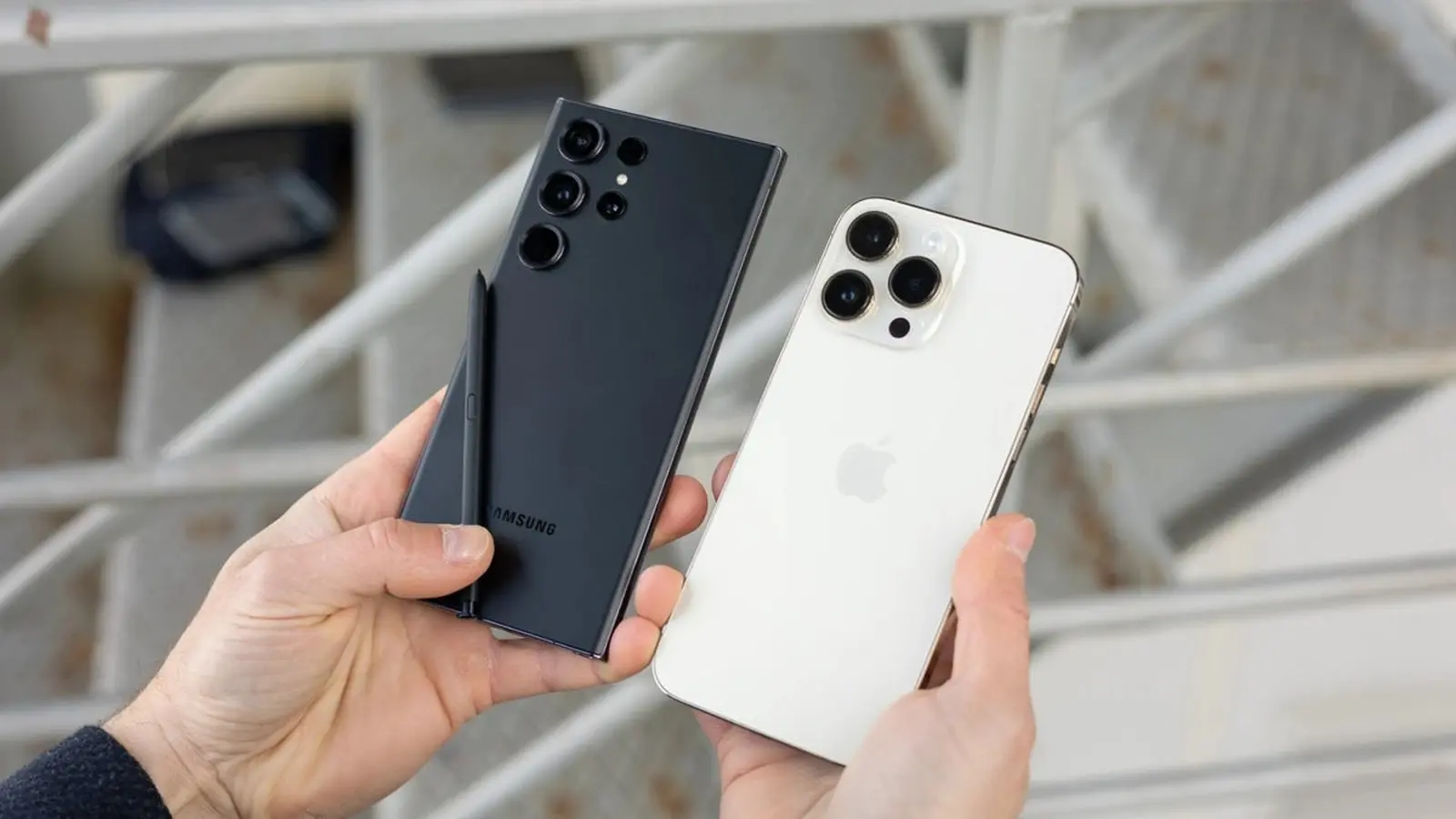
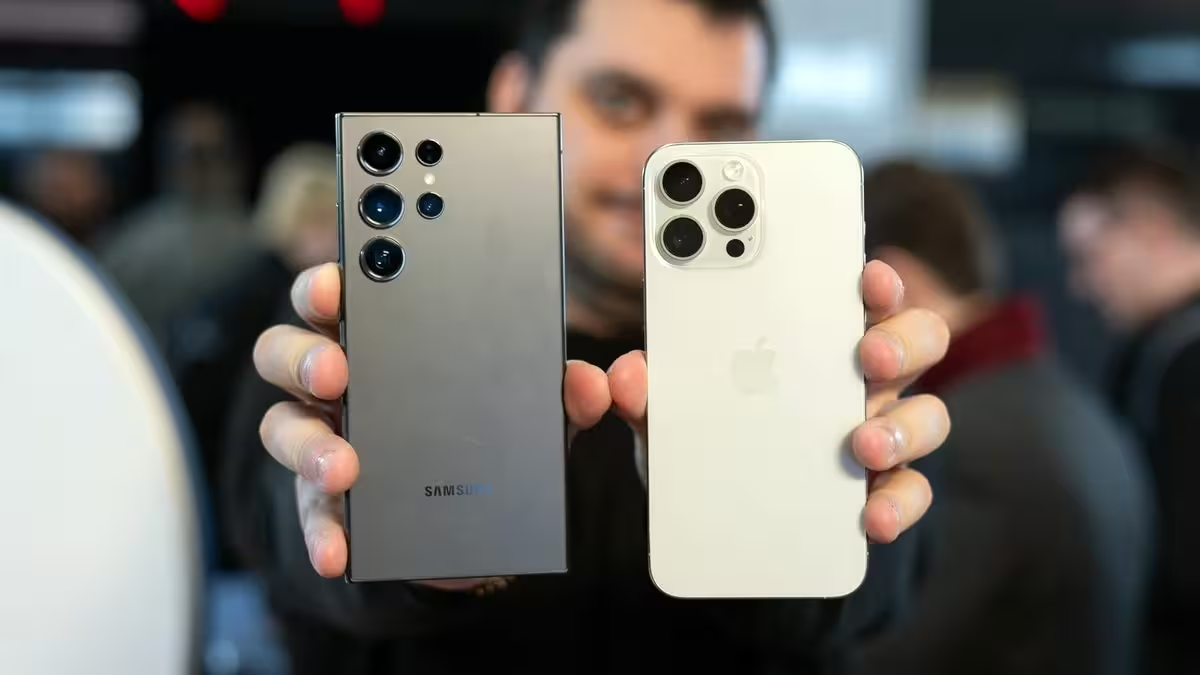
A recent Korea Communications Commission test found Samsung Galaxy handsets transmit emergency location data far faster than iPhones — a difference that could be critical in life-or-death situations.
Speed matters: what the test revealed
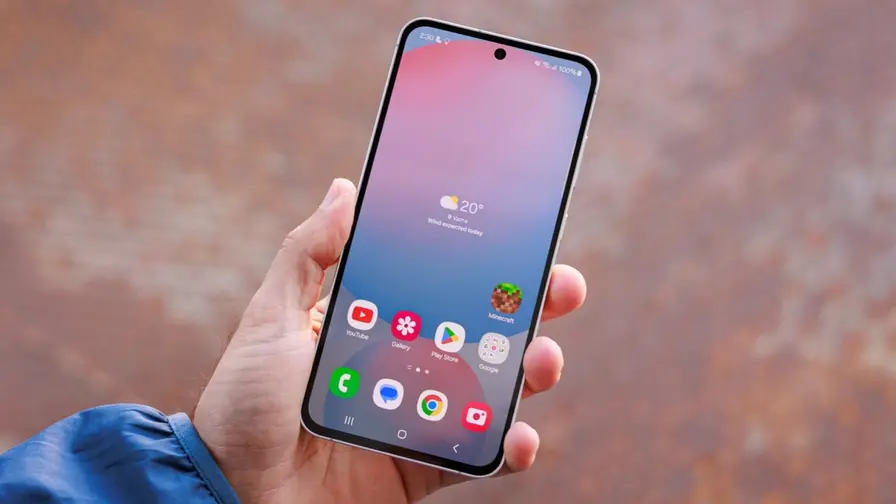
The KCC's 2024 trial measured how quickly devices sent precise location and related data to emergency services. The standout result: Samsung's Galaxy S24 Ultra pushed location info in as little as 1.4 to 2.4 seconds, while iPhones averaged around 20 seconds. In an emergency, that gap is huge.
- Galaxy S24 Ultra: 1.4 to 2.4 seconds to transmit data; location accuracy about 13–25 meters (varied by base station, GPS, or Wi-Fi).
- iPhones: roughly 20 seconds to respond, delivering only limited GPS and Wi-Fi location data.
Why Apple says it's different
Apple relies on its proprietary HELO system and defends the delay as a trade-off between precision and speed. The company also limits emergency location sharing to five minutes after a call, citing concerns about battery drain and potential hacking risks. South Korean authorities reportedly requested Apple adapt its emergency-sharing to local standards, but Apple declined based on its global privacy policy.
A real-world tragedy that brought this into focus
This technical disparity stopped being abstract after a recent stabbing in Seoul. According to local reports, police arrived about 20 minutes after the initial emergency call because they couldn't pinpoint the caller's exact location — the caller had used an iPhone. Three people died in that incident, and critics say faster device reporting could have helped responders act sooner.
So what should users and policymakers take away from this? For users, understanding how your phone shares emergency data could influence choices in critical moments. For regulators, the KCC test raises questions about harmonizing safety features while balancing privacy and global platform policies.
Imagine being able to shave off 15–18 seconds during an emergency. That sounds small on paper, but in the real world it can change outcomes — and these test results are pushing that conversation into the open.





Leave a Comment
Comments (3)
My cousin's an EMT, he says even 10 seconds can change outcomes. If Galaxy truly reports faster, regulators should force a fix, pronto
Is the KCC test robust? Maybe signal or settings caused the delay, or is this strictly Apple's HELO policy? curious but alarmed.
wow, that 15 second gap feels huge... imagine being stuck and waiting, helpless. Apple should rethink this tradeoff, sounds dangerous