
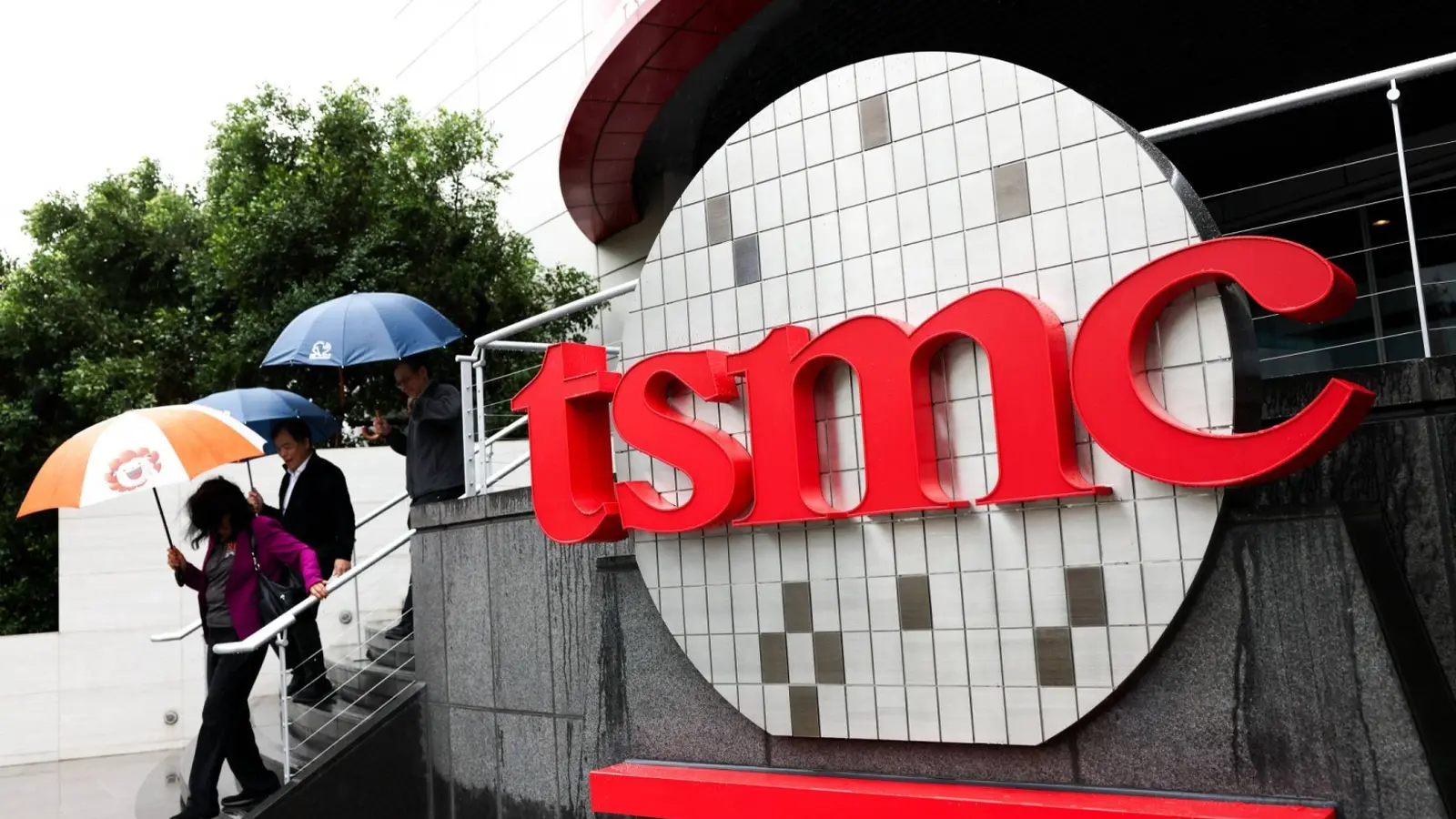

China’s move to tighten export controls on rare earths has sparked alarm across the semiconductor world. New licensing rules could force chipmakers to seek approval before selling products that rely on Chinese-sourced materials — a change that would ripple through AI and consumer tech supply chains.
How a materials rule could choke the chip pipeline
Rare earth elements are small in volume but huge in impact. They’re used in critical stages of chip fabrication and equipment — from polishing wafers to certain lithography processes. Because China supplies roughly 90% of global rare earth production, Beijing’s decision to add tighter export licensing raises the possibility that downstream products, including advanced logic and memory chips, might require government signoff before being shipped abroad.
Under draft language reported by international outlets, many chipmakers could face new export license requirements for products that depend on Chinese materials. If applied broadly, that would give Beijing leverage to limit sales of advanced semiconductors to specific destinations, potentially disrupting deliveries to U.S. firms and slowing capacity expansion worldwide.
Who’s at risk — and who just got a reprieve?
At the center is TSMC, the world’s leading contract foundry that manufactures the most advanced logic chips used by NVIDIA, Apple and others. Memory giants like SK hynix and Samsung could also fall under the new regime. Equipment suppliers such as ASML and Tokyo Electron might face supply-chain complications if parts or materials they rely on are swept into restrictions.
That said, an important update reduced immediate panic: Taiwan’s Ministry of Economic Affairs told Reuters that, for now, the specific rare earths used in semiconductors are not included in Beijing’s new controls. For the AI hardware supply chain, that’s a short-term relief — but only as long as the rules don’t broaden.
Why November 8 matters
The new restrictions are set to take effect by November 8. If implemented as reported, companies that manufacture most chips might have to secure export licenses to ship products anywhere in the world. In practice, that would allow Chinese authorities to block specific shipments or buyers — a geopolitical lever with far-reaching commercial consequences.
What this could mean for AI, phones and PCs
- Supply delays: New licensing procedures would slow cross-border shipments and could limit production ramp-ups for cutting-edge nodes.
- Price pressure: Any restriction on materials or equipment can increase costs for fabs, which may pass on higher prices to customers.
- Strategic decoupling: Buyers might accelerate diversification of material sources and equipment suppliers to reduce reliance on China.
- Tech sovereignty push: Countries and companies could increase investment in domestic rare-earth processing and alternative materials.
Imagine a world where an AI accelerator launch is held up, not by a technical bug, but by a paperwork decision in another capital. That’s the kind of supply-chain fragility rare-earth controls could expose.
What to watch next
Keep an eye on the final text of China’s rules, any clarifications on which rare earths are covered, and whether export licensing will be applied to end products or just raw materials. Also watch responses from Taiwan, South Korea and major OEMs: any moves to source alternatives or stockpile key components will signal how seriously the industry takes a potential long-term shift.
For now, the statement from Taiwan’s economy ministry eases immediate worries, but the episode underscores how tightly global tech depends on a few critical inputs — and how geopolitical decisions can suddenly reshape markets.
Discussion
Leave a Comment
Comments (3)
Feels a bit overhyped, lots of worst case talk. Still, firms should diversify materials and stockpile, just in case. meh
Is this even true? Taiwan says some rare earths excluded for now, but the draft wording is vague... who polices this? seems risky
wait, so a paperwork signoff could stall an AI chip launch? wild... supply chains more fragile than i thought, scary