
3 Minutes
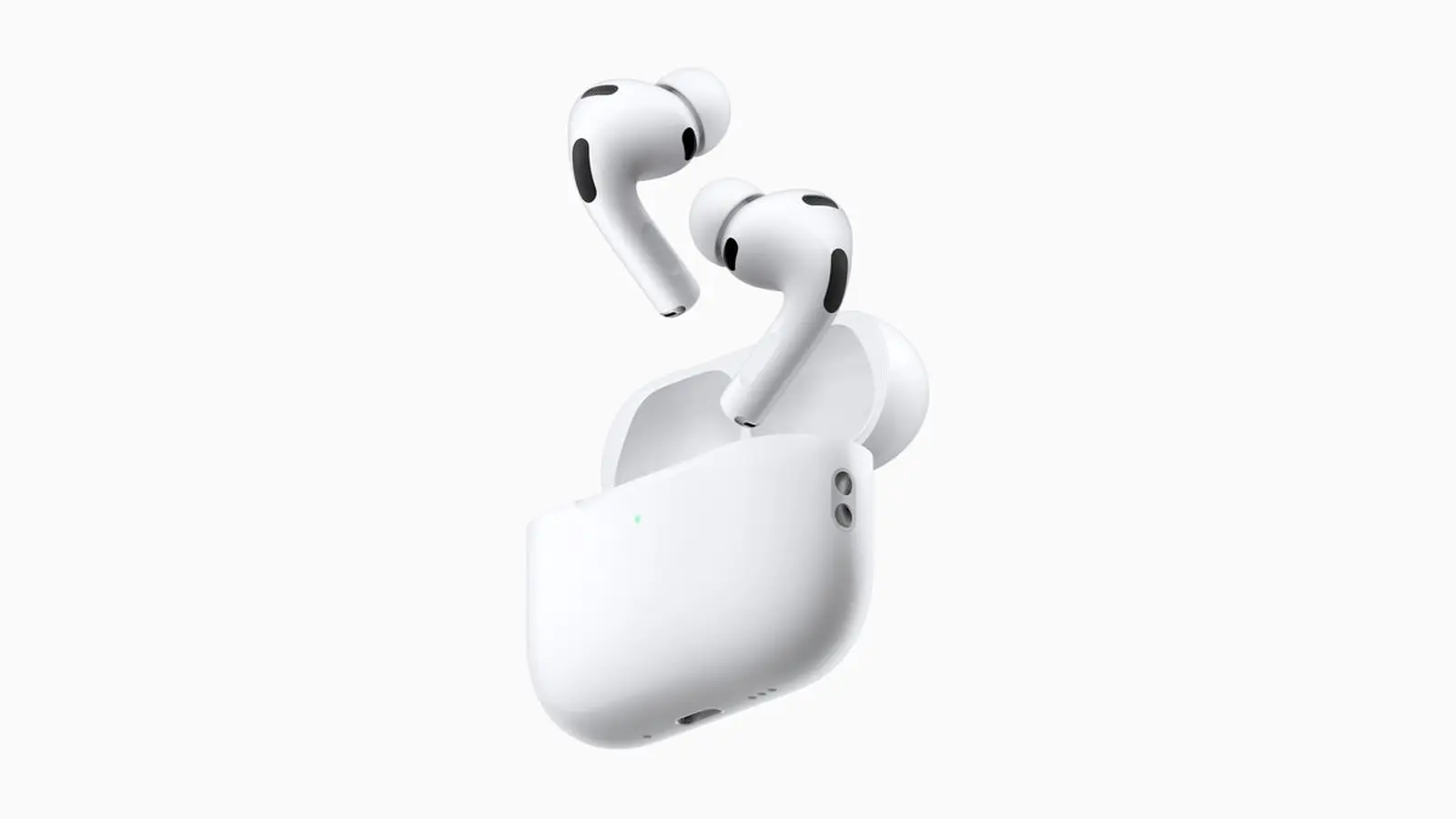
Apple’s audio lineup is no longer just about music and calls. New reporting suggests the company is hard at work on next-generation chips, expanded health sensors and even AI-driven features that could turn AirPods into a central device for personal computing.
What’s next for AirPods: H3 silicon and smarter sensors
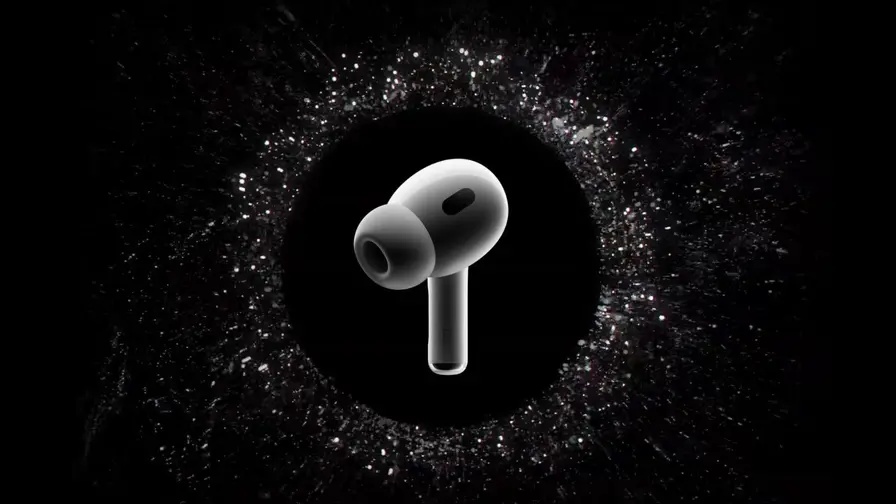
According to Bloomberg’s Mark Gurman, Apple’s silicon team is developing an H3 chip aimed at better audio quality and lower latency. That upgrade would likely benefit everything from spatial audio to gaming. Alongside a refreshed standard model (what many expect to be AirPods 5), Apple is reportedly expanding health-focused capabilities — temperature sensing being one of the features under exploration.
AI ambitions — and the surprising idea of cameras in earbuds
Perhaps the most provocative detail: Apple appears to be positioning AirPods as more than passive accessories. Gurman says the company is pushing to make the earbuds AI-capable, with prototypes even considering tiny cameras embedded in the buds. Imagine hands-free, contextual assistance — translating a menu on the fly, identifying landmarks, or offering step-by-step visual guidance without reaching for your phone.
How would that change the user experience?
It would shift AirPods from a channel for audio to an ambient computing interface. The ear is an ideal site for discreet sensors and a direct conversation line with an on-device assistant. Cameras plus AI could enable real-time scene understanding tied to voice interactions — a step toward the always-on, phone-free future Apple hints at with its vision for wearable ecosystems.

Privacy trade-offs and the social friction of ear-mounted cameras
The idea of cameras in earbuds isn’t likely to be universally popular. Privacy concerns are front and center — both for users wearing camera-equipped AirPods and for people around them. There’s also an awkwardness factor: would social norms adapt to tiny cameras sitting in the ear the way some have with smart glasses?
Apple will face questions about data handling, on-device processing, and clear indicators when video or images are being captured. The company’s tight hardware-software integration could help mitigate risks through local AI processing and strong privacy controls, but public acceptance remains uncertain.
Why this matters for the wearable landscape
Rivals like Google and Samsung are racing to add smarts to earbuds, but Apple’s advantage has often been integration — hardware, OS, and services working together. If successful, AirPods could become a key hub for health monitoring and AI interactions, alongside the Apple Watch. For users in the Apple ecosystem, that makes the earbuds more than an accessory; they become a primary interface for everyday tasks and wellbeing tracking.
Whether consumers will embrace camera-equipped earbuds depends on design, clear benefits, and ironclad privacy protections. For now, the roadmap outlined by reports signals that Apple sees AirPods as central to its future vision of ambient, personal computing rather than merely a way to listen to music.



.webp "Redmi 17C 5G: 6.9-inch Screen and 6,000mAh Power Lands")

Leave a Comment
Comments (2)
Feels overhyped, sensors and chips sound nice but cameras in ears? who asked for that. Apple needs ironclad privacy controls, or ppl will reject em fast.
Wow, tiny cameras in earbuds? wild idea. Love the AI vision but also kinda scary, privacy nightmare if not handled. If on-device only tho maybe ok, still uneasy, curious how they'd show recording indicator